


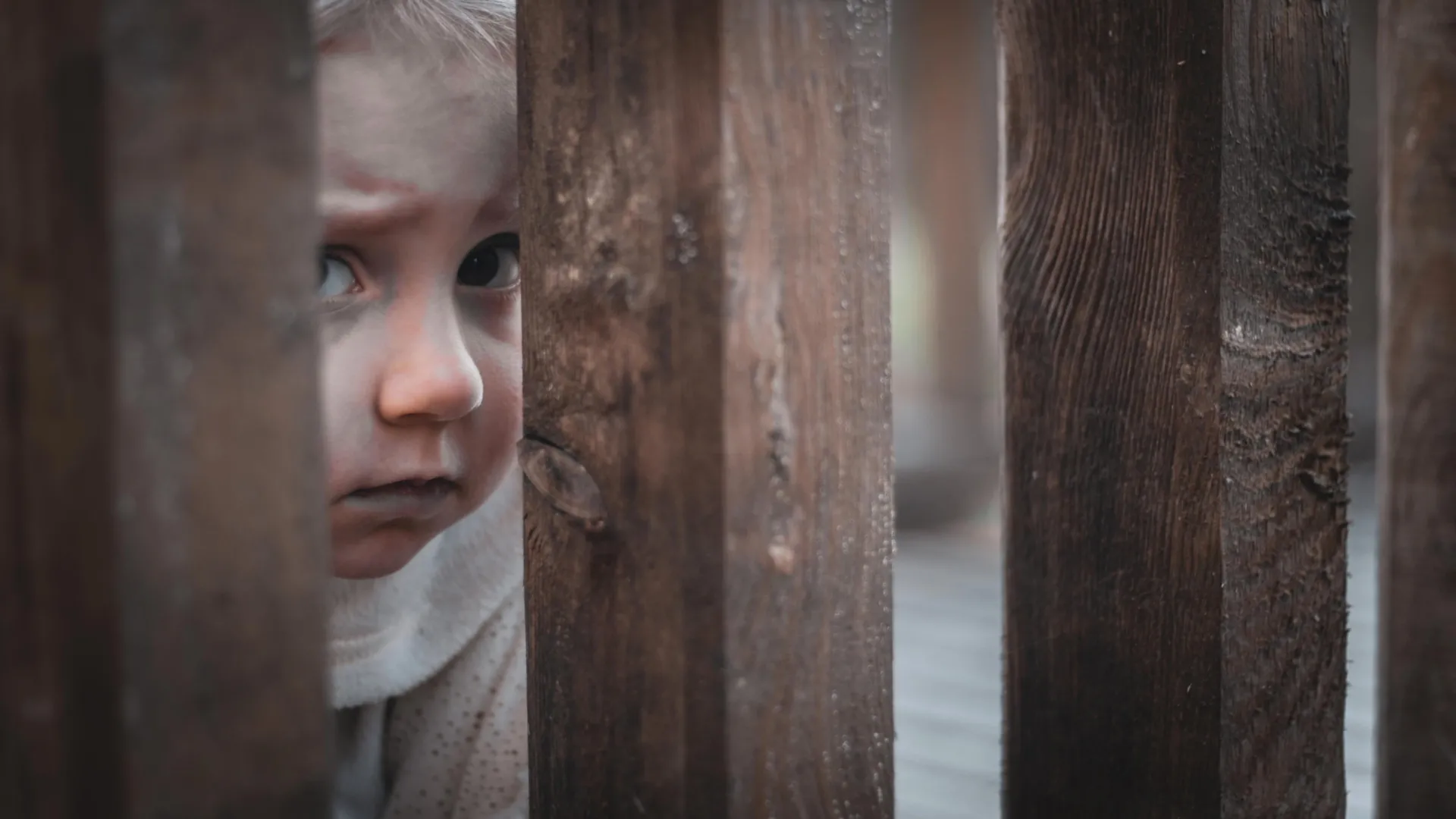
Imagery-based psychotherapy may help reduce the fear of failure linked to painful childhood experiences, according to research from SWPS University and the Nencki Institute of Experimental Biology. The findings, published in Frontiers in Psychology, suggest that therapeutic imagery can reduce the emotional and physiological impact of childhood criticism.
Negative experiences during childhood—including criticism, neglect, and harsh reactions from caregivers—can affect mental health and quality of life well into adulthood. The way adults respond when children make mistakes may be especially important in shaping future beliefs, emotions, and behavior. For some people, these experiences contribute to a fear of failure based on the belief that making mistakes reduces their value in the eyes of others.
Researchers from the Laboratory of Affective Neuroscience at the SWPS University Institute of Psychology in Poznań and the Brain Imaging Laboratory at the Nencki Institute of Experimental Biology in Warsaw investigated whether imagery-based psychotherapy could reduce the lasting effects of painful childhood memories.
Can memory-focused therapy create lasting change?
The randomized controlled clinical trial included 180 adults between the ages of 18 and 35 who experienced a fear of failure. Over two weeks, participants took part in four therapy sessions focused on difficult childhood memories involving criticism.
One group received Imagery Exposure (IE), an active control treatment in which participants recalled situations that had caused fear or anxiety.
The second group received Imagery Rescripting (ImRs), a technique designed to change the way distressing memories are experienced in the imagination. Participants recalled painful events and imagined an “advocate,” such as a therapist, entering the scene to confront the critic and protect or support the child.
The third group received the same imagery rescripting treatment, followed by a 10-minute delay known as ImRs-DSR. Researchers introduced the delay to interfere with the processing of memories connected to important experiences and determine whether it could strengthen the therapy’s effects.
Participants completed questionnaires and interviews, while researchers also measured their physiological responses. Follow-up assessments took place three and six months after treatment.
Imagery therapy reduced fear, guilt, and stress
All of the imagery-based approaches significantly reduced fear of failure, and the effects continued over time. Participants also reported fewer negative emotions, including sadness and guilt.
Their physiological responses changed as well. Participants showed lower levels of bodily stress when recalling critical childhood memories, suggesting that these experiences no longer triggered the same intense emotional reaction. The improvements remained at the three- and six-month follow-ups, indicating that the benefits may be relatively stable.
“This study shows that it is possible to reduce the intensity of negative emotions and arousal associated with memories of childhood criticism. Appropriately selected techniques can influence how these memories are experienced and reduce their burden,” said study co-author Julia Becek, a psychologist at the SWPS University Institute of Psychology’s Laboratory of Affective Neuroscience.
Why surprise may strengthen imagery-based therapy
The researchers found that imagery-based therapy may be especially effective when it creates a moment of surprise. They associated this effect with prediction error—the psychological process that occurs when what a person expects differs from what actually happens.
This unexpected difference may weaken established emotional patterns and help the brain replace painful responses with safer, more adaptive ones.
“We have shown that a key part of image-based therapy is to create a discrepancy between what the patient expects and what is actually happening in the new memory. It is this surprise that paves the way for lasting therapeutic change,” said study co-author Stanisław Karkosz, a cognitive scientist at the Institute of Affective Neuroscience, Faculty of Psychology, SWPS University.
Painful memories are not emotionally fixed
The findings suggest that imagery-based psychotherapy may help people create new, safer endings to painful past experiences and change how they respond to challenges in the present.
The study also indicates that difficult memories, including those associated with failure and childhood criticism, do not have to trigger the same emotional response forever. Julia Bunczek emphasized that past experiences are not necessarily fixed or unchangeable and may be processed in different ways over time.
Source: www.sciencedaily.com