


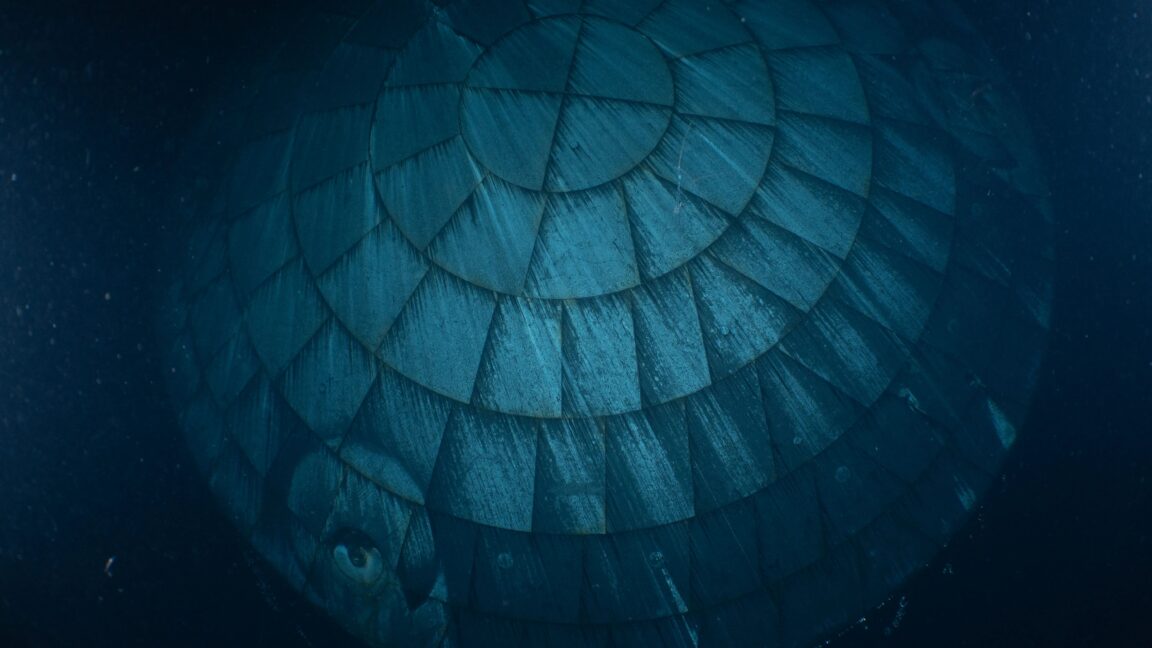
NASA’s Orion spacecraft heat shield contains 186 individually installed blocks made from a material called Avcoat. Together, these blocks form a protective barrier designed to shield Orion from the extreme temperatures generated during atmospheric reentry. However, an analysis conducted after the Artemis I mission found that the Avcoat was effectively “impermeable,” preventing gases from escaping. During reentry, trapped gas contributed to the formation of a crack in the heat shield.
NASA considered several potential solutions, including replacing the heat shield with a new version made from more transparent Avcoat. Instead, the agency chose to modify Orion’s reentry trajectory for Artemis II. The spacecraft will enter Earth’s atmosphere at a steeper angle, reducing the amount of time it spends in the conditions that caused gas buildup during Artemis I.
The revised Artemis II reentry profile has largely addressed the heat shield issue, but it also comes with trade-offs. Hill said the new trajectory reduces Orion’s “downrange” capability from 4,800 nautical miles to 1,775 nautical miles. Downrange capability refers to the distance a spacecraft can travel across Earth’s surface from the point where it enters the atmosphere.
A greater downrange range would give NASA more flexibility when selecting a splashdown location, particularly if weather conditions change. It would also provide mission planners with more options for designing return trajectories from the Moon.
For Artemis III and later missions, NASA plans to use a more transparent form of Avcoat. The updated material should allow gases to escape during reentry without compromising Orion’s protective char layer, restoring much of the spacecraft’s downrange capability, Hill said.
Safety panel praises NASA’s leadership on the Orion heat shield
Near the end of Monday’s safety committee meeting, several members shared notable observations about their experiences working with NASA this year. Their comments stood out to anyone who has followed meetings of the Aerospace Safety Advisory Board, an organization that operates independently of NASA and is responsible for identifying potential safety concerns.
Source: arstechnica.com