


How Coral Cilia Help Reefs Breathe—and Why Heat Makes Them Vulnerable
Tiny hair-like structures on coral colonies stir oxygen-rich seawater, challenging scientists’ understanding of the boundary layer and offering new clues about coral bleaching.
Coral Cilia Create Oxygen-Rich Water Flow
All coral colonies are surrounded by a thin boundary layer of water. Because friction slows water movement along the coral’s surface, researchers once believed corals were largely passive in this zone, relying on natural diffusion to receive nutrients and oxygen.
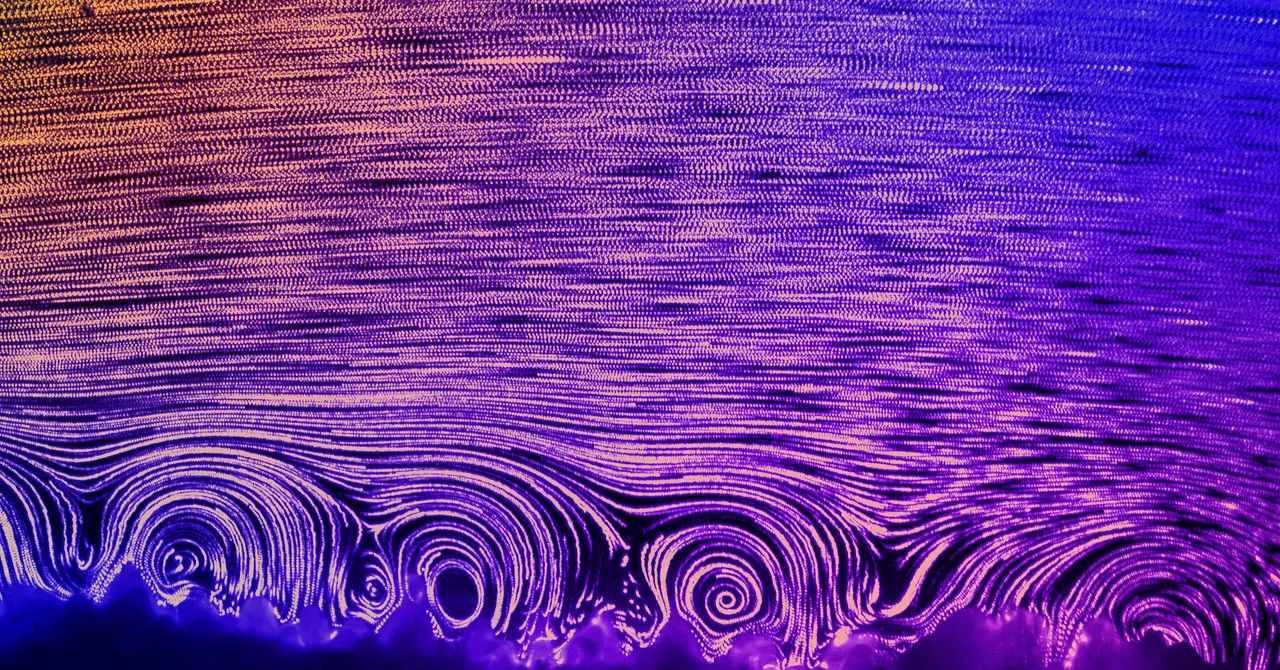
That view changed in 2014, when a team from the Massachusetts Institute of Technology and the Weizmann School of Science announced groundbreaking research. The study showed that coral cilia move rapidly and interact with the boundary layer, creating tiny eddies that draw in fresh, oxygen-rich seawater.
Until then, scientists had thought coral cilia were little more than brooms, moving mucus and sweeping away waste and debris. The research modeled the tiny vortices produced by cilia and revealed how important they are to coral survival and metabolism.
A Paradigm Shift in Coral Biology
Orr Shapiro, a microbiologist and environmental engineer who led the 2014 study as a postdoctoral fellow at MIT, was initially interested in how disease-causing microorganisms that infect corals follow concentration gradients—a process known as chemotaxis.
Under the microscope, Shapiro noticed something unexpected: particles in the boundary layer were swirling and mixing. The movement did not resemble the passive diffusion he had anticipated.
“I think that was kind of a paradigm shift for me, and later for the whole field,” said Shapiro, now a researcher at the Volcano Institute in Israel.
The discovery showed that the boundary layer is not static. Instead, it is a dynamic zone where cilia create their own turbulence. This realization led Shapiro’s team to study how cilia-driven flow moves oxygen into coral tissue.
“It really changed the way we understand this,” Shapiro said, explaining that the movement of water and mixing made the spread of oxygen less important than previously thought.
Why Cilia Matter for Coral Oxygen Supply
Diffusion is the default way nutrients move through water, but it is extremely slow. Oxygen can take up to four minutes to travel just one millimeter. That is why the faster currents produced by coral cilia are so important.
Water flowing naturally over a coral colony slows near its surface, while the coral can consume oxygen faster than diffusion can replace it. By stirring the boundary layer, cilia help provide enough oxygen to support coral tissue, even though moving them requires energy.
How Rising Temperatures Put Corals at Risk
The system has a major limitation: as water temperature rises, the amount of oxygen available decreases. This is when corals begin to face serious trouble.
Scientists now have a clearer understanding of coral bleaching, one of the consequences of water becoming too warm. As temperatures rise, corals’ symbiotic algae become stressed and release large amounts of molecules that are toxic to the coral.
To protect themselves, corals expel the algae that provide their main source of food, energy and oxygen. The corals then quickly lose their color. This process can lead to a slow death, and it is becoming increasingly common as marine heat waves affect coral reefs around the world.
Why Some Corals Bleach While Others Die Differently
Not every coral on a reef bleaches. Some heat-stressed corals may die without expelling their symbiotic algae.
To understand why, an international team of microbiologists, engineers and physiologists set out to study how heat affects coral cilia—and whether changes in cilia-driven water flow could help explain why different types of coral respond differently to warming.
Source: www.wired.com