


Schistosoma mansoni is a parasitic organism that penetrates the skin, affecting millions globally. Unlike typical bacterial infections that lead to pain and inflammation, S. mansoni often goes unnoticed and seldom causes discomfort, prompting scientists to explore why our skin’s defenses do not respond more vigorously to this intruder.
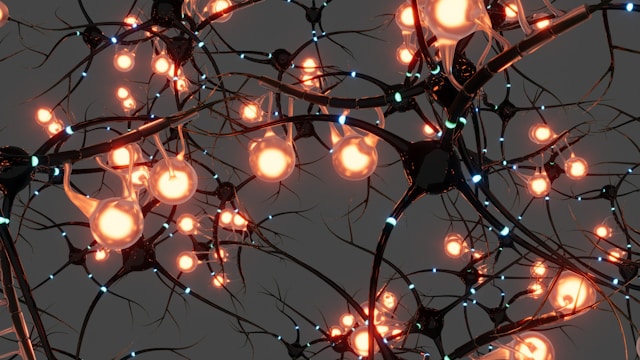
Researchers from the University of Pennsylvania and Tulane University have identified a specific group of pain-sensing neurons, TRPV1+, that plays a crucial role in detecting and repelling S. mansoni during its invasion. TRPV1+ neurons, located in the skin, react to heat, spicy foods, and certain microbial agents. Upon activation, they release molecules that trigger pain and alert the immune system. Previous studies have established that these neurons provide protection against bacterial and fungal infections; however, their effectiveness against parasites remained unclear.
To investigate how S. mansoni infects hosts, the researchers conducted experiments using groups of four to eight age- and gender-matched mice. Each experiment was replicated two to three times to ensure reliable data. The mice were anesthetized, and their ears were exposed to a 100% solution of 150 live S. mansoni larvae. Vaseline was applied to secure the solution. After 20 to 30 minutes, the remaining larvae in the mice’s ears were counted to assess penetration efficacy.
The research team subsequently measured the pain sensitivity of the parasitized mice by placing them in a controlled environment and applying infrared heat to their feet. They recorded the time taken for each mouse to withdraw its paw as an indicator of pain response. The test was repeated three times per paw, with a minimum 5-minute interval between measurements, and an average withdrawal time was calculated. They discovered that infected mice exhibited diminished sensitivity, suggesting that the parasite may inhibit TRPV1+ neurons.
To further explore this phenomenon, the researchers isolated sensory nerve cells from the mice’s skin, specifically from the dorsal root ganglion, and cultivated them in the laboratory. They then exposed these neurons to capsaicin, the active compound in chili peppers, measuring calcium influx as an indicator of neuronal activity using special dyes. They observed that 68% of neurons from uninfected mice reacted to capsaicin, whereas only 26% of neurons from infected mice did, confirming that S. mansoni diminished sensory neuron responsiveness.
To determine if restoring neuronal activity could enhance resistance to parasitic invasion, the researchers genetically engineered mice to express a light-sensitive protein in their TRPV1+ neurons, known as Channelrhodopsin. They activated these neurons using blue light for 30 minutes daily over five days prior to infection. After six days, the mice’s immune responses were measured by counting immune cells in ear tissue samples and assessing the extent of larval spread in lung samples. Mice with activated TRPV1+ neurons demonstrated nearly double the immune response, blocked approximately twice as many larvae on their skin, and displayed about 20% fewer parasites in their lungs.
In another experiment, the researchers applied esiniferatoxin to selectively destroy TRPV1+ neurons in a new set of mice. After three weeks, they confirmed the treatment’s efficacy by testing the mice’s pain sensitivity through thermal analysis. Upon verifying the loss of pain sensitivity, the mice were re-exposed to the parasite. The results indicated that these reinfected mice exhibited a 1-3% weaker skin immune response and harbored approximately 25-30% more parasites in their lungs compared to the control group, further affirming the protective role of TRPV1+ neurons during early infection.
The research team concluded that S. mansoni has evolved mechanisms to inhibit pain-sensing neurons like TRPV1+. Their findings imply that enhancing skin immunity against parasites may be achievable by targeting sensory neurons. This could lead to the development of topical treatments that activate these neurons, empowering our bodies to effectively combat S. mansoni and similar parasitic threats.
Post views:
43
Source: sciworthy.com