


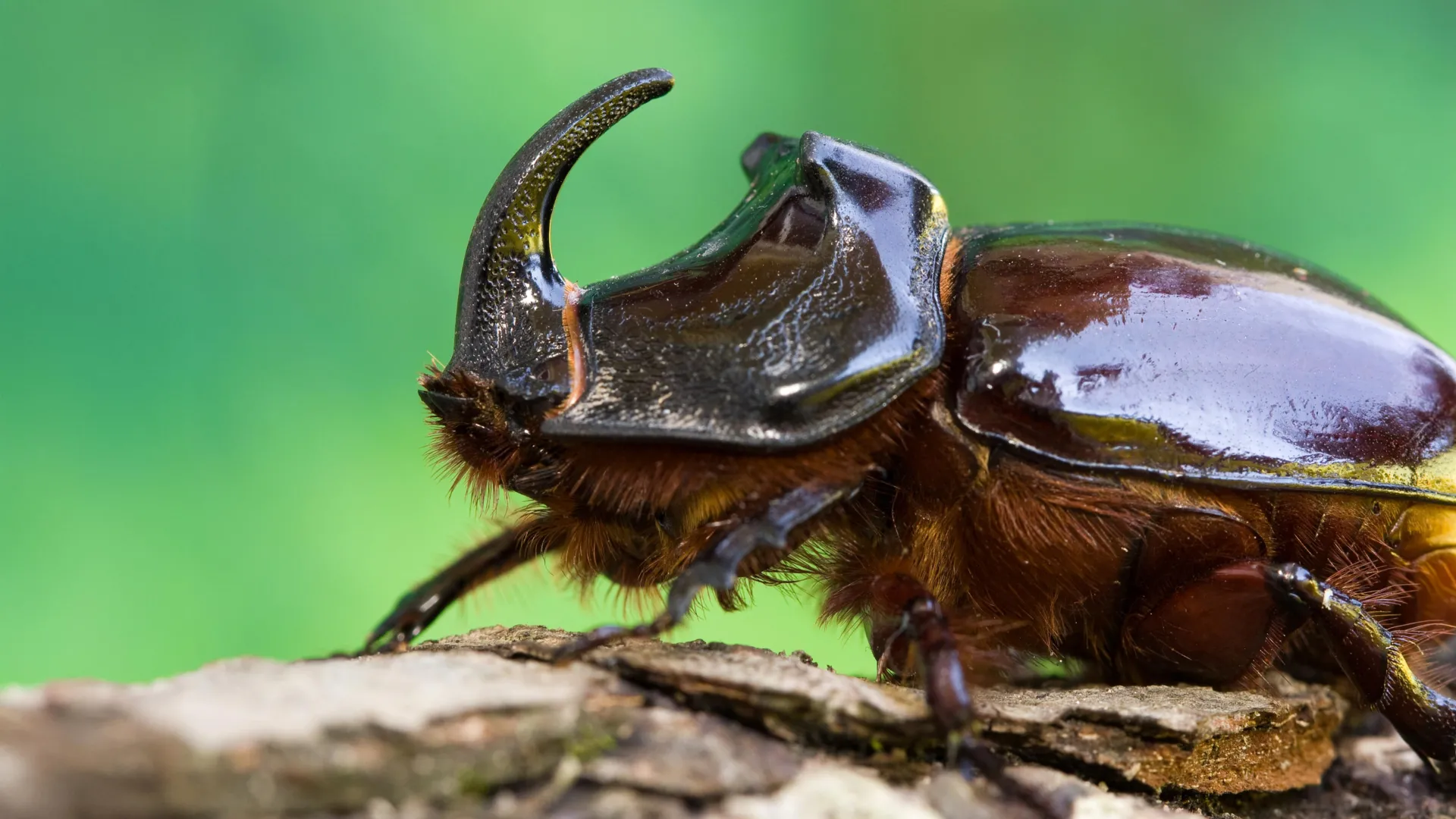
Monash University scientists have proposed a global strategy to strengthen tropical insect conservation and address major gaps in biodiversity protection. Insects are essential for healthy ecosystems, agriculture, pollination, and food security, yet conservation programs across the tropics often overlook them.
The international study was led by Dr Shawan Chaudhry, Head of the Global Change Ecology Laboratory in the Faculty of Biological Sciences at Monash University. Published in BioScience, the research brought together tropical ecology experts from around the world to identify the main barriers to insect conservation and recommend practical solutions.
Most of the world’s insect diversity is found in the tropics
Insects are the most diverse group of animals on Earth. Scientists estimate that between 14 million and 30 million insect species exist worldwide, although most have not yet been formally identified or documented.
Their ecological importance is enormous. Insects pollinate more than 80 percent of wild plant species and provide food for approximately 60 percent of bird species. They also support food webs, nutrient cycling, agriculture, and global food production.
Despite growing evidence of widespread insect declines, much of the scientific research informing conservation policy comes from temperate regions. These areas contain only about 20 percent of the world’s insect diversity.
Dr Chaudhry said this geographic imbalance creates a serious risk that conservation programs will fail to protect the places where most insect species live.
“More than 80 per cent of insect species live in the tropics, and this is where we have the biggest gaps in our knowledge,” Dr Chaudhry said.
“If we don’t know what species are present, where populations are changing, or where valuable existing knowledge can be found, we cannot effectively conserve them.
“Insects are fundamental to functioning ecosystems and food production, yet they remain dramatically underrepresented in biodiversity monitoring, protected areas, and conservation policy.”
Four major barriers to tropical insect conservation
The research team identified four key challenges limiting tropical insect conservation: limited awareness of existing research, severe biodiversity data gaps, inadequate scientific infrastructure, and insufficient conservation action.
To overcome these challenges, the proposed framework recommends using a wider range of information sources. These include traditional scientific studies, regional and non-English publications, museum collections, Indigenous and local knowledge, citizen science projects, social media observations, and emerging technologies.
The researchers also emphasize the need to strengthen local scientific capacity and ensure that reliable evidence reaches policymakers and directly informs conservation decisions.
The imbalance in available biodiversity records is substantial. Although tropical regions contain most of the world’s insect diversity, almost 26 per cent of insect distribution data held by the Global Biodiversity Information Facility comes from the United Kingdom alone.
“Some of the information we urgently need already exists, but it may be published in local magazines, held in collections, or contained in photographs shared online,” Dr Chaudhry said.
“The solution is not simply to collect more data. We need to improve how we discover, connect, and use existing knowledge while building the local expertise and infrastructure required for long-term insect monitoring.”
Bangladesh highlights conservation challenges and opportunities
The researchers used Bangladesh to demonstrate how the framework could be applied in practice. As one of the world’s most densely populated tropical countries, Bangladesh provides a valuable example of both the challenges facing insect conservation and the opportunities to improve biodiversity protection.
The team identified 111 relevant studies on butterflies in Bangladesh, but only 34 were published in international journals.
Nearly two-thirds of the studies examined where butterfly species occurred, while only three specifically focused on conservation.
Social media has also emerged as an important source of biodiversity information. Initial research found that Facebook contained records of 167 of Bangladesh’s 169 endangered butterfly species.
This discovery suggests that non-traditional data sources could help fill major information gaps, particularly in countries where formal biodiversity databases remain limited.
Bangladesh also demonstrates the urgent need to convert biodiversity information into practical conservation action. Of the 226 butterfly species assessed in earlier research, only one was adequately represented within the country’s existing protected-area network.
“Bangladesh shows that limited traditional data does not mean we have to accept limited conservation action,” Dr Chaudhry said.
“By combining local knowledge, citizen science, social media records, scientific monitoring, and regional expertise, we can develop a clearer understanding of where species occur and where conservation efforts are most urgently needed.”
Moving beyond “parachute science”
The researchers also say international conservation research must move away from the “parachute science” model. Under this approach, scientists and communities in tropical countries are often treated mainly as sources of data rather than as equal partners in research and conservation.
Instead, the proposed framework supports locally led research, greater investment in local museums and scientific infrastructure, stronger taxonomic expertise, long-term biodiversity monitoring, more equitable international partnerships, and closer collaboration between scientists and decision-makers.
“If we want global biodiversity targets to have any meaning, tropical insects cannot be left on the back burner,” Dr Chaudhry said.
“This is about moving from documenting problems to building systems that deliver measurable conservation outcomes, with local scientists and communities at the center.
“The tropics are home to most of the world’s insect diversity. Protecting this extraordinary diversity is not only about insect conservation; it is fundamental to healthy ecosystems, food security, and human well-being.”
The study, “A Framework for the Strategic Conservation of Tropical Insects,” involved researchers from Australia, Bangladesh, Uganda, Hong Kong, Brazil, the Czech Republic, Italy, and India.
Source: www.sciencedaily.com