


Pediatricians Defend Vaccines and Pasteurization as Public Health Misinformation Spreads
While many doctors are advancing modern medicine—from powerful obesity drugs to groundbreaking cancer treatments—pediatricians are being forced to defend hard-won child-health advances developed over decades.
With anti-vaccination advocate Robert F. Kennedy Jr. serving as Secretary of Health, the American Academy of Pediatrics (AAP) has spent significant time and resources defending lifesaving vaccines. Routine childhood vaccinations have saved millions of lives and prevented untold suffering and disability.
Texas Investigation Targets Pediatricians Who Vaccinate Children
This week, The New York Times reported that Texas Attorney General Ken Paxton had announced an aggressive investigation into financial incentives allegedly connected to pediatricians who vaccinate their patients.
Paxton has falsely claimed that vaccination is part of a “multi-level, multi-industry plan.” Critics say his campaign against vaccines may be aimed at gaining support from Kennedy, President Trump, and their allies as he runs for the U.S. Senate.
AAP Reaffirms Warning About Raw Milk
The AAP is also renewing its decades-long position on the risks of unpasteurized dairy products, commonly known as raw milk. The organization has published guidance on raw dairy risks for children and pregnant people, along with a policy statement on unpasteurized milk and milk products.
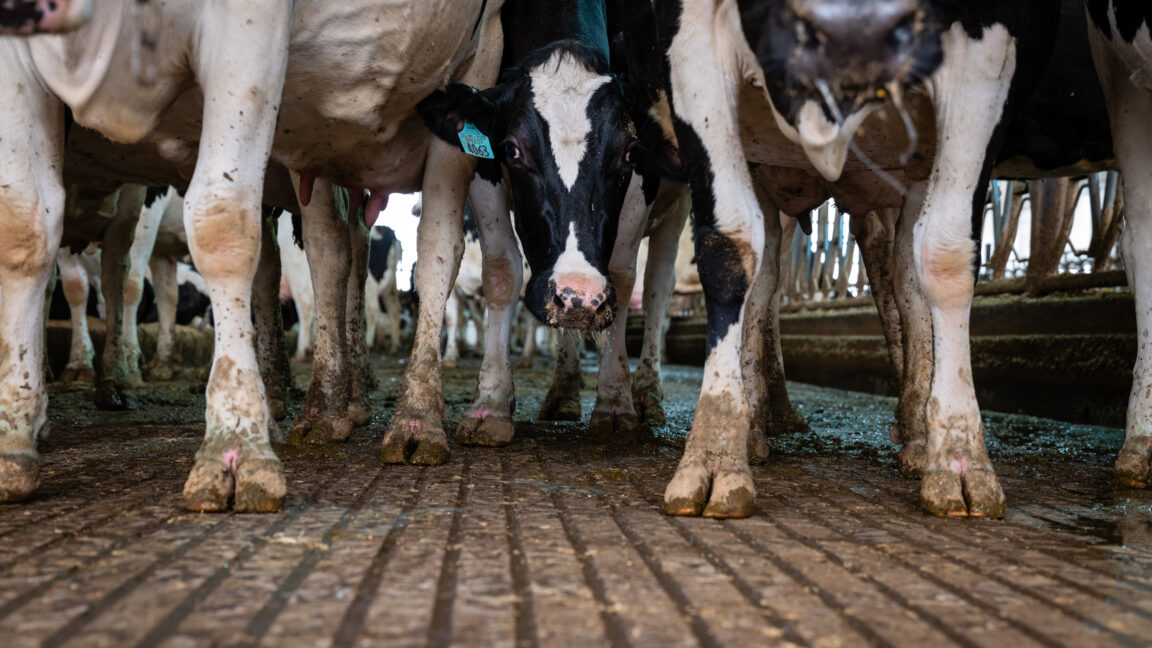
Since the early 20th century, US dairy producers have heated milk through pasteurization to kill dangerous pathogens that naturally live in and around cows and can transfer to milk. This simple intervention produced a remarkable reduction in deaths, including a sharp decline in infant deaths and illness.
Raw Milk Outbreaks Put Children at Particular Risk
As with vaccines, misinformation is eroding public trust in pasteurization and other public-health measures. Kennedy is among the advocates associated with efforts to reverse or question these long-established protections.
In recent years, state laws have loosened restrictions on raw milk, despite the federal ban on interstate commerce. At least 27 states currently allow raw milk sales.
The AAP emphasizes that raw-milk outbreaks have increased over the past 20 years. Nearly half of the illnesses associated with these outbreaks occur in children, who are particularly vulnerable to foodborne pathogens.
Source: arstechnica.com