


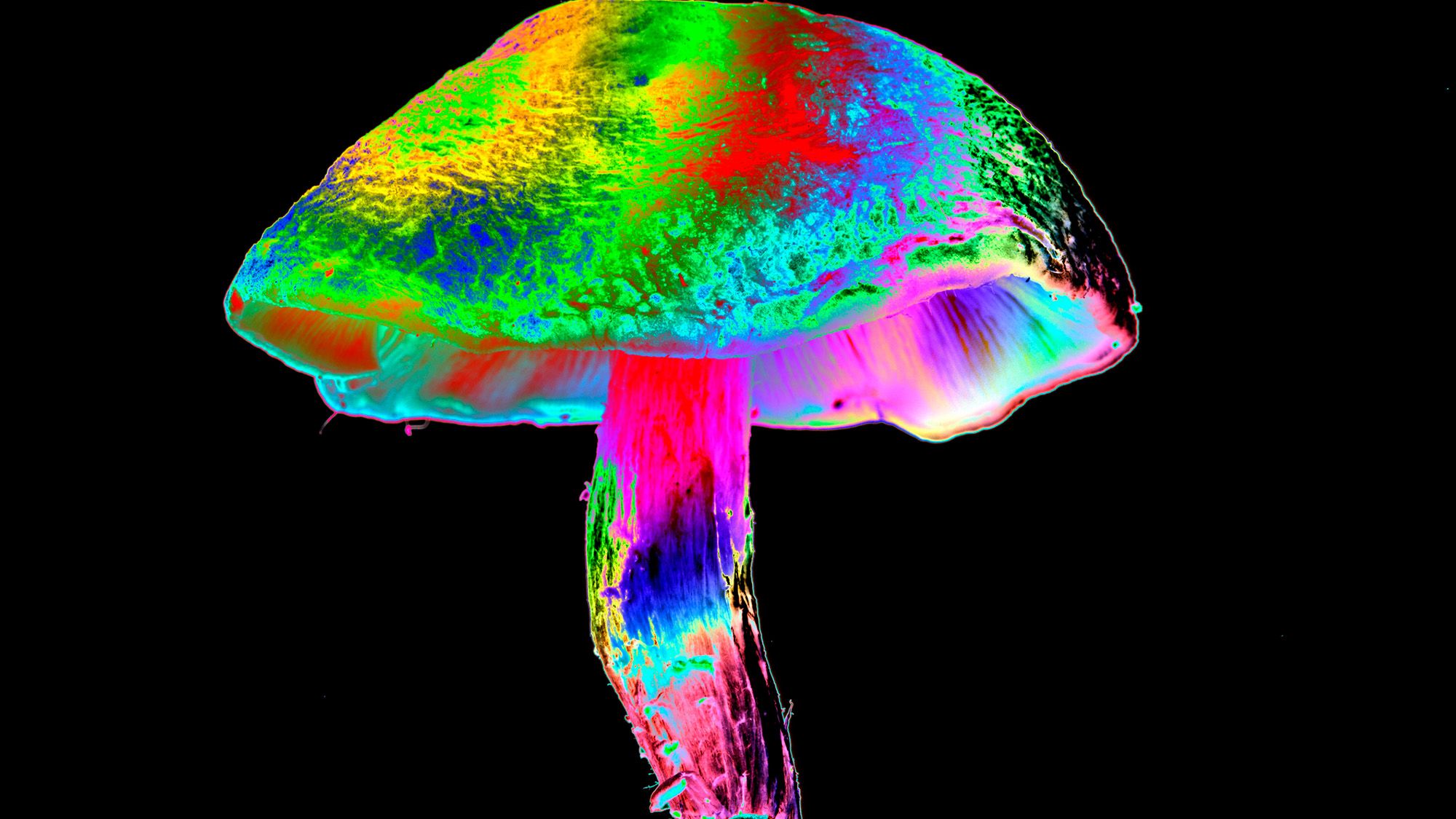
Psilocybin May Help Prevent Chemotherapy-Induced Peripheral Neuropathy
Chemotherapy can save lives, but it may also cause painful nerve damage. Burning, tingling, numbness and extreme sensitivity to cold or touch are common symptoms of chemotherapy-induced peripheral neuropathy (CIPN). New research suggests that psilocybin, the psychedelic compound found in “magic mushrooms,” may help protect nerve cells from this serious chemotherapy side effect.
The mouse study, published September 3 in the journal Science, found that psilocybin prevented nerve damage caused by the chemotherapy drug cisplatin. The researchers believe the compound may work by helping mitochondria deliver energy to distant parts of nerve cells.
In experiments on mice, two doses of psilocybin administered before chemotherapy prevented symptoms of CIPN. The protective effect continued through as many as six chemotherapy treatments, reducing hypersensitivity and preserving nerve endings in the skin.
From the latest videosLive Science
CIPN affects approximately one-third to one-half of people who receive certain chemotherapy treatments. In severe cases, nerve damage can force doctors to lower the chemotherapy dose or stop treatment altogether. It may also interfere with walking and balance, increasing the risk of falls and fractures.
“This is a big problem,” said Dr. Thomas Strouse, a professor of clinical psychiatry and neuropathy researcher at UCLA who was not involved in the study. Researchers have been searching for reliable ways to prevent chemotherapy-related nerve damage for years.
Psilocybin May Help Keep Nerve Cells Fueled
The researchers were not initially searching for a treatment for CIPN. According to study co-author Dr. Moran Amit, a cancer surgeon and researcher at the University of Texas MD Anderson Cancer Center, the team was studying whether compounds that promote neuroplasticity could protect nerve cells and improve cancer treatment outcomes.
After testing several psychedelic compounds, the researchers focused on psilocybin because it showed the strongest potential for easing neurological symptoms. Psychedelics are also being investigated for conditions such as depression, where they may increase communication between brain regions.
To study how psilocybin might prevent chemotherapy-induced peripheral neuropathy, the scientists treated mice with cisplatin, a chemotherapy drug known to frequently cause nerve damage. The animals received psilocybin nine days and two days before their first chemotherapy session.
The two doses completely prevented chemotherapy-related hypersensitivity in the mice. Psilocybin also reduced cold sensitivity and helped preserve nerve endings in the skin.
The team then examined human sensory neurons and peripheral nerve tissue removed during surgery. These experiments pointed to a possible mechanism involving mitochondrial transport.
How Mitochondrial Transport Protects Nerve Cells
Mitochondria are the structures that produce much of the energy cells need. Nerve cells present a special challenge because some peripheral nerves extend over long distances. Their mitochondria must travel along microscopic structures called microtubules to reach the nerve endings.
Amit compared the microtubules to a railway system. Chemotherapy can damage both the mitochondria and the cellular “tracks” that transport them.
In the human-cell experiments, cisplatin reduced mitochondria and levels of adenosine triphosphate (ATP), the cell’s primary energy currency, in the long extensions of nerve cells. Psilocybin did not restore the mitochondria’s overall energy-producing capacity. Instead, it helped preserve their ability to move through neurites, the slender projections that extend from nerve cells, while maintaining normal ATP levels in those areas.
The findings suggest that psilocybin may help nerve cells keep energy supplies in the locations where they are needed most.
This protective effect depended on the serotonin receptor 5-HT2A, which is also responsible for many of psilocybin’s psychedelic effects. Another compound, called TBG, was designed to activate 5-HT2A without causing hallucinations. It also protected mice from chemotherapy-related nerve damage.
However, Amit cautioned that researchers do not yet know whether psilocybin’s psychedelic effects should be avoided in humans. Those effects could potentially contribute to the compound’s neuroprotective activity, although this remains unproven.
Chemotherapy can cause a wide range of side effects, including peripheral nerve damage.
(Image credit: Fly View Productions, Getty Images)
The Research Is Still Far From Patient Treatment
Strouse noted that mitochondrial damage is already recognized as one contributor to chemotherapy-induced peripheral neuropathy. The new study’s key contribution is its investigation of psilocybin as a possible preventive treatment.
Still, different chemotherapy drugs can damage the nervous system through different biological pathways. As a result, the protective effects seen with cisplatin may not apply to every chemotherapy medication.
Most importantly, researchers have not yet demonstrated that psilocybin can prevent chemotherapy-related nerve damage in humans.
“This condition has never been tested in humans in a particularly systematic way,” Amit said. His team is preparing a clinical trial at MD Anderson to evaluate the approach in people. The institution’s Cancer Neuroscience Program studies interactions between cancer and the nervous system, with the goal of improving patients’ quality of life.
Before psilocybin is considered for use alongside chemotherapy, clinical trials will need to establish both its effectiveness and safety, Strouse said. Until then, patients should not use psilocybin to prevent neuropathy without medical supervision.
This article is for informational purposes only and does not provide medical advice.
Heles, M., Pasvolsky, L., Sathishkumar, H., Naara, S., Vu, Y., Stewart, C. L., Xie, T., Gleber-Netto, F. O., McCarthy, W., Yaniv, D., Kamal, S. S., Elahi, H., Zhu, P., Uhelski, M. L., Chatwin, J., Lara, A., Stolley, D. L., Migden, M. R., Lee, Z.-H., et al. (2026). Psilocybin prevents chemotherapy-induced peripheral neuropathy through preservation of mitochondrial transport. Science, 393(6815).
Source: www.livescience.com