


An estimated 75% of former professional football players who died over a 15-year period had signs of chronic traumatic encephalopathy, or CTE, according to a study published Wednesday. The researchers estimated that about 27% of the players had dementia, but emphasized that not everyone with signs of CTE develops cognitive decline or other symptoms.
The estimate is the most comprehensive to date. In August, the same research group estimated that about a quarter of former NFL players who died over a five-year period had CTE. The new study was published in JAMA Network Open.
“We had to double-check the numbers,” said study leader Yorgos Tripodis, director of statistics and data management at Boston University’s Alzheimer’s Disease and CTE Center. Even so, Tripodis said the results remain an estimate. “Right now, we don’t know how to diagnose CTE when a person is alive, so we’re just trying to estimate.”
The study used data from Boston University’s UNITE Brain Bank, which investigates the effects of repetitive head trauma on donated brains, including those of athletes and military personnel.
In an emailed statement, an NFL spokesperson said the league “continues to make the game of football safer, including by implementing strategies to reduce concussions and head impacts.”
Repeated blows and bias
Dr. Julian Bales, director of neurosurgery at Endeavor Health in the Chicago area, said that during a crash, the brain can slam into the skull and twist because it is suspended in fluid inside the head. Each impact creates an opportunity for a protein called tau to accumulate in the brain.
“If it happens over and over again, the damage accumulates,” said Bales, who was not involved in the study.
CTE affects areas of the brain involved in regulating behavior and emotions. It can cause symptoms including memory loss, depression and severe mood swings, although those symptoms can also be associated with other illnesses.
CTE can produce symptoms similar to those of other neurodegenerative diseases, including dementia and Parkinson’s disease. However, Bales said, the changes it leaves in the brain are distinct.
One of the main challenges in studying the prevalence of CTE is that subtle changes do not appear on brain scans. As a result, the condition can currently be diagnosed only during an autopsy.
Earlier studies have been criticized as potentially biased because people with cognitive decline, and their families, may be more likely to donate their brains to a brain bank or request an autopsy after death. In previous research, Boston University researchers found signs of CTE in 99% of donated brains from former NFL players.
For the new study, Tripodis and his colleagues sought to reduce that bias and produce a more accurate estimate of CTE prevalence among former NFL players. They combined data from the UNITE Brain Bank with national death records for other former NFL players who died between 2008 and 2023.
The researchers examined brain data from 396 people and information on 1,966 other deceased former NFL players. They accounted for age at death and estimated rates of mild cognitive impairment and dementia among former NFL players over age 50.
About 93% of the donated brains showed signs of CTE, which is characterized by structural damage to the brain. The researchers calculated that families of athletes with symptoms of cognitive decline were about five times more likely to donate their relatives’ brains than families of athletes without symptoms. They used statistical analyses to adjust for that bias.
Based on those adjustments, the researchers estimated that about 75%, or approximately 1,760, of the roughly 2,360 former players who died during the 15-year period had CTE. By comparison, the researchers said, signs of the disease appear in about 1% of brains donated to banks in the United States, Austria and Brazil.
However, many people with signs of CTE do not develop symptoms, Tripodis said. The researchers estimated that 27% of the approximately 2,360 former players had dementia.
“Dementia can have any number of causes,” Tripodis said. “However, it is very likely that CTE is causing dementia in this particular population.”
Reducing impacts
Dr. Jim Kelly, professor emeritus of neurology at the University of Colorado Anschutz College, said that until doctors can diagnose CTE during a person’s lifetime, studies measuring how many people have the disease will remain estimates.
“These are all estimates,” said Kelly, who was not involved in the study. “We have not performed autopsies on five times as many dead players as we have autopsied.”
Depending on the autopsy, researchers may find only one or two lesions associated with CTE, Kelly said. In such cases, “it seems unlikely that it would lead to anything in terms of behavioral changes or dementia.”
Bales agreed that these are difficult studies. Researchers are trying to determine “how many people have this condition, even though they don’t all show symptoms,” he said. The findings also underscore the need for further research into diagnosing CTE in living people.
“You can’t really help someone unless you can tell if they have a particular disease until they die,” Bales said.
In the meantime, prevention is critical, Tripodis said. “If we can reduce the number of brain injuries and effects on the brain, the risk is significantly reduced.”
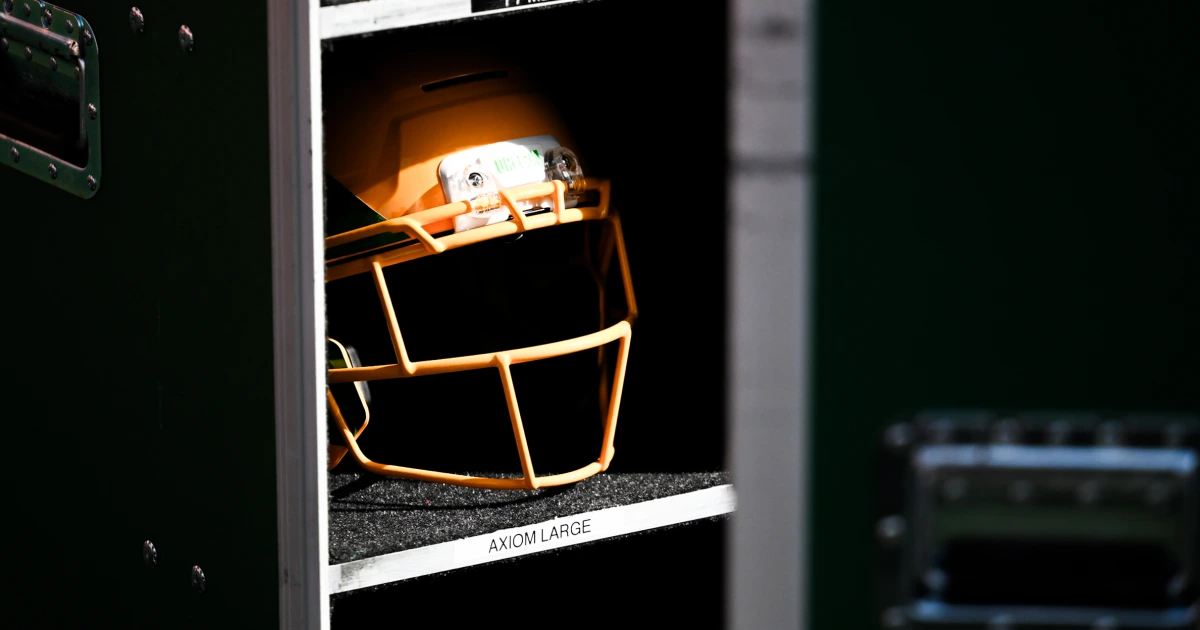
The NFL has taken steps to reduce the number of high-impact collisions players experience. Those measures include redesigned helmets, Guardian Caps and dynamic kickoff rules, which reduce collision velocity.
Source: www.nbcnews.com