


Hidden Creatures: Luscious Leeches, Bashful Botflies, and the Wondrous, History-Shaping World of Parasites Dino Martins Knopf (2026)
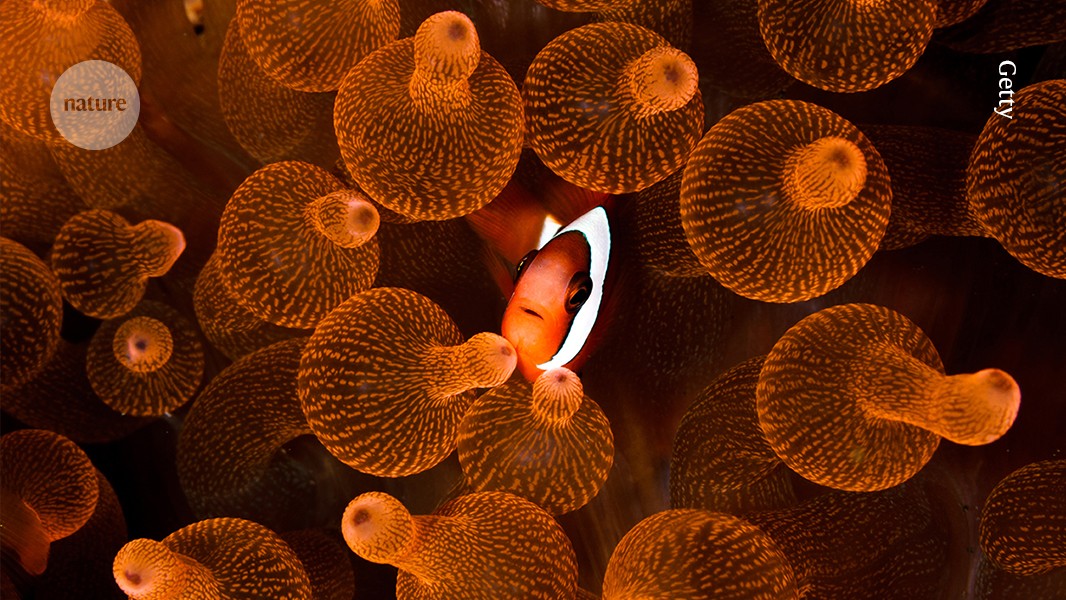
Togetherness: How Symbiosis Can Change the Way We Understand Our World, Ourselves and Our Future Rowan Hooper Fern (2026)
Humans often imagine that we are independent from the natural world. Yet bacteria can make us ill, bears can raid our rubbish bins and countless microscopic organisms live inside our bodies. These examples reveal a fundamental truth: every species is connected to the living world. Two new books explore these relationships, examining the essential roles played by parasites and symbiotic partnerships in the evolution of life.
In Togetherness, biologist and science journalist Rowan Hooper argues that cooperation between species has been a major force in evolution. Hidden Creatures, by entomologist and evolutionary biologist Dino Martins, takes a more unsettling approach. Parasites, Martins writes, survive by living off other organisms. “Half of all living things are mooching off others!”
Nature’s misunderstood villains
Parasites have affected humans since the beginning of recorded history. Inscribed in ancient Canaanite on an ivory comb are the words: “May this tusk root out the lice of the hair and the beard.” Dating back nearly 4,000 years, it is the oldest known sentence written using an alphabet. Lice still prey on humans today, alongside a vast range of other parasites.
Rights for rivers and ice cream for all: top reads for the summer holiday
Martins encourages readers to reconsider these frequently vilified organisms, which are nevertheless vital to healthy ecosystems. Many people who claim to ‘love nature’ focus only on its attractive or inspiring elements. That view is incomplete, he argues. We must “seek to understand all of nature”, or “you will end up loving and understanding none of it”.
His book is not for the squeamish. Martins describes caterpillars being eaten alive by developing wasp larvae and introduces readers to a rogues’ gallery of parasitic worms. One species, Stephanurus dentatus, inhabits the urinary tract of pigs, while Rhabditis orbitalis lives in the eyes of mice and voles. Other worm species colonize the lungs of birds.
Parasites also thrive inside the human body. Around one-third of the global population is infected with nematode worms, sometimes with devastating consequences. Hookworms, once known as the “vampires of the south” because of their prevalence in the southern United States, can live for years in the intestines, draining their hosts of blood, strength and vitality.
Tsetse flies in Africa transmit protozoan parasites that cause sleeping sickness. Brain worms infect moose, deer and elk, while tapeworms measuring up to 30 metres long have been found inside whales. The examples are seemingly endless.

Parasitic wasps lay eggs inside caterpillars, and their larvae consume the host after hatching.Credit: Jim Lane/Education Images/UIG/Getty
Some parasites can even manipulate their hosts into killing themselves. The Gordian worm infects the brains of praying mantises and changes gene expression, compelling the insects to leap into water and drown. This behaviour allows the worm to complete its life cycle and release eggs that hatch in aquatic environments.
There is, however, a surprising benefit to the world of parasites. Some animals have evolved ingenious ways to control infestations. Birds, for example, can remove irritating parasites from their feathers by rubbing against ants, whose bites release formic acid.
Leech therapy is also showing promise as a treatment for osteoarthritis. Leeches produce compounds with anti-inflammatory and anaesthetic effects that can ease pain and reduce swelling. Medical leeches are sometimes used in microsurgery and skin grafts because their natural anticoagulant prevents incisions from closing before blood circulation has been restored.
Martins’s final assessment is that parasites are indispensable ecological actors. By helping to decompose dead tissue and recycle nutrients, they support the functioning of ecosystems. Without these often-overlooked organisms, life on Earth would be profoundly different.
Symbiosis: nature’s productive partnerships
Hooper’s book explores the more harmonious side of relationships between species. Symbiosis — partnerships in which two or more organisms live together, often to mutual benefit — has played a central role in the evolution of life. Yet scientists have been slow to recognize its importance. “Cooperation is much harder to see than competition,” Hooper writes. “Fights are easier to measure than favors.”
How AI is revealing the secret lives of animals from hummingbirds to pumas
Lichens offer one of the clearest examples of symbiosis. What appears to be a single organism is actually a partnership between fungi and algae. The algae provide the fungi with sugars produced through photosynthesis, while the fungi supply water, minerals and a stable structure in which the algae can grow. Although lichens have been known since ancient times, it was not until the nineteenth century that scientists recognized them as composite organisms.
Source: www.nature.com