


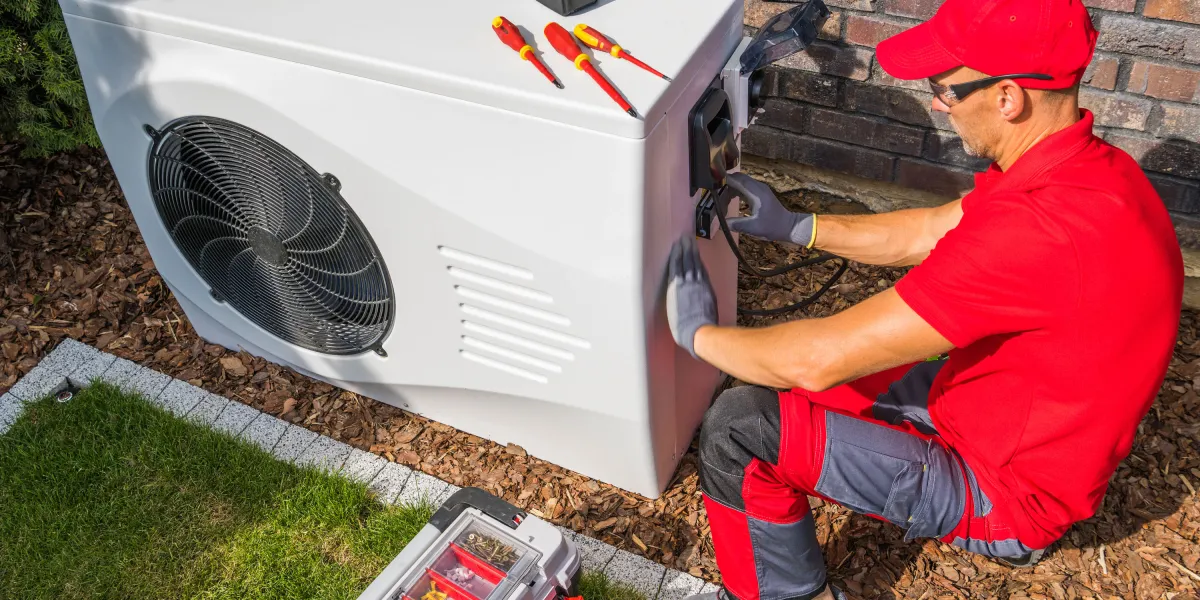
These statistics regarding heat pumps are especially significant right now, as the primary tax credit for these systems is set to end at the close of 2025. Despite this looming deadline, heat pumps continue to gain popularity. So, why is there still such a high demand for them?
For a quick overview, heat pumps utilize electricity to transfer heat from one location to another. They involve a refrigerant that circulates through a closed loop, expanding and compressing to absorb and release heat throughout the cycle. For a deeper understanding of the thermodynamics involved, check out my comprehensive commentary from 2023.
The outcome is a remarkably efficient appliance. After the purchase and installation of a heat pump, operating costs are typically much lower compared to gas or oil furnaces and other electric heating systems. Moreover, heat pumps operate without burning fossil fuels, making them essential in the effort to decarbonize buildings.
One significant barrier to the widespread adoption of heat pumps is the initial cost. Compared to gas furnaces, the purchase and installation of heat pumps can be more expensive. To combat this, many governments are providing incentives for their adoption. In the United States, anyone installing a heat pump between 2023 and 2025 can receive a tax credit of up to $2,000.
However, last year, the Trump administration reduced these tax credits, along with various incentives associated with the Inflation Reduction Act of 2022. Starting January 1, 2026, no financial support for heat pumps will be available.
I feel like I’ve witnessed this scenario before, and the outcome was disappointing. Just like the maximum $7,500 tax credit for new EVs that expires on September 30, 2025, there was a surge in sales leading up to the previous cutoff. After that, sales plummeted. Current statistics show that things are normalizing, but the removal of tax credits had a notable impact.
Interestingly, the situation for heat pumps appears to be different. According to energy economist and University of California, Berkeley professor Lucas Davis, sales actually saw an uptick in the months following the cut in tax credits. This is covered in a recent analysis.
Data from the Air Conditioning, Heating and Refrigeration Association—which represents roughly 90% of the U.S. market—indicates that although heat pump shipments remained stable from December to January, they have gradually increased since then. This seasonal rise, transitioning from winter to spring, aligns with trends observed in previous years, with further increases projected for 2026.
Source: www.technologyreview.com