


For decades, weight loss was presented as a simple equation: eat less and move more. However, modern research shows that weight management is far more complex than willpower alone. Biology, genetics, appetite regulation and the environment all influence how the body gains and loses weight.
To understand why losing weight can be so difficult, it helps to look back hundreds of thousands of years at our early human ancestors. Many of the challenges people face with weight loss today can be traced to survival mechanisms that evolved during periods when food was unpredictable and scarce.
For early humans, body fat was an important energy reserve. Having too little body fat increased the risk of starvation, while carrying too much could make movement more difficult. Over time, the human body developed sophisticated biological systems to protect its energy stores. In today’s world, where high-calorie food is widely available and daily movement is often limited, those same systems can make sustained weight loss challenging.
When a person loses weight, the body may respond as though it is facing a threat to survival. Hunger hormones can increase, food cravings may become stronger and energy expenditure can decrease. These changes evolved to help humans conserve energy when food was limited. Today, however, they can work against people trying to lose weight in an environment filled with inexpensive, calorie-dense foods and sedentary routines.
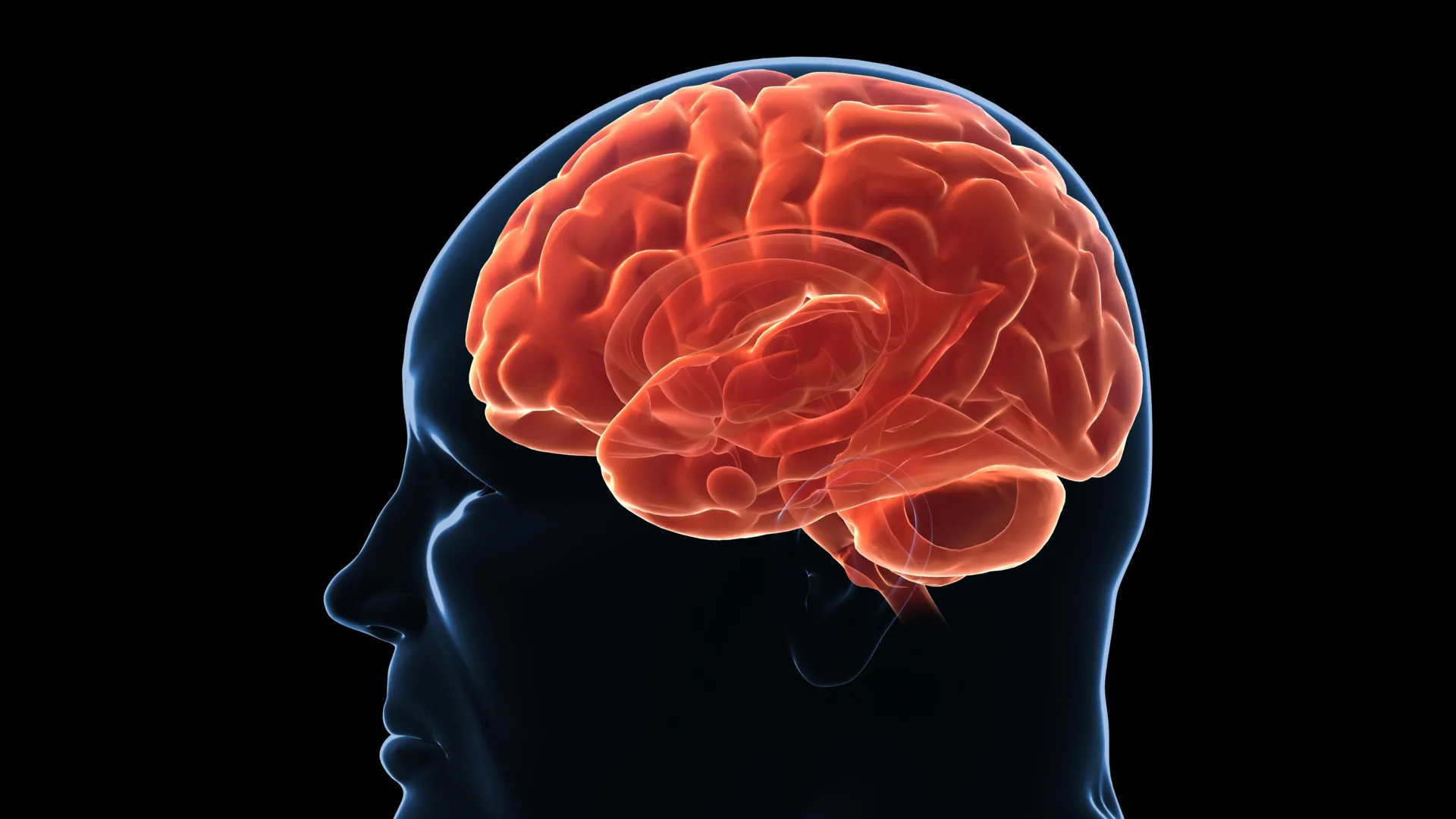
Recent research suggests that the brain plays a central role in defending body weight and may retain a biological “memory” of previous weight levels. For our ancestors, this system helped the body restore lost weight when food became available again after a period of scarcity.
For modern humans, however, the same mechanism may cause the brain and body to treat a higher body weight as the new normal. Once weight increases, the body may respond to weight loss by activating signals that encourage eating, reduce energy use and promote the restoration of previous weight.
This biological “memory” helps explain why weight regain is common after dieting. Regaining weight is not necessarily a sign of poor discipline. Instead, it may reflect the body’s natural response to weight loss and its attempts to defend an established weight range.
How Weight-Loss Medications Work
This is where weight-loss medications such as Wegovy and Mounjaro have created new possibilities. These medicines work in part by mimicking gut hormones that communicate with the brain and help regulate appetite, food intake and blood sugar.
However, not everyone responds to these medications in the same way. For some people, side effects may make treatment difficult to continue. Others may find that the medications do not produce significant weight loss. In addition, when treatment ends, the biological signals that promote weight regain may return, causing some or all of the lost weight to come back.
Advances in obesity and metabolism research could eventually lead to new treatments that more directly modify the biological signals involved in weight regulation. Future therapies may help the body maintain weight loss even after treatment has ended, although more research is needed.
Research also shows that better health is not always reflected by a lower body weight. Regular physical activity, nutritious food, quality sleep and good mental health can improve cardiovascular and metabolic health, even when the number on the scales changes very little.
Why Obesity Prevention Requires a Whole-Society Approach
Obesity is influenced by more than individual choices, so addressing it effectively requires action across society. Research suggests that several public health strategies may help prevent excess weight gain, including investing in healthier school meals, limiting the marketing of ultra-processed and junk food to children, designing neighborhoods that prioritize walking and cycling over car travel, and encouraging restaurants to offer standardized portion sizes.
Scientists are also studying important early-life stages, from pregnancy through approximately age seven. During this period, a child’s weight-regulation system may be especially adaptable.
Research suggests that factors such as parental nutrition, how infants are fed and early childhood lifestyle habits may influence how the brain regulates appetite, energy balance and fat storage later in life.
For people who want to lose weight, focusing on sustainable lifestyle habits is generally more helpful than relying on extreme or short-term diets. Long-term, sustainable habits can support overall health and well-being. Prioritizing sleep may help regulate appetite, while regular physical activity, including walking, can support blood sugar control, cardiovascular health and mood.
The key message is that obesity is not a personal failure. It is a complex health condition shaped by the brain, genes, hormones, behavior and the surrounding environment. Advances in neuroscience, metabolism research and pharmacology are creating new treatment options, while prevention policies may help improve health for future generations.
If you have struggled to lose weight or maintain weight loss, you are not alone—and the difficulty is not necessarily your fault. The brain has powerful mechanisms for defending body weight. With continued scientific research, effective medical care and healthier public policies, we are beginning to understand those mechanisms and change how weight management is approached.
Source: www.sciencedaily.com