


How Climate Change Is Making Wildfire Smoke a Growing Health Threat
As wildfires spread across Ontario, Canada, in mid-July, millions of people in the Midwest and along the East Coast experienced hazy skies and dangerous air pollution. On July 16, the Air Quality Index in Grand Rapids, Michigan, reached 616—far above the city’s previous record of 350. An AQI of 301 or higher is considered hazardous and signals an emergency health risk.
Episodes of wildfire smoke pollution are expected to become more frequent and severe as climate change increases temperatures, drought, and fire activity. Wildfires are among the most visible and immediate consequences of a warming climate, but the smoke they produce can affect people hundreds or even thousands of miles from the flames.
Wildfire smoke can trigger asthma attacks, heart attacks, and premature birth. It can also worsen existing heart and lung conditions, including chronic obstructive pulmonary disease (COPD). Because smoke travels with wind, its health effects can spread far beyond the area immediately threatened by fire.
Smoke from wildland fires drifts eastward over Canada and the United States in this image taken by the NOAA-21 satellite’s VIIRS instrument on the afternoon of July 14, 2026.
(Image credit: NASA Earth Observatory/Lauren Dauphin)
The long-term consequences of wildfire smoke exposure could be substantial. Research into the record-breaking 2023 Canadian wildfire season estimated that smoke may have shortened approximately 87,000 lives worldwide. Another 2025 survey found that wildfire smoke contributed to an estimated 41,380 excess deaths each year in the United States between 2011 and 2020. Under a high-warming scenario, that figure could rise to 71,420 annual excess deaths by 2050.
Across North America, longer and more intense wildfire seasons are creating new public-health challenges. The western and southwestern United States face a higher risk of large fires, while communities that have historically experienced few wildfires must increasingly prepare for smoke drifting into their regions.
“Wildfire smoke is the fastest-growing environmental threat to health in America,” said Marshall Burke, a professor of global environmental policy at Stanford University and lead author of research predicting a sharp increase in smoke-related deaths. “It’s changing really quickly.”
Climate Change Is Creating Longer Fire Seasons and Larger Wildfires
Even if greenhouse gas emissions decline rapidly, wildfire risk will not disappear immediately. Many heat-trapping gases remain in the atmosphere for decades, meaning the climate conditions that support more frequent and severe fires are already established.
“No one foresees changes that will lead to fewer wildfires, at least not in the near future,” said Mary M. Johnson, a senior research fellow in environmental health at Harvard University’s T.H. Chan School of Public Health. Wildfires are projected to increase in size, intensity, and frequency.
Global climate data suggests that fires will increase across many types of vegetation by the end of the 21st century if climate change is not limited. Even if warming remains near 2.2 degrees Fahrenheit (1.5 degrees Celsius) above preindustrial levels, fires are expected to become more common outside tropical regions.
The trend is already visible in the United States. Between 1984 and 2015, the number of major wildfires in the western United States doubled, according to the National Oceanic and Atmospheric Administration (NOAA).
A February 2026 study published in Geophysical Research Letters found that climate change is accelerating fire seasons in the boreal forests of Alaska and Canada. Earlier snowmelt leaves spring vegetation drier and more flammable. In the western United States, the timing of peak fire activity is also shifting as drought and precipitation patterns change.
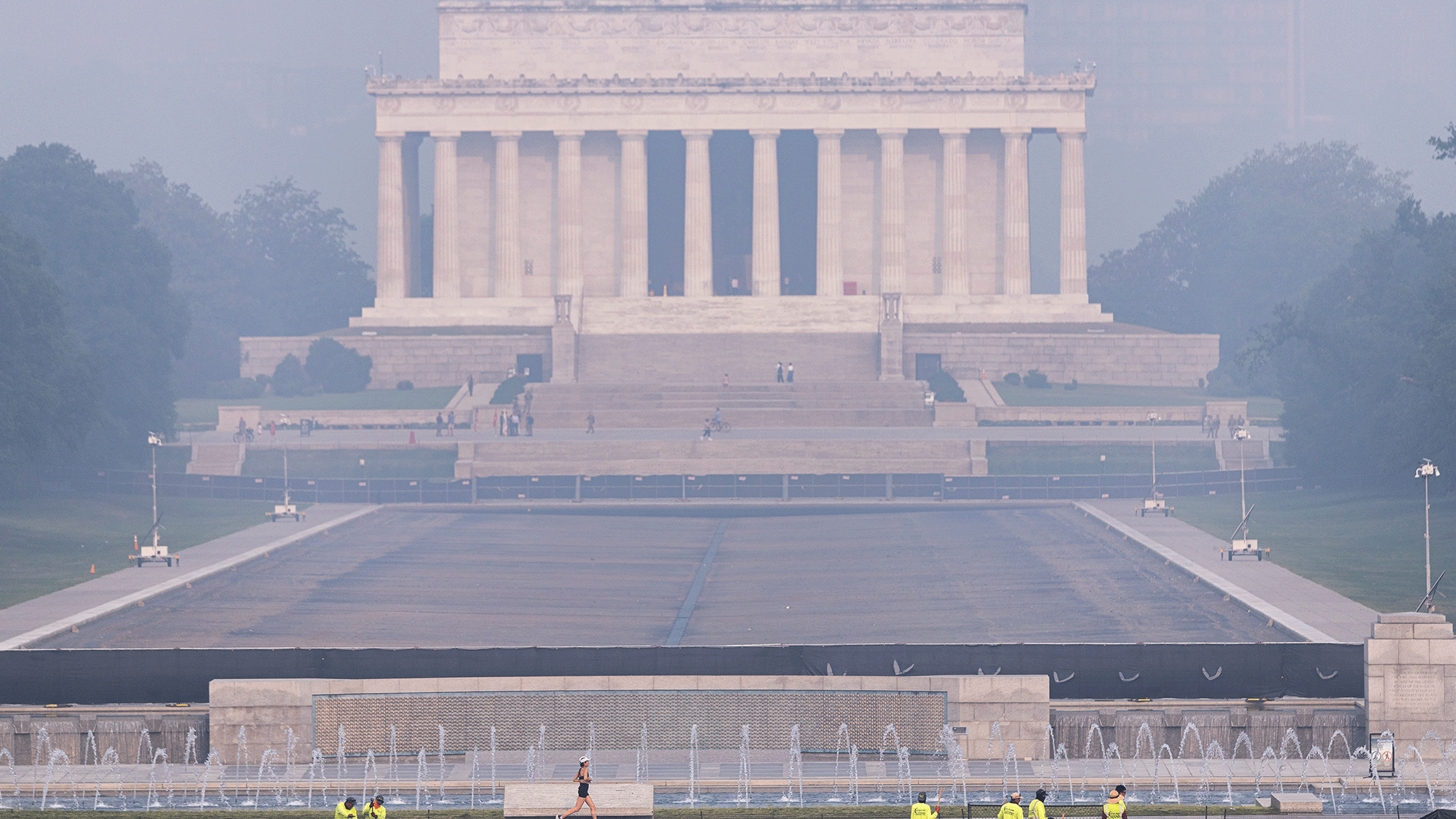
On July 17, smoke from Minnesota wildfires blanketed the Lincoln Memorial in Washington, DC. Smoke plumes can travel thousands of miles, exposing people far from the original fire.
(Image credit: Finn Gomez via Getty Images)
“It’s about dryness,” said Zhang Hongliang, an air-quality researcher at China’s Fudan University and lead author of the study.
A warmer atmosphere can hold more moisture, but climate change can also alter rainfall patterns and increase periods of drought. Rain may fall more intensely in some regions while dry conditions persist for longer periods in others. These changes can leave forests and grasslands more vulnerable to ignition.
Under a high-emissions scenario in which global temperatures rise by about 7.9 degrees Fahrenheit (4.4 degrees Celsius) by 2100, fire seasons in Canadian and Alaskan forests could begin approximately one week earlier, with shifts of up to 23 days in some northern areas. In the American Southwest, fire seasons could start later but extend more than a month longer.
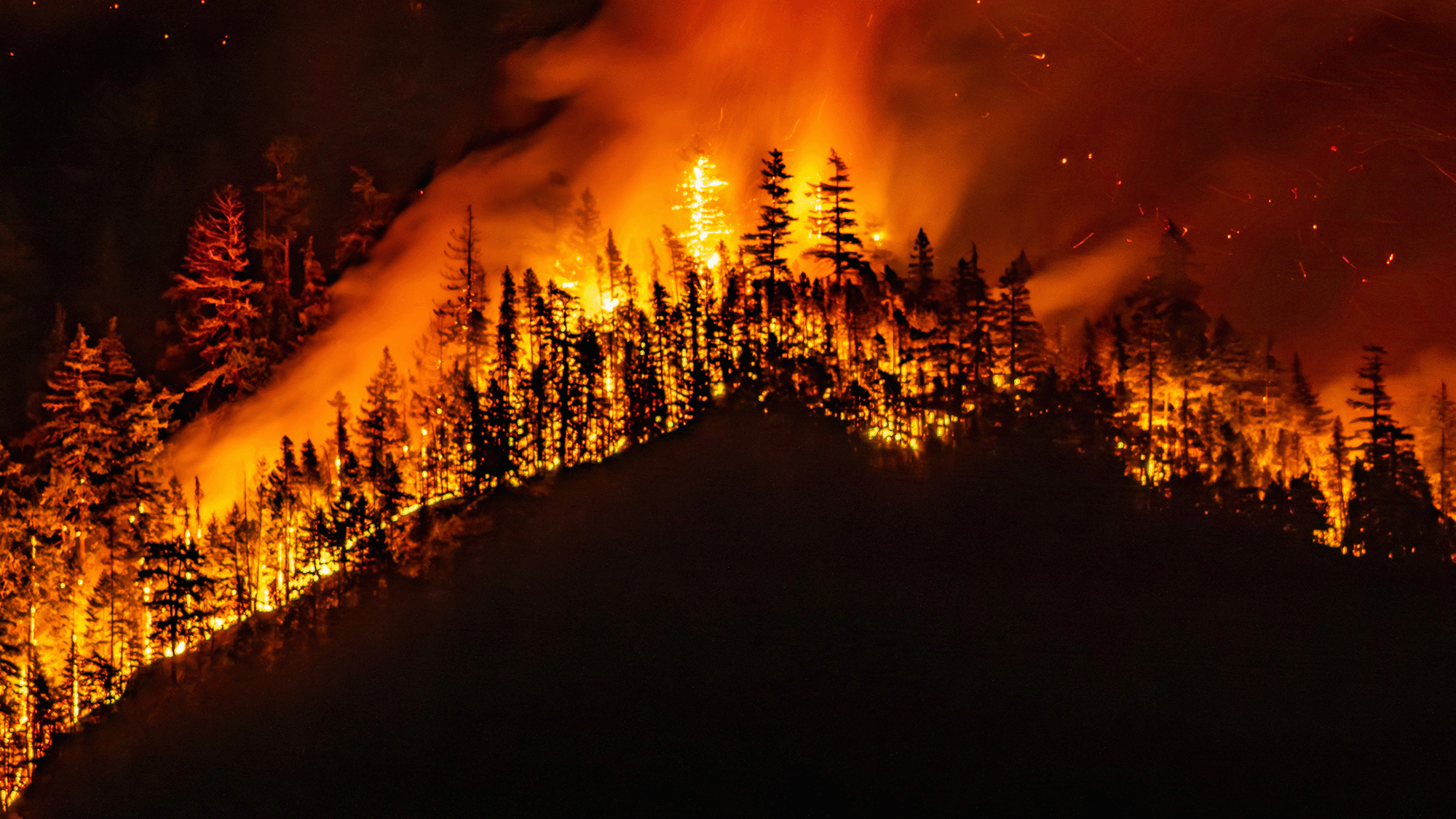
In 2025, a wildfire burned near Mount Underwood outside Port Alberni on Vancouver Island, British Columbia. Wildfire risk is expected to rise along the west coast of North America.
(Image credit: COLBY REX O’NEILL from Getty Images)
How Wildfire Smoke Pollutes the Air
More frequent and intense wildfires will release increasing amounts of air pollution. A 2020 study suggested that particulate smoke pollution could double or triple in the Pacific Northwest by the end of the century under continued warming.
Although the western United States is most vulnerable to wildfires, smoke can affect air quality across the country. Research led by Burke found that wildfire-related smoke emissions could increase by 262% to 482% between 2046 and 2055 compared with the 2011–2020 average, depending on the level of warming.
Climate change may also increase severe winds, which can transport wildfire smoke across entire regions. Smoke from the 2023 Canadian wildfires reached parts of Europe and Asia, according to EUMETSAT.
“There is no place in the world now where you can say, ‘I’m not going to be exposed to smoke,’” Johnson said.
Wildfires produce PM2.5, or fine particulate matter measuring 2.5 micrometers or less in diameter. These particles are small enough to travel deep into the lungs and, in some cases, enter the bloodstream. Studies have linked wildfire-related PM2.5 exposure to dementia, kidney disease, lung cancer, cardiovascular disease, and other serious health problems.
PM2.5 can increase oxidative stress, damage cells, and contribute to inflammation and DNA damage. During major fires, exposure is associated with a higher risk of heart attacks, strokes, asthma attacks, and other cardiovascular emergencies. Long-term exposure can be especially dangerous: between 2006 and 2020, wildfire smoke PM2.5 was associated with an average of approximately 24,100 deaths annually in the United States.
There is no place in the world now where you can say, “I’m not going to be exposed to smoke.”
Mary M. Johnson, Principal Investigator, Harvard T.H. Chan School of Public Health
Wildfire smoke can also affect pregnancy. One study found that a single week of exposure increased the risk of preterm birth by 3.4%. Additional research has reported that greater exposure to wildfire-related PM2.5 during pregnancy is associated with a higher risk of premature birth, particularly when smoke episodes last for several days or weeks.
Emerging research also suggests that wildfire smoke may affect cognition. A 2022 study linked cumulative smoke exposure during the school year to modest declines in test scores among elementary and middle school students. Other research has found that adults perform worse on cognitive tasks on days with higher smoke levels. Long-term exposure to wildfire-related PM2.5 has also been associated with an increased risk of dementia.
Wildfire Smoke Contains a Toxic Mixture of Pollutants
Scientists are still investigating why wildfire smoke can be so harmful. Smoke contains a complex mixture of gases and particles, including PM2.5. When homes, vehicles, and industrial buildings burn, the smoke can also contain toxic chemicals and heavy metals.
Air testing after the 2025 Palisades fire in Los Angeles found elevated levels of silver and chromium-6 nanoparticles. Chromium-6 is a known carcinogen.
Research led by Johnson has found that wildfire smoke exposure may cause epigenetic changes involving the immune system. These changes do not alter a person’s DNA sequence, but they can affect how genes are expressed. Altered immune responses may help explain why wildfire smoke worsens chronic diseases and increases inflammation.
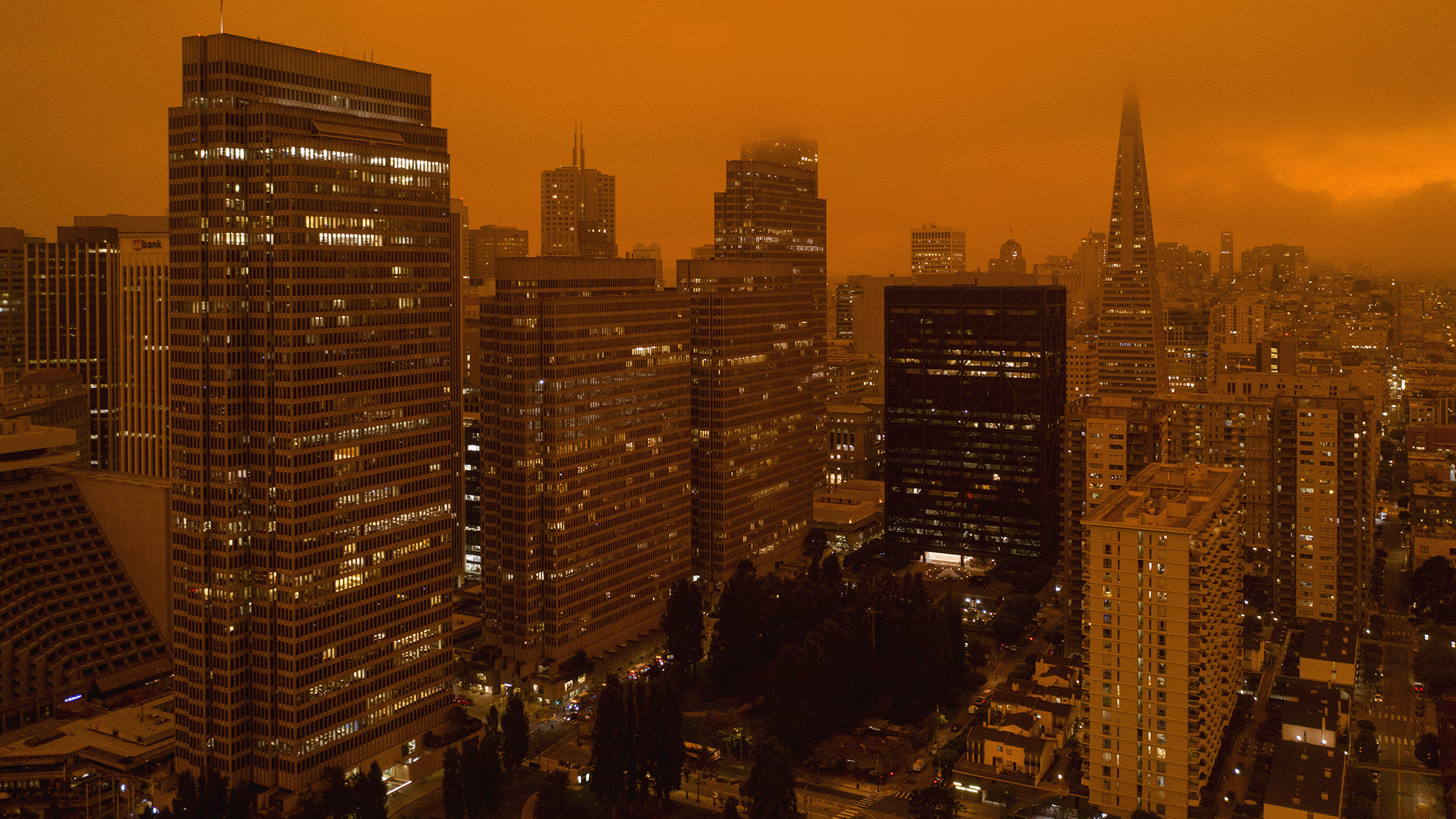
In September 2020, smoke from the North Complex fire turned the daytime sky over San Francisco orange. Such hazardous skies may become more common as wildfire risk increases.
Smoke can also change people’s daily behavior. When air quality is visibly dangerous, many people stay indoors, which may reduce injuries and traffic accidents but increase isolation, inactivity, and stress. Repeated periods of forced indoor living can gradually harm physical and mental health.
Emergency department visits may also rise on days when air quality is rated moderate or unhealthy for sensitive groups. On these days, the air may not look or smell especially polluted, so people can spend time outdoors without realizing how much smoke they are inhaling.
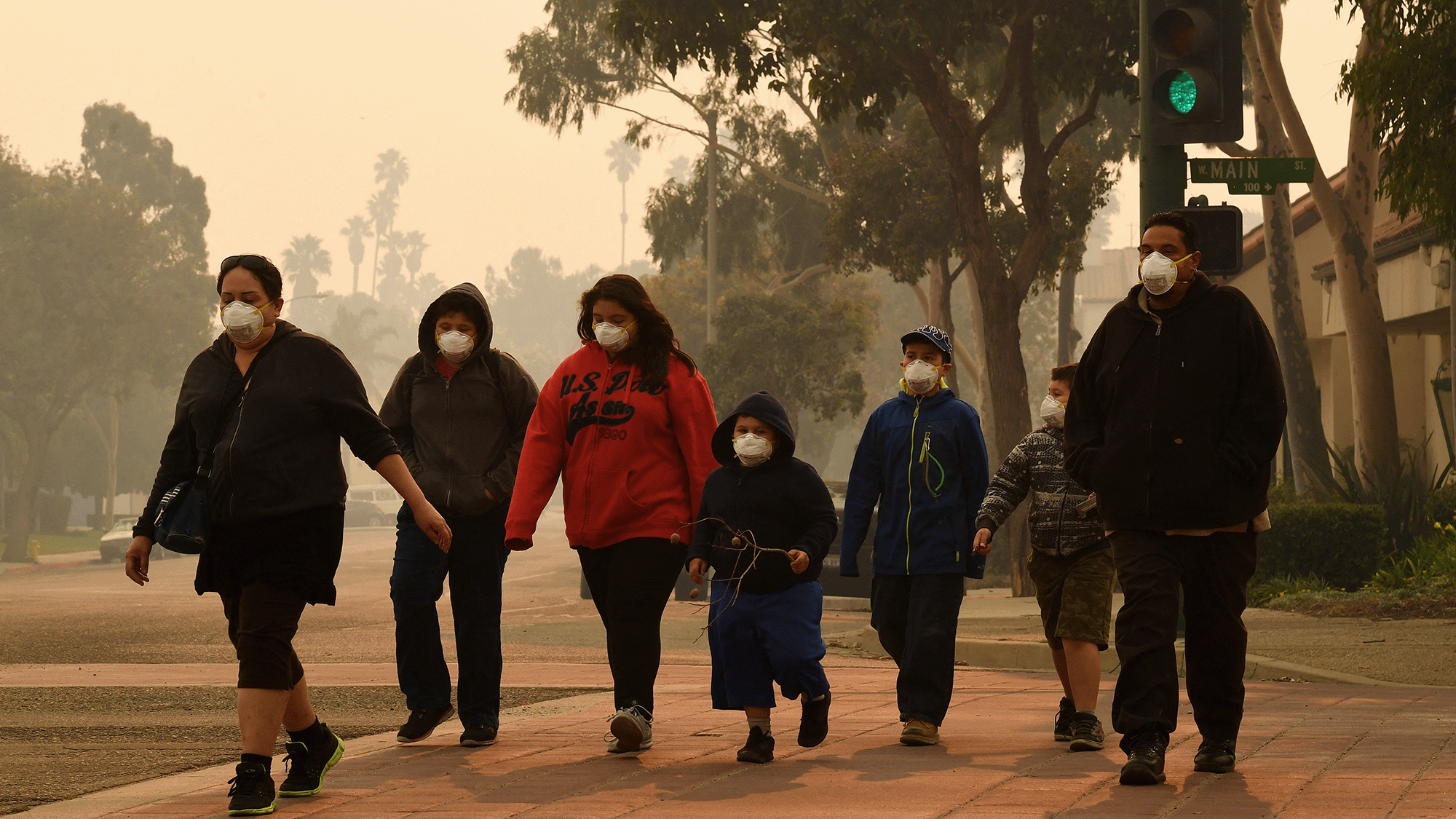
A family wears masks while walking outside in Ventura on a smoky day. As wildfires become more frequent and intense, scenes like this could become increasingly common.
(Image credit: MARK RALSTON, via Getty Images)
“There is no safe level of exposure to air pollution,” Burke said, citing the extensive scientific literature on air quality and health.
The health risks associated with wildfire smoke are serious, but some measures can reduce exposure. Monitoring local air-quality alerts, keeping windows closed during smoke events, using high-efficiency air filters, and limiting strenuous outdoor activity can help protect vulnerable people. Communities can also reduce future smoke pollution through forest management and carefully planned controlled burns.
Research suggests that controlled burns produce less pollution than uncontrolled wildfires while reducing the amount of vegetation available to fuel extreme fires. Investing in forest and fuel management could therefore help protect both communities and public health.
“It’s within our power to resolve that issue,” Burke said.
This article is for informational purposes only and does not provide medical advice.
Topics
Source: www.livescience.com