


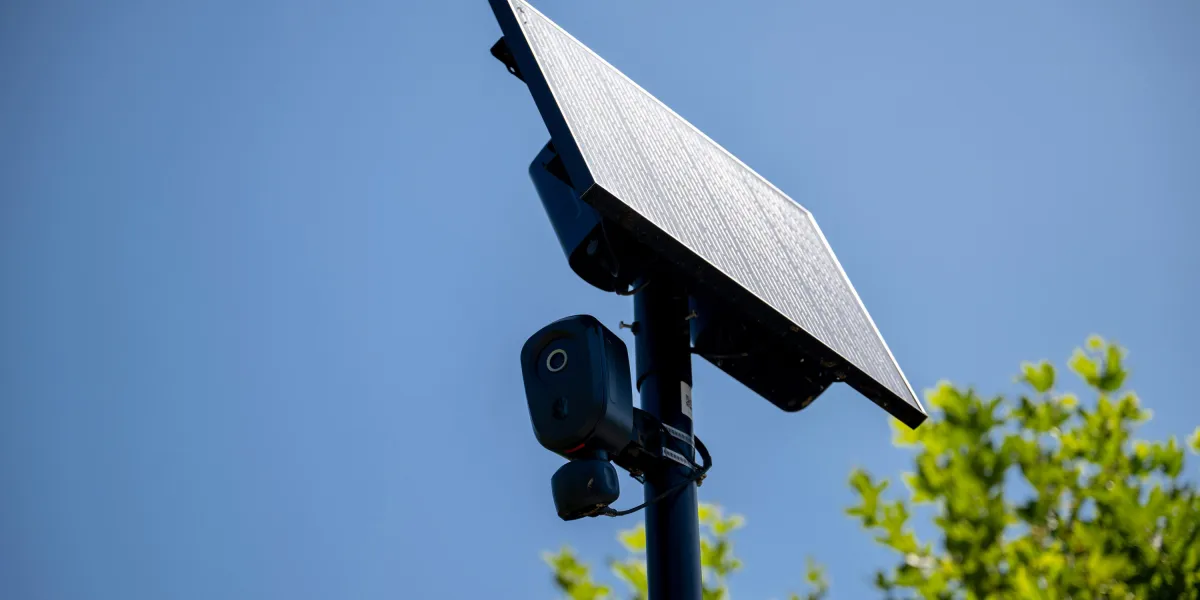
Flock Safety license plate reader systems are facing increased scrutiny after reports revealed that police officers used the technology to stalk and harass women. The Washington Post recently identified 50 cases involving alleged misuse of Flock and competing automated license plate reader systems. In Wisconsin, one woman said her former boyfriend, a police officer, searched for her vehicle 179 times. In another case, a woman alleged that a police chief stalked her, leaving her with no clear authority to report the misconduct.
In response, Flock Safety introduced safeguards designed to ensure that officers have a legitimate law-enforcement reason for conducting searches. These measures include software that flags unusual activity and a requirement that users enter a criminal case number before accessing certain information.
However, the policy contains a significant loophole: an officer can enter a fake case number, which is effectively no different from providing false information. As other reports about Flock Safety’s practices have highlighted, the safeguards may not prevent abuse if there is little independent oversight. The policy also fails to resolve broader concerns from civil liberties and privacy advocates, who argue that Flock is transforming a crime-fighting tool into a mass surveillance network. Public criticism has already prompted some cities to cancel contracts, while several states are considering laws that would restrict or ban automated license plate readers.
Supporters of Flock Safety argue that the cameras can help police solve serious crimes. As recent analysis, commentary, and public debate have suggested, if license plate cameras can help locate a kidnapped child or identify a suspect, some people may see the privacy trade-off as worthwhile. From this perspective, the system may simply record vehicle movements that would otherwise go unnoticed.
But setting aside questions about how effectively Flock’s technology prevents or solves crimes, focusing only on potential benefits overlooks a more important issue: what kind of crime-fighting system has Flock Safety created? The network reflects decisions about what information is collected, who can search it, how long the data is stored, and how widely it can be shared. Those choices determine the balance between public safety, privacy, and civil liberties. Believing that technology can assist law enforcement should not mean accepting its terms without transparency, accountability, and meaningful safeguards.
Source: www.technologyreview.com