


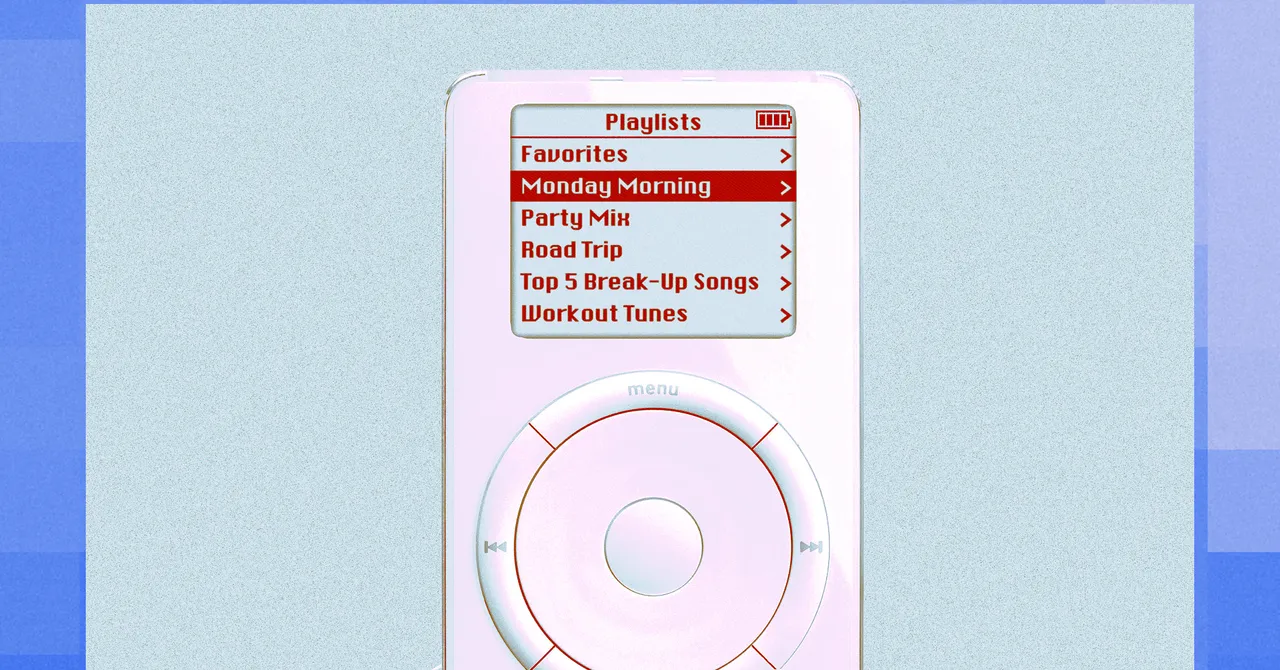
The iPod at 25: How Apple’s Music Player Changed Technology Forever
I remember the iPod’s launch clearly. This month marks the 25th anniversary of Apple’s iconic music player. I was working at Newsweek on October 23, just over a month after the attacks on the Twin Towers of the World Trade Center, when most people were focused on the aftermath.
I didn’t travel to Cupertino for the launch, where Steve Jobs pulled a gadget from his jeans pocket and announced that it could hold his entire music library. Instead, an Apple courier delivered the device to me in New York, and Jobs answered the phone himself.
“The iPod is going to be a breakthrough product,” he told me.
He was right. By 2004, I had written a cover story titled “iPod Nation” and later published a book about the device, The Perfect Thing.
When did the iPod die?
The iPod’s death was not nearly as memorable as its launch. It is not even clear when it happened. Officially, its time of death is generally considered to be May 10, 2022, when Apple discontinued production of the iPod touch, the last product to carry the iPod name.
I never considered the iPod touch a true iPod. It was essentially an iPhone without cellular connectivity. Perhaps a more fitting end came on July 27, 2017, when Apple discontinued the iPod nano—the last traditional iPod with a screen—and the iPod shuffle, a postage-stamp-sized player that clipped to your shirt. Apple had quietly discontinued the classic iPod with its hard drive and click wheel in 2014.
The iPhone made the iPod obsolete
The end of the iPod was the inevitable result of what Steve Jobs did on January 11, 2007. That day, he announced three new products: a phone, an internet device and “the best iPod ever.” They were combined into a single product called the iPhone.
From that moment on, the iPod was living on borrowed time. Still, Apple sold millions of its popular music players for years before the iPod finally went silent.
Why the iPod still matters
Although we love our smartphones, the iPod created an itch that still lingers. As I wrote in The Perfect Thing, the iPod was a single-purpose device that performed its function exceptionally well. It made people unconditionally happy.
Our relationship with iPhones—and Android smartphones—is more complicated. The devices that replaced the iPod are far more influential than their predecessor. Financially, the iPhone is the powerhouse of a $4 trillion company. I can’t think of another contender for the title of best product of the century.
The iPhone is powerful, but not perfect
I’m not saying the iPhone is perfect. It steals our attention through sometimes harmful social media apps. Countless car crashes have occurred because drivers were more interested in their touchscreens than in what was happening on the other side of the windshield. iPhone doomscrolling can contribute to depression.
Meanwhile, that perky little iPod brought nothing but joy.
Source: www.wired.com