


Close Menu
HitechubHitechub
    What's Hot
    Science

    Unlocking Sloth’s Slow Lifestyle: The Ancient ‘Jumping Gene’ Explained

    Science

    Humans came to America 7,000 years earlier than previously thought !?

    Science

    Study Finds Modified Mediterranean Diet Boosts Healthy Lifespan in Mice

    Important Pages:
    • About Us
    • Privacy Policy
    • Terms & Conditions
    Facebook X (Twitter) Instagram Pinterest
    Facebook X (Twitter) Instagram
    HitechubHitechub
    Thursday, June 25
    • Technology
      1. AI
      2. Gadgets
      3. View All

      This is the most popular CEO in the world

      Sectors in which “Chat-GPT” is most often used

      AI Pioneer Expresses Concern About Potential for AI to Surpass Humanity

      Artificial intelligence has begun to “swallow” professions

      What’s new in Android 14

      Europeans have about 700 million old mobile phones in their drawers

      Here’s how you can tell if your phone is being tapped

      “Sneaker X” – computer case in the shape of a sneaker

      Russian Gamers Unite to Prevent Nuclear War: Join the Fight Online

      Challenges of Space Travel: Why Journeying to Space is So Difficult

      NASA Astronaut Casts Historic Vote from Space

      Discover the Future of Comfort: What If You Could Wear a Chair?

    • Science
      1. Space
      2. Wheels
      3. View All

      Galaxies in the universe are growing more slowly than they should

      “Espace” presented the new lander “Apex 1.0”

      The largest asteroid sample ever collected has arrived on Earth

      (VIDEO) Incredible flight of the Parker Solar Probe

      Toyota wants to make a new generation battery with a range of up to 1,200 km

      Meet Toyota’s lunar “baby” that could make exploring the Moon easier

      Microlino – Is this the perfect city car?

      Alfa Romeo 4C gets an electric successor

      Breakthrough in Cancer Research: Antarctic Creature Holds Promise for New Treatments

      How Daily Bright Light Exposure Can Help Prevent Dementia

      Instant Stress Relief Techniques: Quick Tips for Finding Peace Instantly

      Discover the Top 17 Must-Read Science Books of 2026

    HitechubHitechub
    Home » Why You Might Be Wrong About Petting Your Cat: Discover the Right Techniques!
    Science

    Why You Might Be Wrong About Petting Your Cat: Discover the Right Techniques!

    Share Facebook Twitter Pinterest WhatsApp
    Share
    Facebook Twitter LinkedIn Pinterest WhatsApp

    What is the best way to pet a cat?
    Answer: It might not be how you think! While petting can be a way to bond with your feline friend, there’s no certainty your kitty will enjoy this interaction.

    According to Dr. Lauren Finca from Nottingham Trent University, “While some cats enjoy frequent petting, many cats prefer not to be petted in the conventional way we like. They tolerate it, often due to the benefits of their relationship with you, like getting food, treats, and attention.”

    “Remember, cats are not inherently social or tactile creatures when it comes to petting.”

    If you think your cat is tolerating your affection just to score a meal, you might be spot on—especially if you’re frequently reaching for their backend.

    “Scientific understanding of this behavior is still limited. We often believe that cats enjoy being stroked at the base of their tails, yet research findings indicate that this often results in negative behavioral responses,” explains Finca.

    Similarly, avoid the abdomen, as cats instinctively protect this area due to their vulnerable organs. This can lead them to perceive such touches as threats.

    Most cats dislike having their bellies touched. – Photo credit: Getty

    Explore more about cat behavior:

    “However, cats vary widely in their preferences. This variation depends on their personality and early experiences. Cats that were well-handled and socialized during their critical period (ages two to eight weeks) are generally more inclined to enjoy being petted,” says Finca.

    “Just because a cat is friendly doesn’t mean they love to be petted. Even if your cat meows or nuzzles against you, it doesn’t guarantee they’re comfortable. Always pay attention to their body language.”
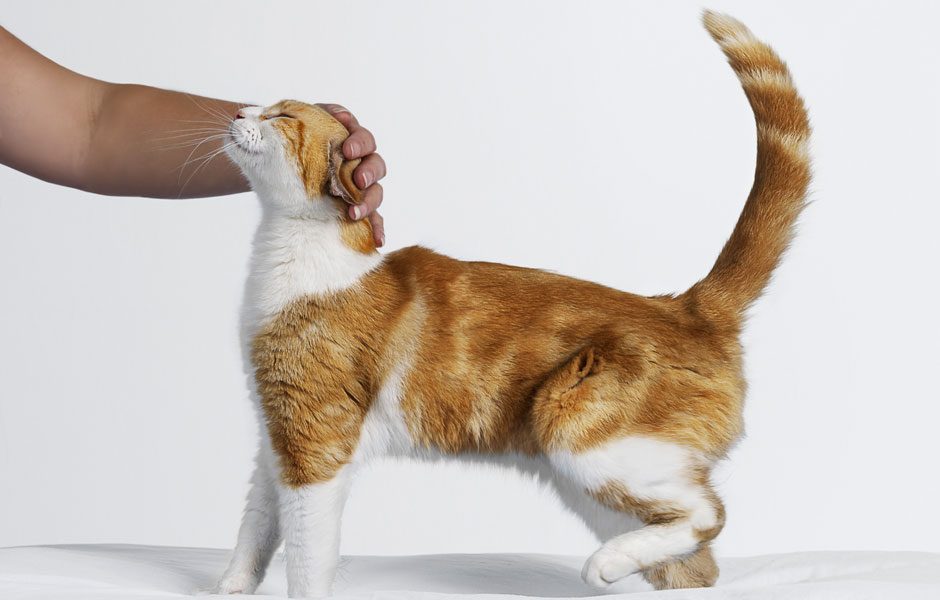
    person stroking a cat
    Cat exhibiting positive body language (note the raised tail) © Getty

    Look for subtle signs of what cat behaviorists term “negative arousal.” “When a cat is irritated, it may turn its head sharply toward your hand or stop actively soliciting interaction (like purring),” Finca describes.

    “Typically, during these moments, their ears may not point straight ahead but rather be slightly rotated or flattened. Other signs include sudden grooming, wavy fur, nose licking, head shaking, or a tail that is low and twitching (a negative sign), while a tail raised vertically usually signifies ‘positive excitement.’”

    “These subtle signs are common in many cats, but often go unnoticed, leading to misunderstandings about their feelings.”

    What is the best way to stroke a cat?

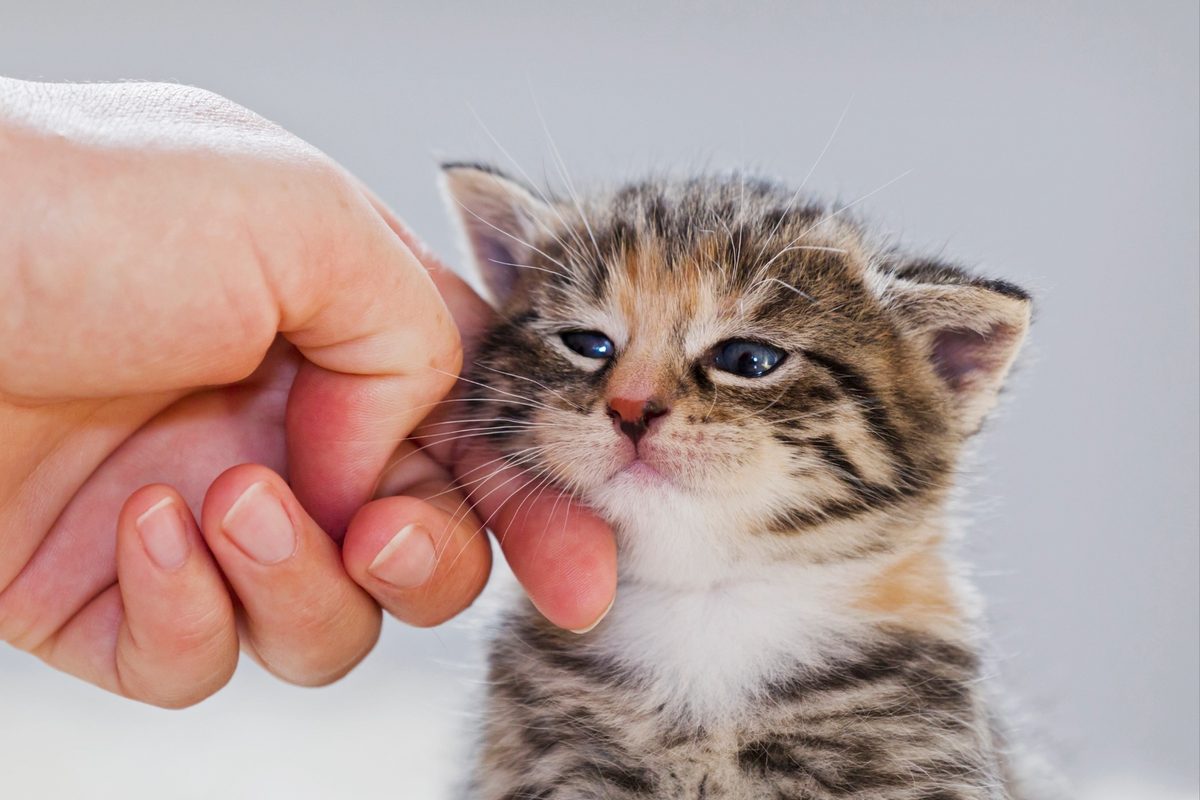
    As you’ve likely gathered, there are many common mistakes in petting cats. Generally, the areas where most friendly cats appreciate being petted include around the face, particularly the cheeks, base of the ears, and under the chin.

    “This is likely because these areas house numerous scent glands, and cats rub these spots to communicate their scent, making the teasing touch pleasant,” Finca explains.

    Of course, every cat is unique and may enjoy being petted in other areas. When uncertain, look for signs of “positive excitement” such as purring, rubbing, kneading, or a gentle wagging tail.

    In summary, consider adopting the Finca petting guidelines (currently being researched for our feline friends at Battersea Dog and Cat Home) during your next petting session:

    C: Choice and Control

    • Gently extend your hand to the cat, allowing them to come to you. Let them choose whether or not to engage.
    • If your cat approaches, it’s indicating they want to be touched. If not, respect their space.
    • Give your cat control over how much petting they receive. Every 3-5 seconds, pause to “check in” – if they rub against you, they might want more; if not, they may need a break.

    A: Observe Behavior

    • Signs they need a break may include pausing, stopping purring, moving away, or flattening their ears.
    • Other indicators could be shaking their heads, wavy fur, nose licking, or sudden grooming.
    • Cat may turn their head sharply towards you or your hand.
    • Sudden grooming for a brief period can also be a cue.

    T: Where to Pet

    • Most friendly cats enjoy being touched under the chin, around the cheeks, and at the base of the ears. Focus your petting in these areas.
    • Avoid the back, legs, and tail; particularly the base of the tail and tummy. Keep a close eye on their body language to assess their comfort.

    Follow these guidelines, and your cat may even end up loving you – or at the very least, lessen the chance of ending up on their “to destroy” list.

    Learn More About Cat Science

    Source: www.sciencefocus.com

    Share. Facebook Twitter Pinterest LinkedIn WhatsApp
    Previous ArticleExploring the Surprising Genetic Diversity of Late Neanderthals
    Next Article Study Finds Modified Mediterranean Diet Boosts Healthy Lifespan in Mice

    Related Posts

    Science

    Breakthrough in Cancer Research: Antarctic Creature Holds Promise for New Treatments

    Science

    How Daily Bright Light Exposure Can Help Prevent Dementia

    Science

    Instant Stress Relief Techniques: Quick Tips for Finding Peace Instantly

    Science

    Discover the Top 17 Must-Read Science Books of 2026

    Science

    Ancient Philosophers’ Lost Writings Rediscovered from Unreadable Scrolls

    Science

    How Phages Could Enhance Vaccine Immunity While Targeting Cancer Cells

    Science

    Record-Breaking IBM Chip Achieves 100 Billion Transistors Using Innovative Technology

    Science

    Revolutionary Method for Detecting Volcanic Eruptions | Sciworthy Insights

    Add A Comment
    Leave A Reply Cancel Reply

    Stay In Touch
    • Facebook
    • Twitter
    • Instagram
    • Pinterest
    Top Picks
    Science

    Why Britain’s Mild Heatwave Feels Hotter Than America’s Most Severe Heatwave

    The UK is currently enduring yet another intense heatwave, leaving many residents perplexed as to…

    Join The New Scientist Book Club: Exclusive Excerpt from Richard Dawkins’ “The Selfish Gene”

    Rare Camera Trap Footage Reveals Wolves Hunting European Bison

    New Axolotl Fossil Discovered in Mexico: A Significant Paleontological Find

    Windows 12 requires more powerful hardware

    Most Popular
    Science

    Revolutionary Startup Aims to Capture and Redistribute Sunlight from Space

    Science

    Fishing Restrictions Lifted in Western Reservoirs Facing Drought-Related Drying

    Categories
    • AI (13)
    • Gadgets (10)
    • Science (360)
    • Space (9)
    • Technology (37)
    • Wheels (9)
    Our Picks
    Science

    Hurricane Season Kicks Off: Below-Average Forecast Highlights First Time in a Decade

    Science

    Can Apple and Google Prevent Kids from Sharing Explicit Images? Insights and Solutions

    © 2026 Hitechub.
    • Home
    • About Us
    • Privacy Policy
    • Terms & Conditions

    Type above and press Enter to search. Press Esc to cancel.

    We are using cookies to give you the best experience on our website.

    You can find out more about which cookies we are using or switch them off in .

    Ad Blocker Enabled!
    Ad Blocker Enabled!
    Our website is made possible by displaying online advertisements to our visitors. Please support us by disabling your Ad Blocker.
    Hitechub
    Powered by  GDPR Cookie Compliance
    Privacy Overview

    This website uses cookies so that we can provide you with the best user experience possible. Cookie information is stored in your browser and performs functions such as recognising you when you return to our website and helping our team to understand which sections of the website you find most interesting and useful.

    Strictly Necessary Cookies

    Strictly Necessary Cookie should be enabled at all times so that we can save your preferences for cookie settings.