


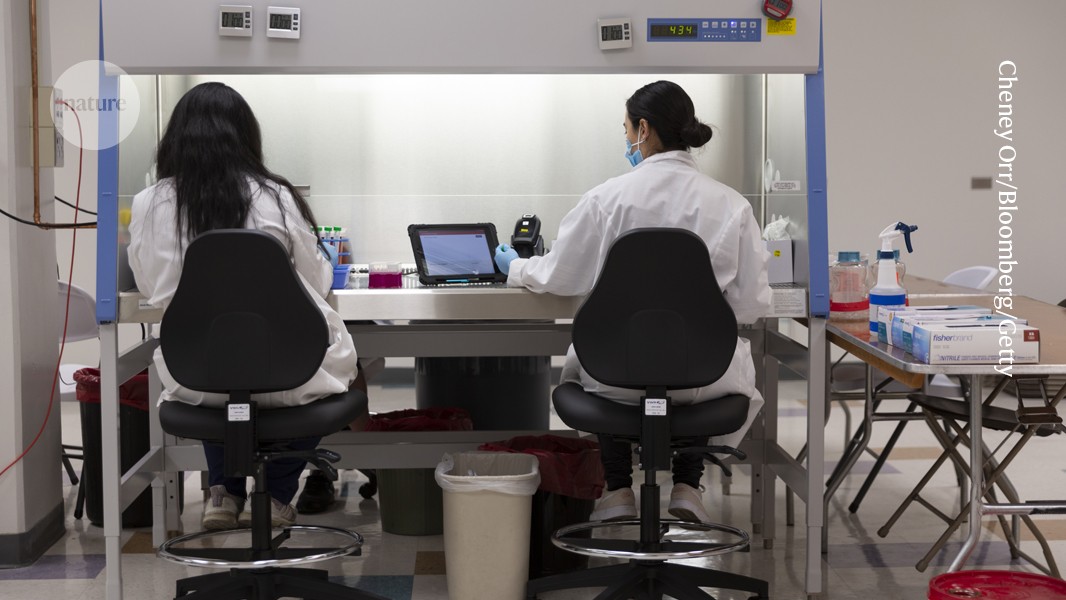
International students at U.S. academic institutions now have a maximum of four years to complete their studies unless an extension is granted.
Credit: Cheney Orr/Bloomberg/Getty
The U.S. government has announced new regulations that will limit international students’ stay in the country to four years unless they obtain an extension from the Department of Homeland Security (DHS).
Under the current system, students are permitted to stay for the duration of their academic programs. The DHS plans to implement this change on September 15th to address issues of visa abuse and uphold the integrity of the U.S. immigration system.
This alteration aims to end exploitation by “permanent students” who enroll in courses solely to retain their legal status in the U.S.

Decline in U.S. doctoral program enrollment raises flags amidst President Trump’s budget cuts
Typically, earning a PhD in science or engineering in the U.S. takes around 5.6 years. Experts are concerned that a four-year limitation may compromise the quality of doctoral programs and deter international students from studying in the U.S. The new regulations will also prevent graduate students holding F-1 visas from switching programs or institutions. In the 2024-25 academic year, approximately 488,000 international students were enrolled in the United States.
Bennett Goldberg, a physicist at Northwestern University, expressed that this policy could rob American institutions of brilliant minds that contribute to scientific innovation.
“For decades, international students have been encouraged to pursue their studies in the United States,” he noted, pointing to restrictive policies as the possible “collapse of the dream” of becoming a leading innovator or scientist in the country.
To date, DHS has not provided comments on the implications of these new rules, despite Nature seeking their perspective.
Thorough Review Required
Since 1978, full-time international students have been allowed to remain in the U.S. for the duration of their studies, provided they make “ordinary progress” toward their educational objectives.
Under the new guidelines, students already in the U.S. as of September 15 will have a four-year limit from that date. New arrivals will also face a four-year cap unless they secure an “extension of stay,” which is subject to a stringent review process. This process includes a background check and security clearance.
Some educators predict that these new restrictions could deter future students from enrolling. “This policy change could lead to a further decline in doctoral program enrollment in the U.S.,” stated Chris Glass, a higher education researcher at Boston University.
‘You’re not welcome at all’: Addressing the U.S. plan to revoke Chinese student visas
The U.S. is not alone in tightening regulations for international students, as Australia has implemented enrollment caps and the UK has restricted certain students from bringing family members.
Source: www.nature.com