


The company said monitoring bat boxes in the field is essential for assessing whether conservation measures are effective. It can also reveal “unexpected and valuable” discoveries, such as the presence of Nathusius’ pipistrelle.
Dr. George Muscat said environmental DNA (eDNA) swabbing could become a valuable monitoring tool for ecologists, as important data may be missed during “one-off” surveys, including visual bat box inspections.
The report said eDNA monitoring could improve knowledge of bat species distributions, helping conservationists identify priority areas and protect endangered species more effectively.
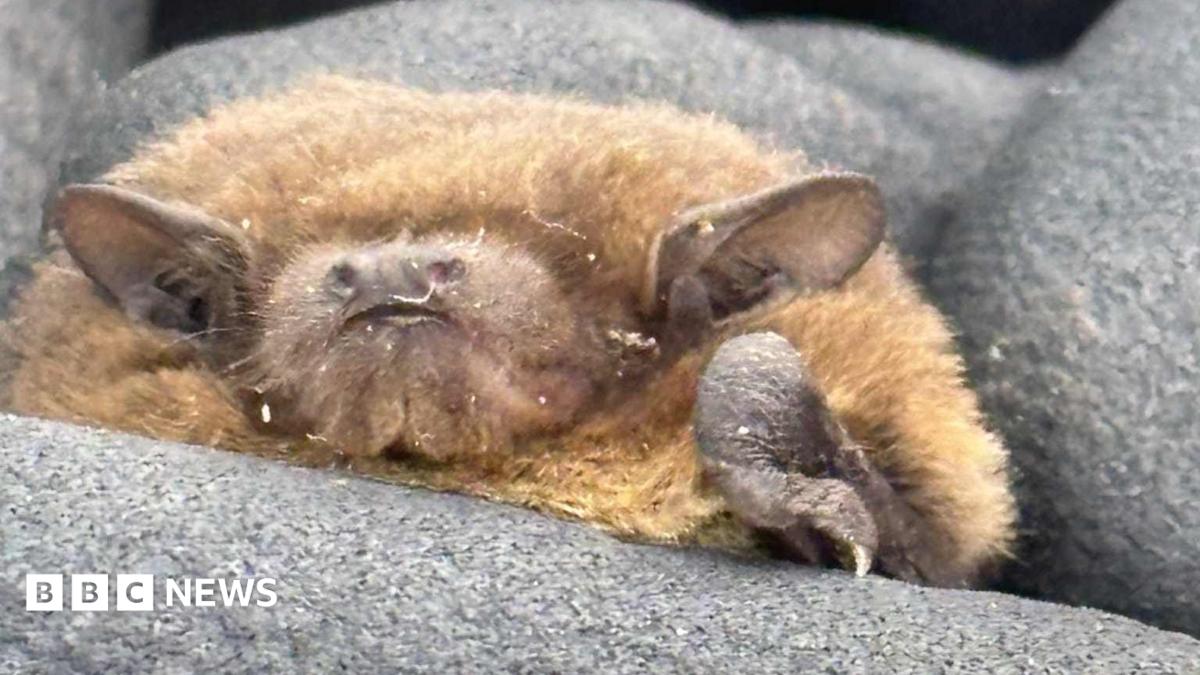
Working with the South Yorkshire Bat Group and Yorkshire Water, biodiversity intelligence company NatureMetrics analyzed environmental DNA collected from bat boxes. The testing detected Nathusius’ pipistrelle, one of the UK’s rarest breeding bat species, which is known to migrate between Britain and mainland Europe.
Follow-up surveys confirmed the discovery, identifying the first recorded roosting site for Nathusius’ pipistrelle in South Yorkshire.
According to the Bat Conservation Trust, Nathusius’ pipistrelle resembles a common bat but is slightly larger, with longer fur on its back.
Dr. George Muscat, product ecologist at NatureMetrics, described eDNA as “a tiny imprint or fingerprint of DNA left behind by a species in its ecosystem.”
He said traditional surveys previously required researchers to climb trees at night and visually identify bats inside roosts, a process that could be time-consuming and challenging.
“By using surface swabs, we were able to monitor many more bat boxes in a much shorter period of time,” he said.
Source: www.bbc.co.uk