


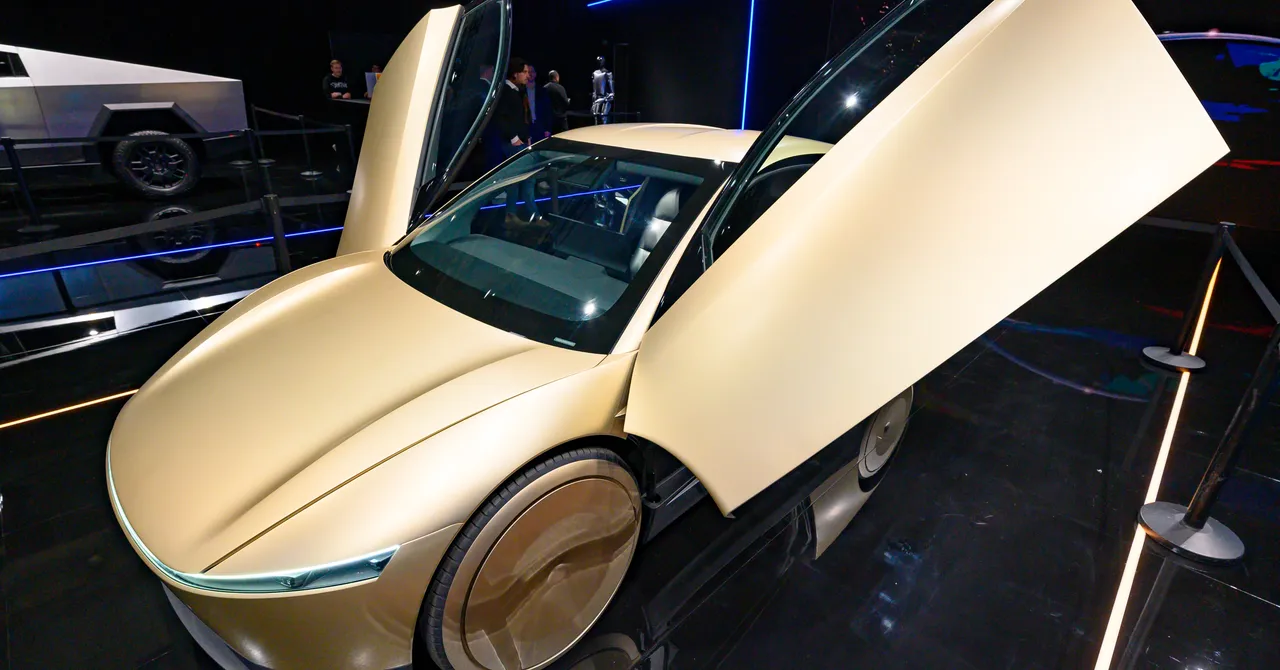
Tesla’s CyberCab, a distinctive two-seat autonomous vehicle without a steering wheel or brake pedal, is scheduled to begin transporting passengers in Austin, Texas, tonight. However, the Tesla robotaxi is already facing scrutiny from the U.S. federal government, which is investigating whether the vehicle complies with federal motor vehicle safety standards.
The investigation comes just hours after Tesla welcomed hundreds of fans to downtown Austin for rides in its driverless CyberCab. The electric vehicle maker plans to add the autonomous cars to its Tesla Robotaxi ride-hailing network, which currently operates in a limited number of cities across Texas and Florida.
The National Highway Traffic Safety Administration is reviewing and updating federal vehicle safety standards to support the faster deployment of self-driving cars on public roads. The agency is examining eight rules, including requirements for components that may not be necessary in fully autonomous vehicles, such as brake pedals, windshield wipers and rearview mirrors. Until those standards are changed, however, the existing federal requirements remain in effect.
Robotaxi companies using unconventional vehicle designs are being asked to seek exemptions from federal regulations before transporting passengers. Amazon subsidiary Zoox, which operates vehicles without steering wheels or traditional manual controls, received the first such exemption this summer. The approval limits Zoox’s operations to 2,500 vehicles this year.
Tesla maintains that its CyberCab meets all current federal safety standards and therefore does not require a regulatory exemption.
The federal probe, described as an “audit inquiry,” will examine the data and processes Tesla used to determine that the CyberCab complies with existing safety requirements, according to a government filing.
NHTSA Administrator Jonathan Morrison said in a statement that the agency “fully supports the safe development and deployment of self-driving vehicles. However, as federal regulators, we must ensure that all laws are followed.”
Tesla did not immediately respond to a request for comment on the investigation.
A federal safety investigation can have significant consequences for an automaker. NHTSA can require companies to modify their vehicles or compliance procedures and can pursue enforcement actions, including civil penalties. Volvo Group North America paid a $130 million fine in 2023 following an investigation into its recall process. The company also agreed to three years of oversight by an independent third-party auditor.
The CyberCab represents Tesla’s vision for the future of transportation. CEO Elon Musk has said the company should be viewed less as a traditional automaker and more as a robotics and autonomous driving business. According to a Texas state database, 45 CyberCab vehicles are currently registered in the state. Tesla has indicated that it ultimately plans to produce and deploy millions of autonomous vehicles each year.
Source: www.wired.com