


Space Weapons and Anti-Satellite Technology Are Fueling a New Arms Race
Orbital weapons may be unusual, but the United States, Russia and China have possessed space-capable weapons for some time. India is also developing different types of anti-satellite and anti-space weapons.
US, Russia and China Accused of Escalating Space Weapons Development
In a subsequent interview with the BBC, Mr Bowen dismissed China’s reaction to US announcements warning of an arms race in space, describing it as “the pot turning the kettle black”.
“If you are already an expert, you know how empty the words coming from the Russian and Chinese governments are,” he said.
“The United States, Russia, China, and India are all developing different types of anti-satellite and anti-space weapons, and Russia and China have many technologies in space that have weapons potential,” he added.
What Are Rendezvous and Proximity Operations?
Over the past decade, Russia and China have conducted an increasing number of space maneuvers known as rendezvous and proximity operations, or RPOs. These operations involve satellites approaching and “buzzing” Western satellites.
“Theoretically, these RPOs could turn a satellite into a hunter-killer satellite by physically colliding with another satellite or forcing it out of orbit,” Dr Rod Thornton, a reader in Russian defense and security studies at King’s College London, told the BBC.
Bowen added that China has demonstrated “space traction capability”. “The vehicle can reach the satellite, grab onto the satellite and move it to another orbit,” he said.
That capability could have positive applications, including removing space junk instead of destroying operational satellites, Bowen said.
How Anti-Satellite Weapons Create Space Debris
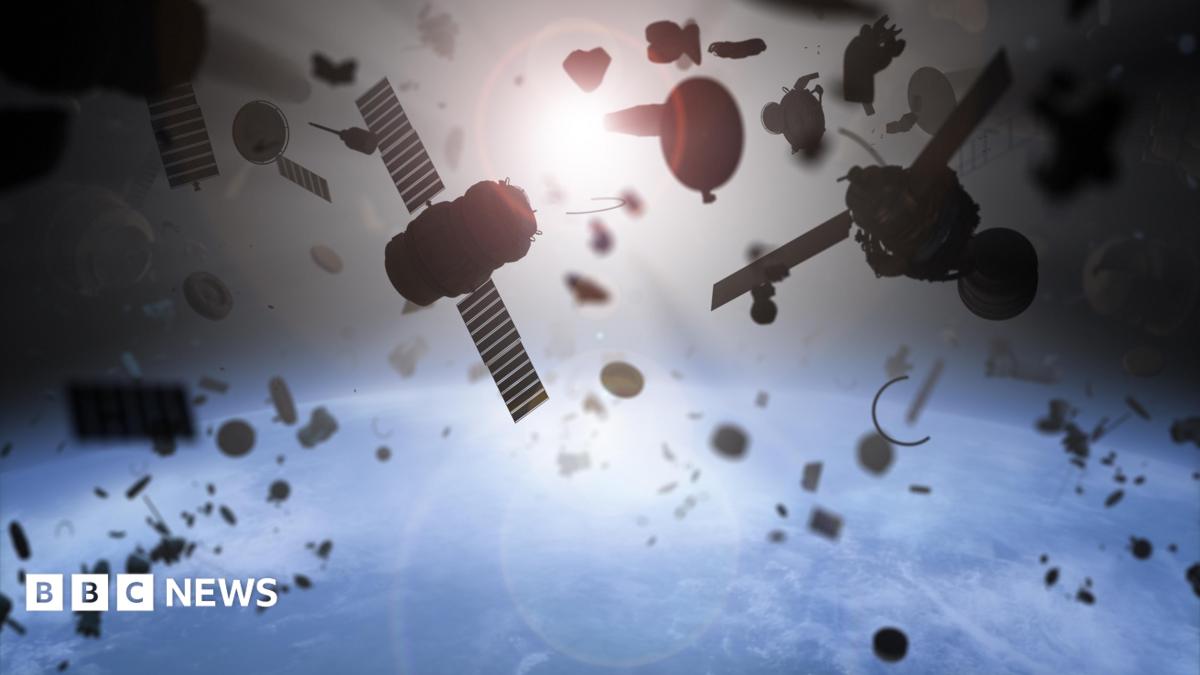
However, some types of space weapons can produce large amounts of dangerous debris.
Dr Mark Hilborn, a space security and weaponization expert at King’s College, said direct-ascent anti-satellite missile tests, such as the one China conducted in 2007, leave large amounts of debris in orbit for a very long time.
Seuss said debris from that test is still in orbit and remains dangerous.
“Given the speed at which it travels in orbit, it doesn’t have to be a huge piece of metal to cause damage; it can be a small piece of plastic,” she said.
Source: www.bbc.co.uk