


175 Climate Scientists Warn of Growing U.S. Risks as Future of National Climate Assessment Remains Uncertain
The future of the next U.S. National Climate Assessment remains uncertain as scientists highlight growing climate risks, including compound extreme weather events, worsening heat and flooding, and gaps in climate information for policymakers and communities.
Scientists Call for More Research on Compound Climate Risks
A new report published in the journals Earth’s Future and Proceedings of the American Meteorological Society was written by 175 independent climate scientists, many of whom have previously participated in national climate assessments.
The report identifies areas of climate research that require greater attention, including the risk of compound events. These events occur when multiple hazards happen together or in close succession, such as a heat wave following a hurricane.
“We’ve seen instances of high heat combined with wildfires this summer. We’ve also seen extreme precipitation leading to flash flooding and power outages, and these risks generally overwhelm traditional policies and infrastructure,” Kenney said.
The report also outlines advances made since the fifth and final National Climate Assessment, released in 2023. Those advances include improved ways to understand the rapid intensification of hurricanes and coastal subsidence in the United States, which can help researchers better characterize flood risk.
“It’s been several years since the last U.S. National Climate Assessment, and a lot has progressed,” Kenney said. “We’re listening to the community and they’re saying they need scientific information. They want us to continue working to help them better understand the impacts they’re experiencing and what we expect to happen in the future.”
Despite the need for updated information, the future of the country’s climate assessment remains uncertain.
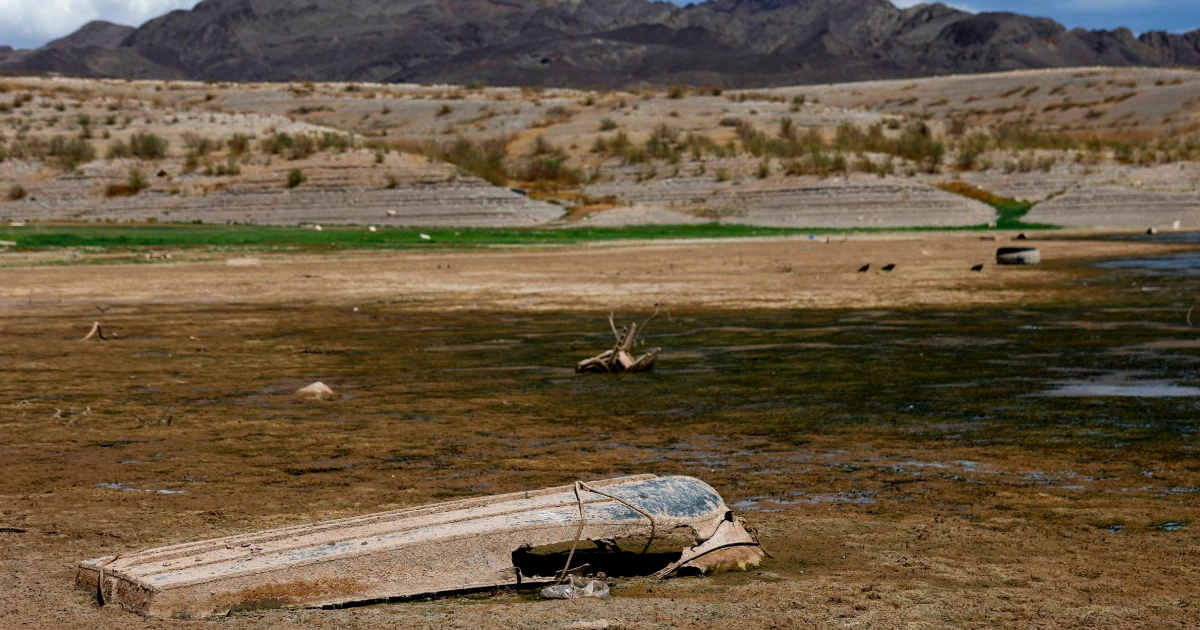
Arwen Clemans/Los Angeles Times via Getty Images
What the National Climate Assessment Does
The Global Change Research Act of 1990 requires the U.S. Global Change Research Program, or USGCRP, to submit a National Climate Assessment to the president and Congress every four years.
The assessment typically includes an overview of the science and physics of climate change, its effects on the United States, and how society is adapting. It also includes localized climate projections for different regions of the country, helping the public understand the risks facing their communities.
Uncertainty Surrounds the Sixth National Climate Assessment
Earlier this year, the Trump administration appointed Matthew Wielicki to lead the USGCRP. In a personal blog titled “Irrational Fear,” Wielicki criticized the scientific consensus on climate change and described media reports that climate change is intensifying heat waves as “hysteria.”
Wielicki and the White House Office of Science and Technology did not respond to multiple requests for comment on whether the Special Collections National Climate Assessment would continue to be published.
The Trump administration is also proposing redactions to the National Climate Assessment released in 2023, including removing discussion of high-emissions scenarios considered unlikely. Scientists said it was unusual to propose editing a three-year-old report written by hundreds of scientists that had already undergone peer review and public comment, particularly when a new version may be imminent.
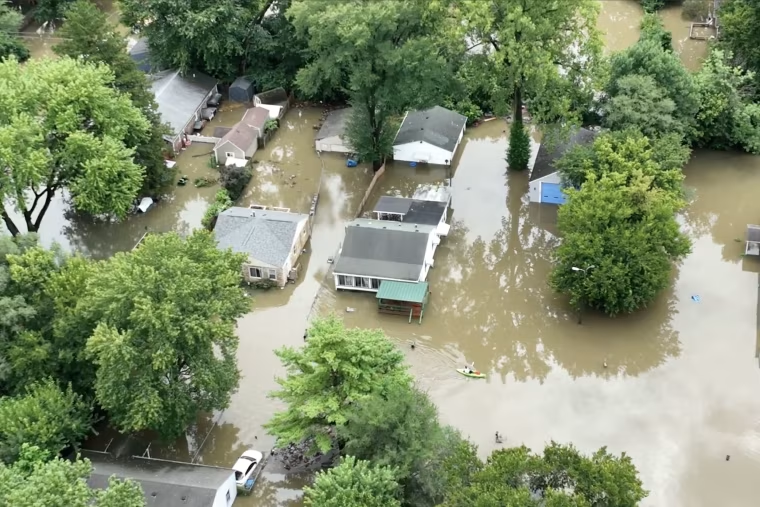
NBC News
“This is a complete violation of basic science best practices,” said Rachel Cleetus, senior policy director for the Climate and Energy Program at the Union of Concerned Scientists, describing the amendment as a “politically motivated” edit. “They’re just proposing changes to a report they didn’t even author.”
The Trump administration’s motives for editing the 2023 climate report are unclear. In a public suggestion to revise the report, the government said it sought to make clear that federal agencies should not use high-emissions scenarios to inform the planning process. Wielicki did not respond to questions.
Phil Duffy, chief scientist at Spark Climate Solutions and a former adviser to the White House Office of Science and Technology Policy during the Biden administration, said: “There is no need to take action based on what is in NCA5. It is an informational document. It is intended to help state governments, businesses and the public.”
Congress Is Required to Submit the Next Report in 2027
The Trump administration has not announced whether it will release the sixth assessment. Congress is required to submit its next report in 2027, although previous administrations have not always met that obligation.
“There is precedent for not releasing a Congressional-mandated national climate assessment,” Duffy said. “If a national climate assessment was issued every four years, it would be the ninth.”
Large nonprofit scientific organizations have been preparing for the possibility that the report will not be released since the authors of the sixth assessment were relieved of their duties. They believe its absence would leave an information gap for policymakers.
When the special collection was first announced, AGU President Brandon Jones said it was not intended to replace the National Climate Assessment. Instead, it would provide an opportunity for researchers to pursue new research that could support future climate assessments in the United States.
The effects of climate change are becoming more apparent, while scientists and communities continue to seek reliable information about the risks ahead.
Source: www.nbcnews.com