


Representatives of about 200 countries reached agreement in Yerevan early Saturday on key parts of an action plan to address the global decline in nature, after talks continued for nearly two weeks. The deal acknowledges that countries are behind schedule on commitments made in 2022, including a pledge to protect 30% of the world’s land and oceans by the end of the decade.
Acknowledging the biodiversity crisis
“That’s it. It’s perfect,” council president Hambarzum Matevosyan said after the agreement was reached, hours after the talks had been scheduled to end.
Four years earlier, the same countries had signed the landmark Global Biodiversity Framework, pledging to “stop and reverse” the decline of nature. The 2022 agreement set out 24 goals, including protecting 30% of the world’s land and oceans by the end of this decade.
Countries agreed that action was urgent. Scientists say the world is facing its sixth mass extinction, with human activity causing species to become extinct at 100 times the natural rate.
However, according to the United Nations, the world is currently on track to meet only one of the 20 goals assessed.
As part of this week’s agreement, countries acknowledged that progress was falling behind schedule.
“It’s not particularly exciting or detailed, but it’s good news that countries may be able to reach an agreement,” said Katherine Weller of the environmental charity Fauna and Flora.
“We can’t just coast towards 2030 without changing course. Nature is vitally important to all life on Earth—to our economy and well-being,” she added.
Craig Bennett, chief executive of the Wildlife Trust, agreed, telling BBC News: “We are still seeing terrible losses and are under threat of ecological collapse on a global scale. There are really no words for how serious this is.”
But “the good news is there are so many examples around the world of how to turn things around,” he added.
Conservation progress and funding gaps
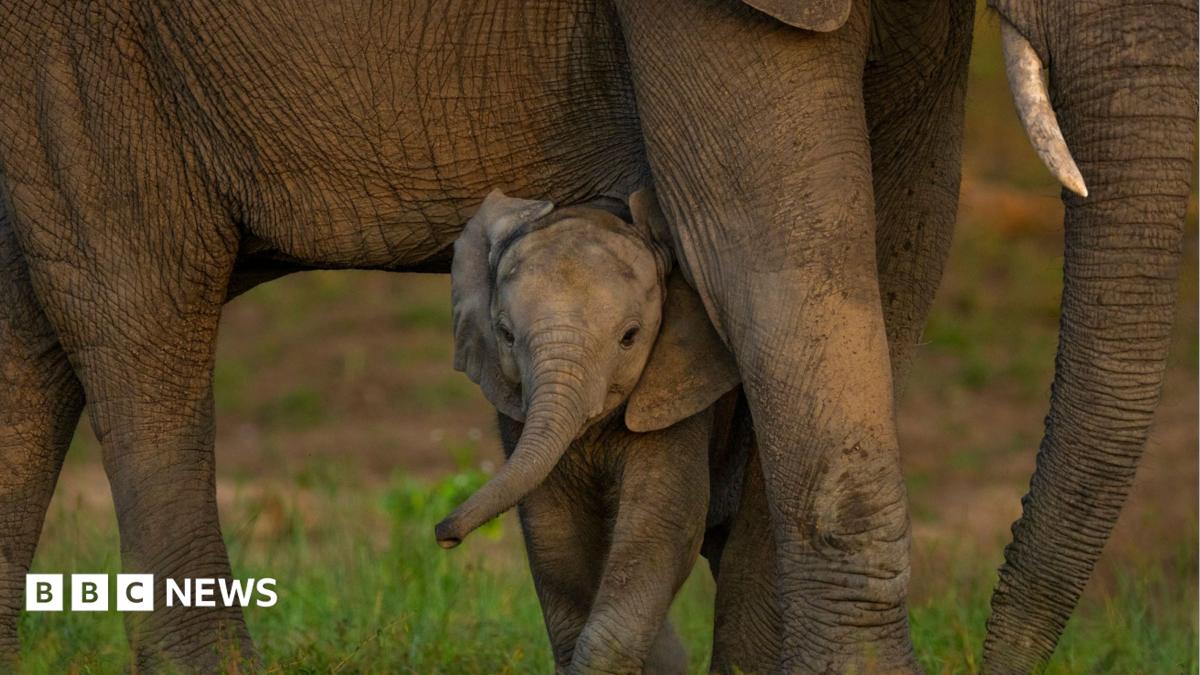
Countries have brought 623 million acres (252 million hectares) of degraded land into protection—an area larger than Greenland. Last month, WWF praised conservation efforts that have helped key species, including elephants, green sea turtles and tigers, to recover.
Countries recognize that funding is the main barrier to accelerating these efforts.
In 2022, they agreed to spend $30bn (£22.4bn) on nature restoration by the end of this decade and to mobilize a further $170bn from private finance.
However, years later, many countries have redirected international aid towards defense budgets and dealing with repeated energy shocks. As a result, funding pledges remain below the level needed to meet the goal, according to the United Nations.
More than $1bn in donations was pledged at the meeting. Half of that funding came from philanthropists, including Leonardo DiCaprio’s Re:wild organization.
Source: www.bbc.co.uk