


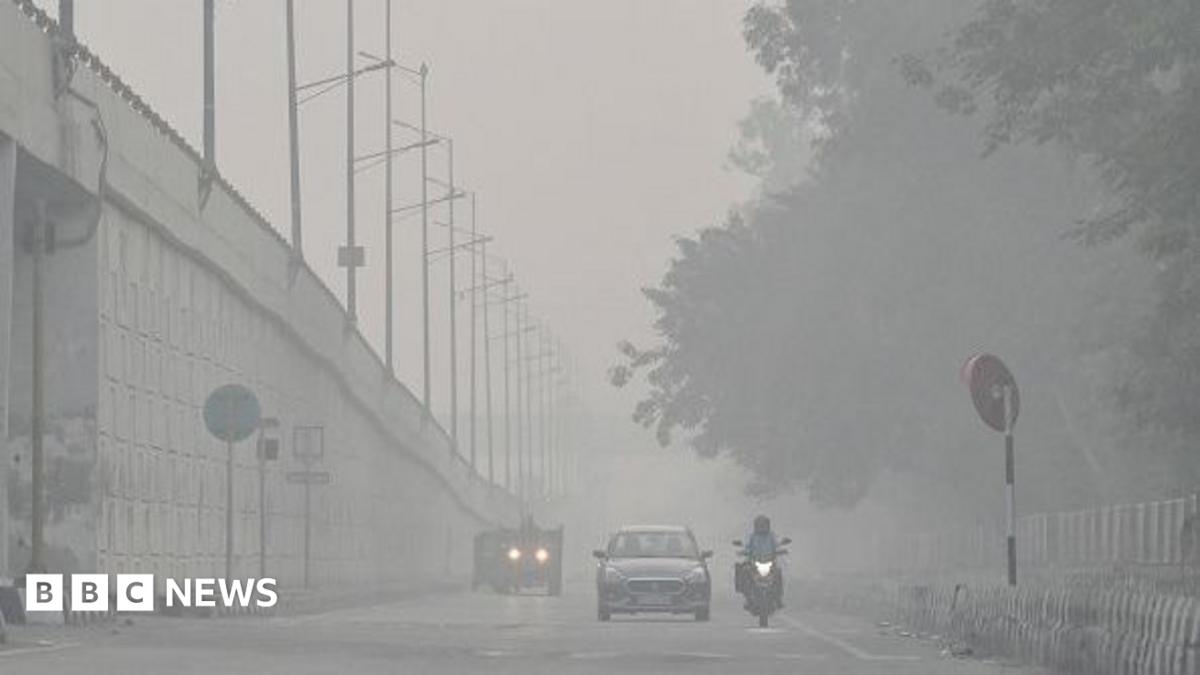
Delhi is again facing worsening air pollution as winter begins, with the city’s air quality index (AQI) rising above 300 into the “very poor” category. The conditions are raising health concerns for millions of residents, particularly children and older people, as Diwali approaches and seasonal factors threaten to further intensify the pollution.
Prolonged exposure to heavily polluted air can cause respiratory illnesses or worsen existing conditions. Authorities have responded by activating the second phase of the Graded Response Action Plan (GRAP), which includes measures to control dust, vehicle exhaust and other pollution sources.
Why pollution worsens in winter
Delhi and neighboring areas in northern India face dangerous air quality every winter, especially around Diwali, one of the country’s biggest festivals. The celebrations feature lights, lamps and fireworks, which can release particulates and harmful gases into the atmosphere and worsen already poor air quality in cities.
The annual pollution crisis is driven by a combination of vehicle exhaust, industrial emissions, lower temperatures, reduced wind speeds and the burning of crop stubble in neighboring states.
October was unusually clean overall, with Delhi recording its lowest average AQI for the month in eight years. However, pollution rose sharply during the month. Experts attributed the sudden deterioration to falling temperatures, slower winds and increased crop-residue burning in Punjab and Haryana.
Recent storms brought rain and strong winds that temporarily cleared the air. As conditions became calmer, northwest winds returned and carried smoke from burning fields toward the capital.
Delhi’s air quality reaches ‘very poor’ levels
India’s air pollution monitoring agency classifies AQI readings from 301 to 400 as “very poor”. Readings above 400 are considered “severe”. Delhi’s AQI was 377 on Wednesday morning.
The index takes eight major pollutants into account, including PM2.5. These particles are about one-thirtieth the width of a human hair and can penetrate deep into the lungs.
Source: www.bbc.co.uk