


Following the midterm collapse of the “Make America Healthy Again” movement, one of its top leaders blamed the losses on wealthier and more powerful opponents who spent more money. But an analysis of MAHA’s own financial records raises questions about whether winning elections was the group’s primary objective. The records show that Tony Lyons’ MAHA PAC spent more on allies, sponsors, meals, luxury goods, and affiliated nonprofits than on political candidates.
The spending pattern contrasts with Lyons’ announcement in the spring that the group would launch a $100 million fundraising strategy to increase MAHA’s influence in the midterm elections. According to Stat’s analysis, MAHA PAC received $3.2 million and spent more than $10.5 million during the campaign, with more than $7 million coming from funds raised previously.
Less than one-tenth of that $10.5 million—about $1 million—went toward messaging supporting political candidates. This category, known as “independent spending,” is a common way for political action committees to support candidates without coordinating directly with their campaigns.
Andrew Meyerson, a committee researcher at OpenSecrets, described the spending as “pretty unusual.” He explained that “major super PACs spend most of their money on independent spending.”
MAHA’s Spending Priorities
In some cases, the PAC’s limited political spending was dwarfed by its spending on luxury goods and hospitality. In a key House race in Northern California, MAHA endorsed Kevin Kiley over his opponent, pediatrician Richard Pan. The group described the contest as “the most direct ideological confrontation” between MAHA and its opponents “anywhere on the 2026 ballot.”
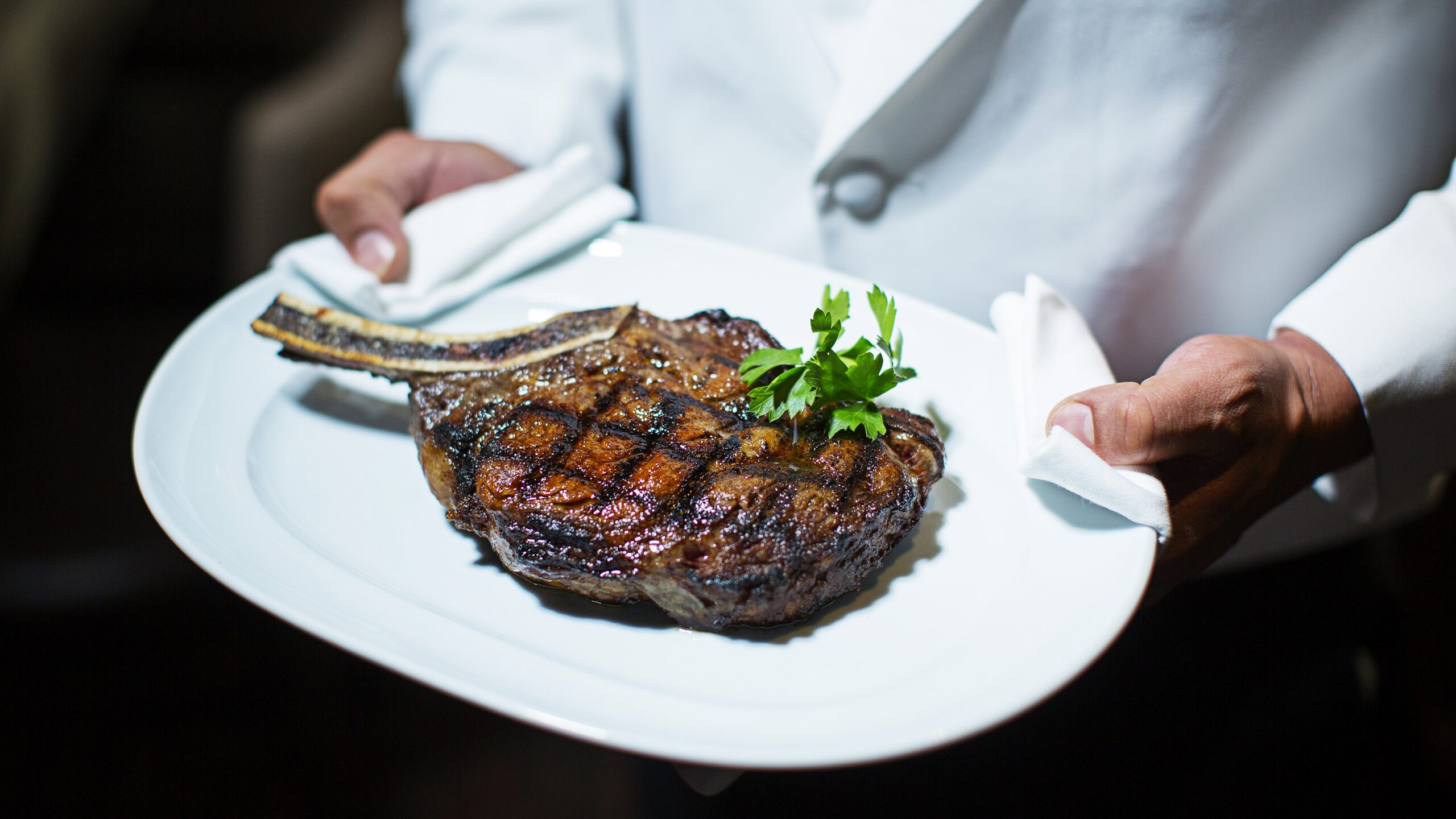
Despite that description, the PAC spent only $49,900 supporting Kiley. That was slightly less than the $50,100 spent at Mastro’s Steakhouse, an upscale Washington, D.C., restaurant where a porterhouse steak costs $110. The amount was also less than one-third of the $155,900 the PAC spent at Ned’s Club, an upscale club near the White House that has become a popular gathering place for Trump administration officials.
Source: arstechnica.com