


Recently, Colorado concluded its unrestricted fishing period at Antero Reservoir, where approximately 5 million sport fish, primarily trout, have been stocked since 2020. Discover the four trout limits.
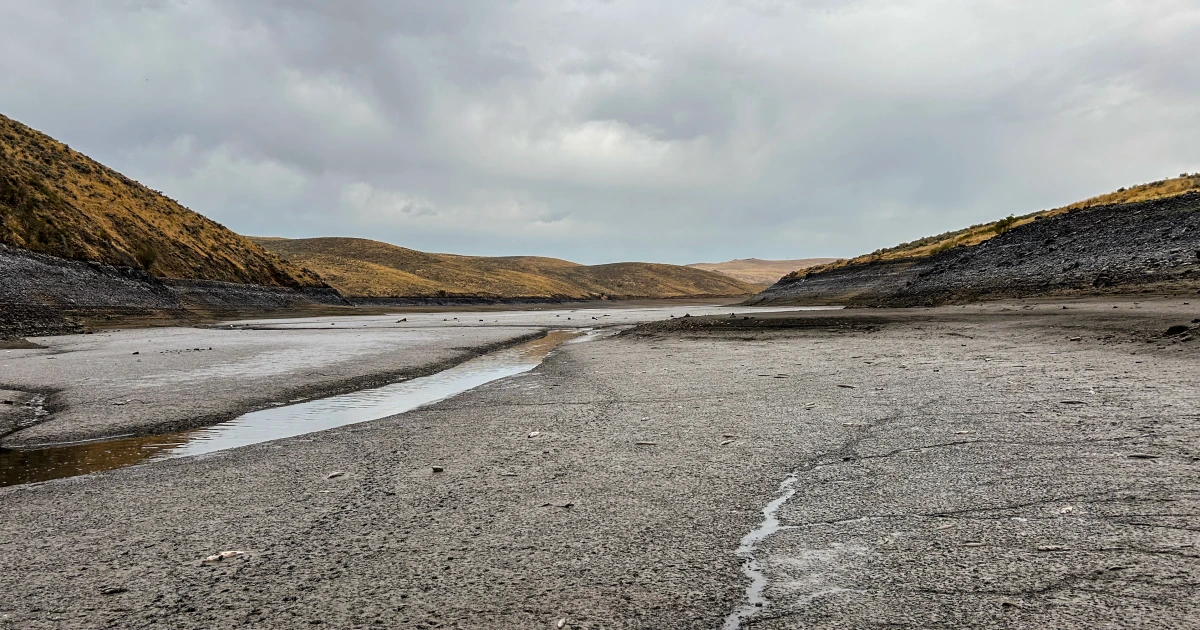
Operated by Denver Water, Antero Reservoir is being drained this summer to transfer water to another reservoir, minimizing evaporation loss. Due to its shallow and wide characteristics, Antero experiences the highest evaporation rates among utility systems. This strategic water transfer is expected to conserve enough water to fill 2,500 Olympic swimming pools.
“The public enjoyed fishing, but the area is currently closed as drainage has begun,” stated Colorado Parks and Wildlife Department spokeswoman Kara Van Hoose.
Van Hoose mentioned that fish biologists are employing screens to guide remaining fish to designated parts of the reservoir. While plans for subsequent actions are still uncertain, Van Hoose indicated that biologists might utilize electrofishing to stun some fish and relocate them to other water bodies.
However, some fish may not survive the transition.
“When the reservoir is depleted, fish are left behind, contributing to a natural cycle of life. They become a vital food source for our raptors, coyotes, and raccoons,” Van Hoose explained.
Jason Connolly/AFP from Getty Images File
Antero Reservoir last underwent drainage for maintenance in 2015, during which a “fish recall” was also executed, according to Van Hoose. Previous drainage occurred in 2002 due to a temporary fishing ban in response to drought conditions.
In related news, Utah has increased the allowed fish collection limits at two reservoirs: Claus Reservoir, located east of Salt Lake City, and Nine Mile Reservoir, to the south.
Research indicates that runoff from snow cover contributes to approximately 53% of the water supply. However, as of mid-May, most western states have experienced a significant reduction in snow cover., according to the National Integrated Drought Information System.
Four states reported their lowest peak snow levels ever: Wyoming, Utah, Colorado, and New Mexico. In Colorado, 100% of the state is experiencing drought, with approximately 40% classified under severe drought conditions, categorized as “extreme” or “exceptional” drought by the U.S. Drought Monitor.
By mid-May, 62 out of 73 snow stations in Oregon were at or near historic lows, with about 96% of the state experiencing drought conditions. This information is sourced from the U.S. Drought Monitor.
The implications of climate change continue to unfold, highlighting a long-term decline in snowfall.
Source: www.nbcnews.com