


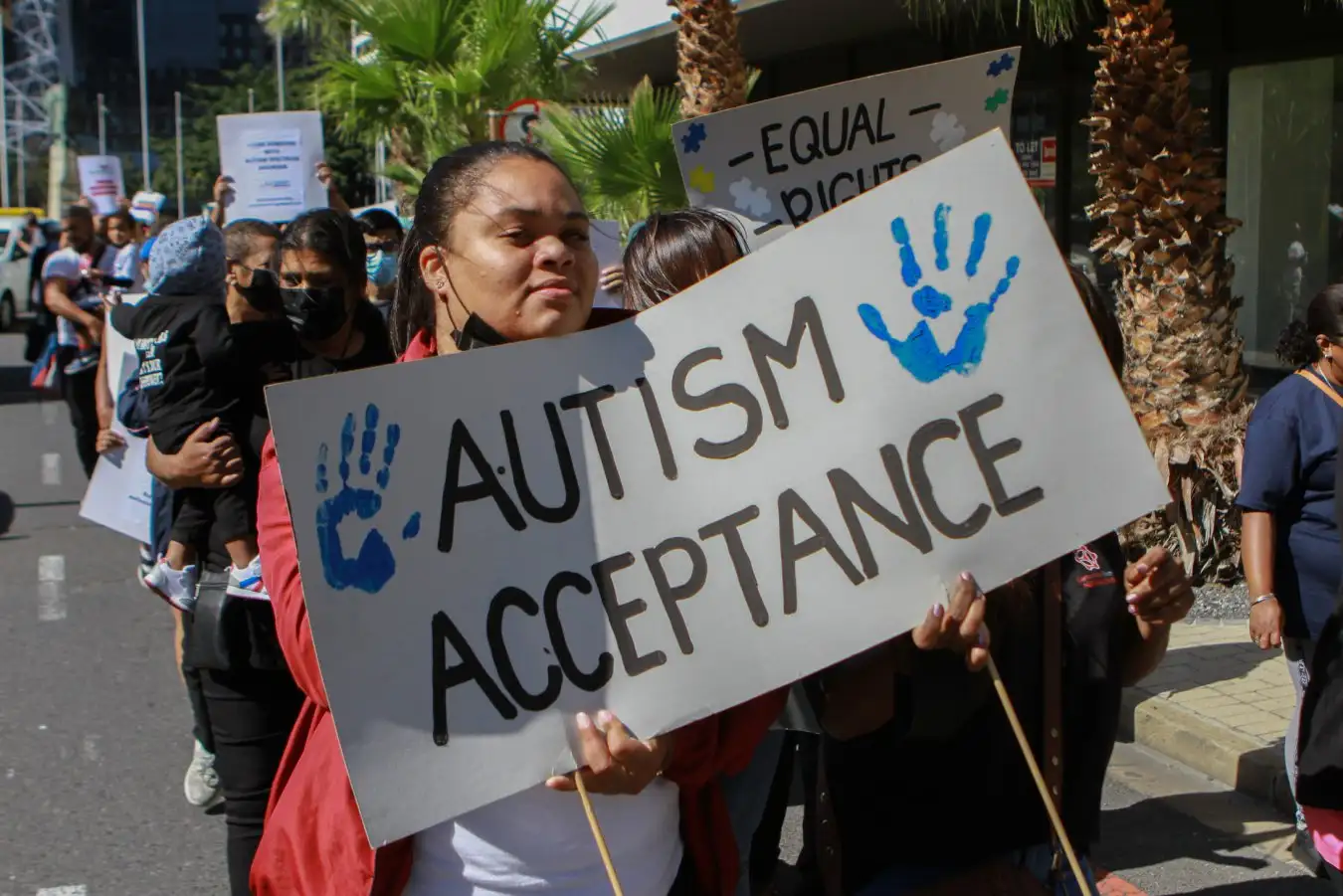

Heightened Awareness and Diminished Stigma Contributing to Increase in Autism and ADHD Diagnoses
Ziyaad Douglas/Gallo Images/Getty
Recent research sheds light on the factors driving the notable increase in ADHD and autism diagnoses. A large-scale study involving 140,000 participants in Denmark indicates that individuals diagnosed with ADHD or autism today possess fewer genetic variants than those diagnosed a decade ago. This suggests that the rise is likely linked to broadening diagnostic criteria rather than an overdiagnosis of these conditions.
Over the last 20 years, global diagnoses of autism and ADHD have surged by up to tenfold, especially among girls and adults. Various explanations account for this trend, including heightened awareness, expanded diagnostic standards, and even commercial interests of pharmaceutical companies and diagnostic clinics. Additionally, some researchers point to environmental shifts, such as increased screen time and unproven theories linking childhood vaccinations and prenatal paracetamol exposure to these conditions.
Genetics also plays a significant role. ADHD and autism are highly genetic, with recent studies revealing thousands of common genetic variants that subtly influence the likelihood of developing these traits.
Recent advancements in DNA analysis allow scientists to assess numerous genes to determine a person’s “polygenic risk score” for traits or conditions. Although high scores for ADHD or autism do not automatically indicate a diagnosis, Dr. Sonya LaBianca at Copenhagen University Hospital cautions that these scores do not capture the impacts of environmental, cultural, and social factors or rare genetic variants. However, as DNA composition in populations remains stable over a decade, these scores offer a benchmark for further investigation.
LaBianca and her team utilized genome-wide association studies from 2018 and 2019 to calculate polygenic risk scores for autism and ADHD in the iPSYCH Cohort Study, which included 140,000 individuals. Of that number, 37,000 received diagnoses between 1994 and 2016. They also examined polygenic scores for various mental health conditions, including depression, as well as personality traits associated with ADHD-like traits.
The research explored three possible explanations for the increased rates of ADHD and autism. The first hypothesis suggests the diagnostic threshold has lowered due to more inclusive criteria; the second posits that individuals previously diagnosed with other mental health issues are now recognized as neurodivergent; and the third asserts that enhanced awareness has led to better identification of individuals who previously fell through the cracks.
Findings showed that recently diagnosed individuals had significantly lower polygenic risk scores for both ADHD and autism compared to earlier diagnoses, along with lower scores for mental health conditions and traits associated with ADHD-related behaviors, such as impulsivity. This change suggests that the criteria for diagnosis have expanded beyond those with the most pronounced characteristics and highest genetic risk scores. LaBianca concludes that the primary reason for the increase in diagnoses is an expansion of diagnostic criteria, alongside heightened awareness and reduced stigma, although data supporting these notions is still limited.
Despite the potential appearance of overdiagnosis, LaBianca emphasizes that even the group with the lowest polygenic scores still contained more risk variants than the neurotypical control group. “This supports our conclusion that we are not overdiagnosing,” she notes. “I would only use this term if we were diagnosing individuals at the same polygenic level as the general population.”
Tinka Polderman, a professor at Vrije Universiteit Amsterdam, agrees that the expansion of diagnostic criteria likely accounts for the rising rates but warns against viewing genetics and environment as mutually exclusive. “Polygenic risk scores provide just one piece of the puzzle,” she states.
“As more individuals seek assistance for these conditions, it’s crucial to consider other risk factors if a person exhibits low genetic predisposition,” LaBianca concludes.
Topic:
Source: www.newscientist.com