


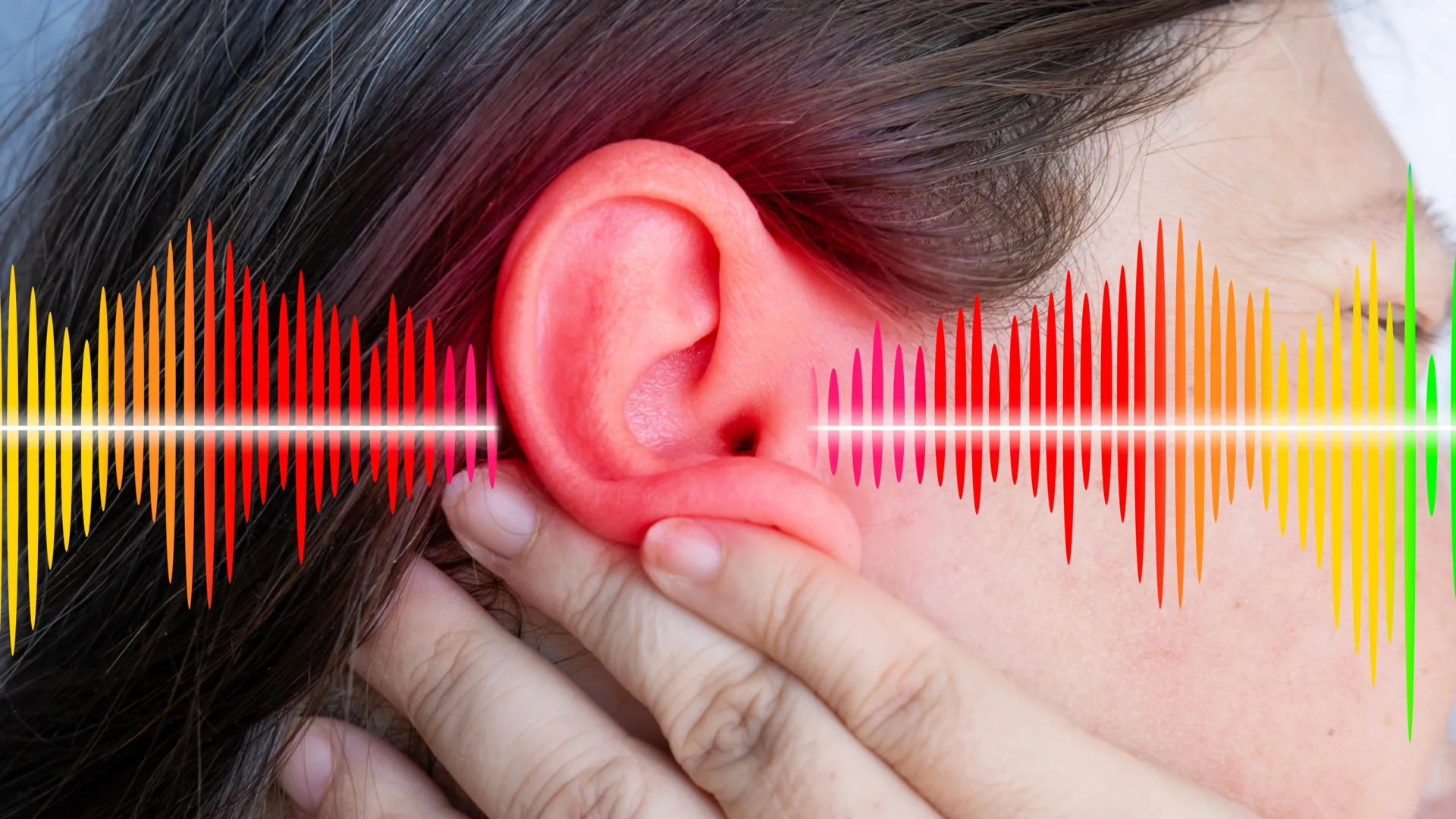
A small device that delivers gentle electrical pulses to the ear may offer a new way to help treat difficult-to-control high blood pressure. In the SCRATCH-HTN clinical trial, led by researchers at Queen Mary University of London, the technology was safe, generally comfortable and practical for patients to use at home. Although it did not significantly lower blood pressure compared with a placebo device across all participants, patients with more severe hypertension experienced promising reductions that require confirmation in larger studies.
How ear nerve stimulation may lower blood pressure
The experimental treatment uses a technique called transcutaneous autonomic modulation (tAN), which aims to influence the autonomic nervous system. This network automatically controls important bodily functions, including heart rate, digestion and blood pressure.
By sending gentle electrical signals to nerves in the ear, researchers hope to affect the body’s natural mechanisms for regulating blood pressure without invasive procedures.
Developed by Afferent Medical Solutions, the handheld device uses two small clips placed on the tragus, a flap of cartilage just in front of the ear canal. The clips deliver mild electrical stimulation, allowing patients to carry out the treatment themselves at home rather than visiting a clinic.
Clinical trial tested the device on 63 patients
Funded by the National Institute for Health Research (NIHR), the clinical trial involved 63 people with uncontrolled high blood pressure. All participants were taking at least one blood-pressure-lowering medication, but their readings remained above recommended levels.
The researchers randomly assigned participants to two groups. One group received active nerve stimulation, while the other used a sham device for comparison. This design helped the researchers determine whether electrical stimulation provided benefits beyond those associated with using the device itself.
Participants used their assigned devices for 30 minutes each day during the first two weeks. For the following 10 weeks, they reduced the sessions to once a week.
The treatment was safe and generally comfortable. Most participants also followed the prescribed schedule, suggesting that the technology may be practical for regular use at home.
However, when the researchers compared blood-pressure changes across the entire study population, they found no statistically significant difference between the active-stimulation and sham-device groups.
Promising results in patients with severe hypertension
Although the trial found no significant benefit overall, the researchers identified a potentially important result among participants who began the study with more severe hypertension.
A pre-specified subgroup analysis—meaning the comparison was planned before the researchers examined the results—showed that these patients experienced a greater reduction in blood pressure with active nerve stimulation than with the sham treatment.
The finding raises the possibility that the technique may be more effective for people whose blood pressure is particularly difficult to control. However, the trial was relatively small, and the subgroup results must be confirmed in larger studies before conclusions can be drawn about the treatment’s effectiveness.
Dr Ajay Gupta, principal investigator, clinical lead at Queen Mary University of London and consultant physician at Barts Health NHS Trust, said:
“This is an exciting and well-accepted technology that could ultimately provide an inexpensive, scalable solution to millions of people. Although the trial did not achieve significance across a broad unselected group, in patients with more severe hypertension, it showed clear blood pressure reductions in the active group compared to the sham group.”
“As the first and most thorough study of its kind, this study points to important new research directions that may help us understand whether non-invasive neuromodulation can benefit specific groups of patients with uncontrolled hypertension.”
A potential option for difficult-to-control blood pressure
High blood pressure, or hypertension, is a major cause of cardiovascular disease and increases the risk of heart attack and stroke. Over time, it places additional strain on the blood vessels and heart, potentially causing serious damage.
Medication helps many patients manage the condition, but a significant number continue to have blood-pressure readings above recommended targets despite treatment.
This challenge has led scientists to investigate additional approaches that could complement existing therapies.
Auricular nerve stimulation is one possibility. The device is small, non-surgical and designed for home use, so it could become a useful option if future studies show that it can reliably lower blood pressure in certain patients.
For now, the findings represent an early-stage discovery rather than evidence of an effective new treatment. The researchers say larger clinical trials are needed to confirm the promising results in patients with severe hypertension and to determine which groups, if any, are most likely to benefit.
Source: www.sciencedaily.com