


Shaquille O’Neal on Cybersecurity, Digital Privacy and the Scam That Changed His Habits
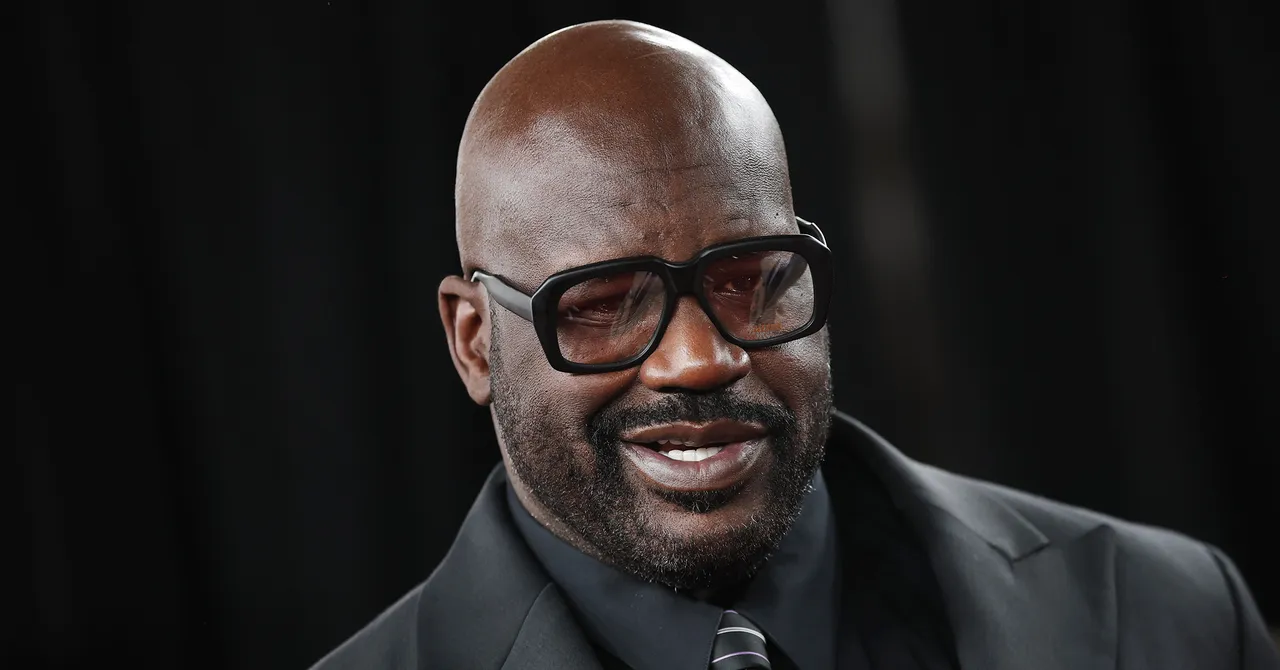
in promotion At a NordVPN event in Times Square on Wednesday, brand ambassador Shaquille O’Neal urged the public to take digital security and personal privacy more seriously.
Shaq wants people to control their personal information
“I have a video of me punching Charles Barkley and I don’t want the world to see it. It was a joke,” O’Neal said. “But everyone needs to be in control of their information.”
O’Neal said he realized he needed to learn more about cybersecurity and digital defense after becoming the target of a scam involving someone who claimed to be interested in buying a home and appeared to be proceeding with a transaction.
“It was my first time being hacked, but it wasn’t a bad hack. I didn’t know what to do,” he told reporters. “So I had to look into it. Once that happened, I really had to start paying more attention, because you would think something like that would never happen to me, but it could happen to anyone.”
Why online privacy matters to high-profile people
O’Neal is not alone in facing digital threats. The four-time NBA champion and media personality said he does not keep sensitive data on his devices and tries to live as normal a life as possible.
However, when WIRED asked whether his high profile means he needs to take extra precautions to protect himself and his loved ones, O’Neal said, “Yes, I think about it all the time, but I try not to let it consume me, because if I let it consume me, it can drive me crazy. But I have to be able to react well when something happens.”
O’Neal and NordVPN focus on cybersecurity education
O’Neal, who has been an early adopter of AI and a prolific technology investor, emphasized that the goal of his relationship with NordVPN is to inform the public and help people protect themselves online. His early adoption of AI is part of his broader interest in technology.
NordVPN is best known for its VPN service, but the company also offers antivirus, threat detection and fraud protection products designed for consumers.
Marijus Briedis, NordVPN’s chief technology officer, said he was surprised by the company’s recent findings. A public opinion poll found that 73% of Americans are overconfident in traditional virus protection, believing it can protect them from threats ranging from identity theft to online tracking.
“The weakest link is between the computer and the chair, and I’ve been thinking about how to solve that problem,” Briedis told WIRED. “So what we’re doing right now is focusing on education, which is a really interesting question and how do we do that in the best way. That still haunts me in my dreams.”
Source: www.wired.com