


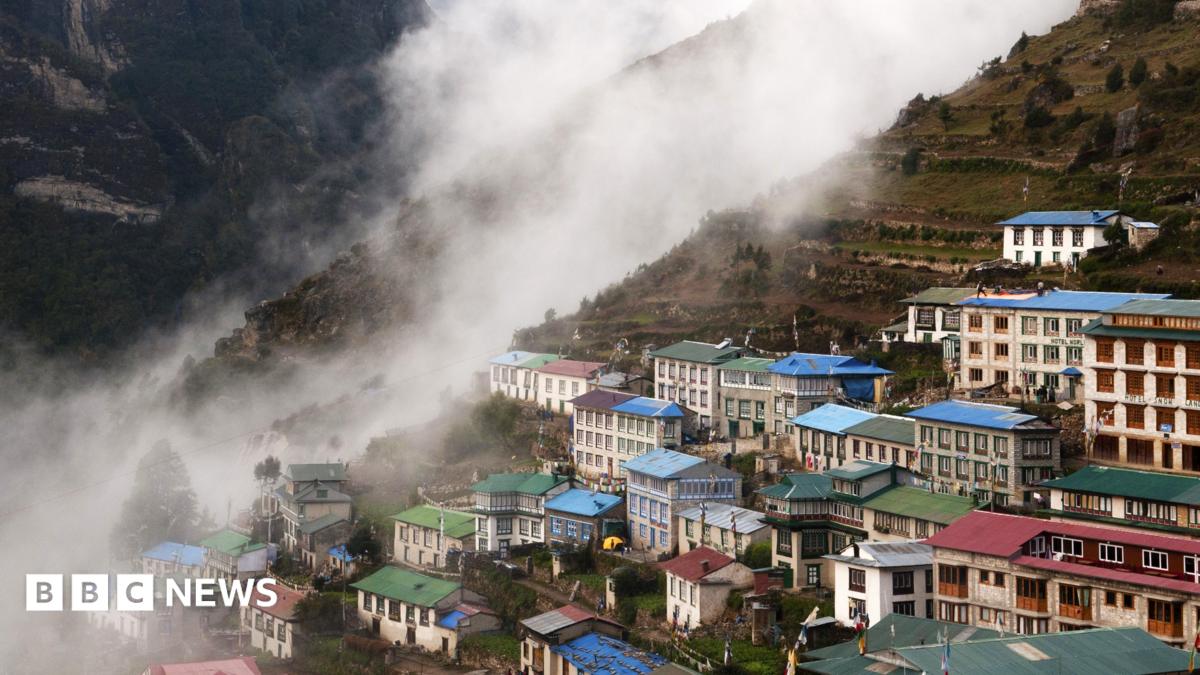
Experts say Nepal needs stronger planning, building enforcement and early-warning measures to reduce risks in fragile Himalayan river corridors, where roads, hydropower projects, hotels and market towns are expanding on vulnerable low-lying land.
Alton Byers, a mountain geographer at the University of Colorado who was not involved in the study, said it should serve as a “starting point” for establishing more effective early-warning systems and other preventive measures.
However, putting those measures in place will be difficult. Activists say building regulations have gone unenforced on the ground, while development has been haphazard in many areas for years.
Professor Surya Raj Acharya, an urban planning expert and registrar at Nepal University, said roads, hydropower projects, hotels and market towns are expanding on low, flat land along rivers because it is accessible and easier to build on.
Those responsible for the development often ignore safety measures, including guidance to keep buildings away from riverbanks, he added.
“Fragile ecosystems like the Himalayas require stricter planning and building regulations than other regions, but these rules are weak and poorly enforced,” Acharya said.
Authorities plan tighter riverbank restrictions
Nepali authorities said they are working to address the risks. Settlements within 15 meters (49 feet) of the riverbank along the recently destroyed Rasuwa-Botekoshi corridor will soon be prohibited, according to the National Disaster Authority. Similar rules are expected to be introduced in other river basins.
“This is a challenging job, as in many places people have emotional attachments to their land and property, but the increasing risks cannot be ignored,” said Dharam Raj Upreti, the authority’s chief executive officer.
Source: www.bbc.co.uk