


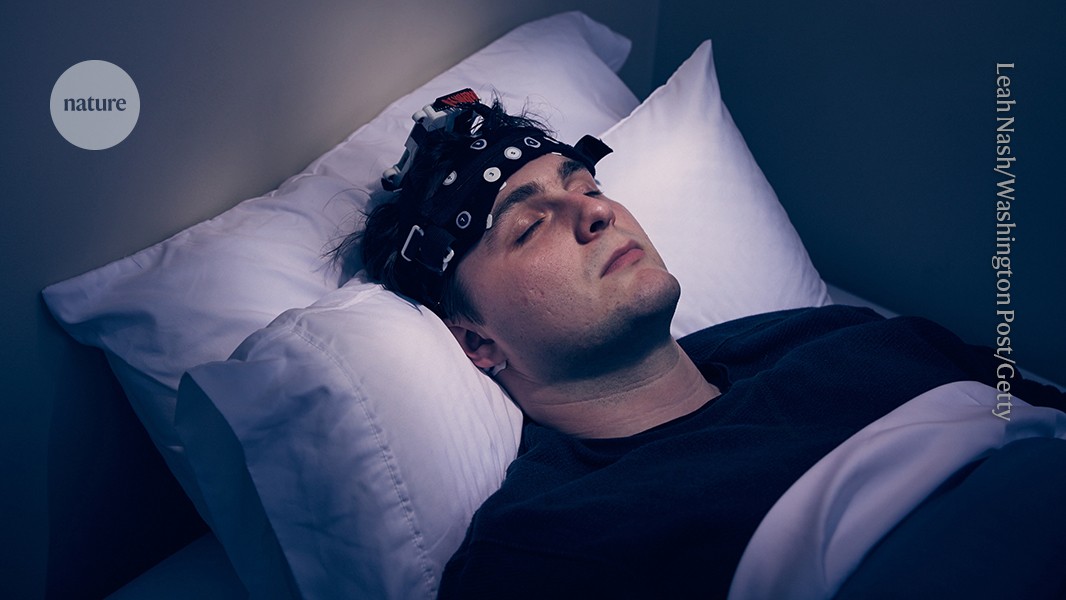
Fatigue behind the wheel can be as dangerous as drunk driving1. Yet while arriving at work intoxicated can result in dismissal, visible sleepiness and chronic sleep deprivation often do not carry the same consequences — at least not yet.
Too hot to sleep? How nighttime heatwaves affect our health
As employers become more aware of the productivity, health and safety costs of insufficient sleep, could sleep deprivation eventually be treated as a dismissible offense? And if technology can improve sleep and produce a wakefulness effect beyond a conventional night’s rest, might employers expect workers to use it? These questions are no longer purely hypothetical.
Early efforts to manage the workplace risks of sleep deprivation are already testing legal and ethical boundaries. In 2016, the Dutch data-protection authority investigated two companies that gave employees devices capable of tracking their activities, including their sleep patterns. go.nature.com/4wwnzzx; in Dutch). The agency ruled that collecting this information was impermissible because sleep data is sensitive health information. It also noted that employees’ consent could not be considered freely given because of the inherent power imbalance between workers and employers.
Governments, health systems and insurance companies increasingly view sleep as an important public-health indicator. At the same time, digital tools that provide detailed sleep monitoring are becoming more common and socially acceptable. Research and product development are also moving beyond sleep measurement and treatment towards technological sleep enhancement, potentially changing expectations about what constitutes healthy rest.
As institutions quantify sleep, governments frame it as a public-health priority and technology promises to optimize it, sleep becomes more than a personal lifestyle choice. New ethical and privacy concerns emerge.
When does institutional support for better sleep become an expectation? Who can access sleep-enhancement technologies, and who pays the price when people cannot sleep enough? Could an offer of better rest become a form of sophisticated workplace surveillance? Researchers, ethicists and policymakers should address these questions before sleep technologies become more advanced and widespread.
Why is sleep deprivation a problem?
Sleep supports essential aspects of human life, including cognition, physical health, productivity and emotional regulation. It also influences relationships, moral judgment and behaviour.2–4 Despite broad scientific agreement about the importance of rest, chronic sleep deprivation remains widespread.

What’s the best way to start your day? Science backs naked cartwheels in the sun
Sleep problems have been described as a global epidemic5. In some high-income countries, at least one-third of adults sleep fewer than the recommended minimum of seven hours per night6. Sleep deficiency is associated with cardiovascular disease, metabolic disorders, poor mental health, reduced cognitive performance and a higher risk of accidents3. Severe sleep disorders have also been reported in many low-income countries5. Globally, sleep deprivation costs hundreds of billions of US dollars each year through lost productivity and reduced economic output6.
Insomnia and other sleep disorders can be treated with cognitive behavioural therapy or medication. But inadequate sleep can also result from work schedules, workplace design, financial insecurity and social norms that determine when, how and for whom rest is available3,6.
When sleep deprivation is driven by shift work, financial concerns or pressure to remain constantly available, treating individuals primarily with medication may obscure the underlying social and workplace conditions that prevent adequate rest. Emerging sleep technologies make this issue even more complicated.
Sleep monitoring and enhancement technologies
Wearable devices are now widely used to track sleep and physiological signals, including heart rate and blood-oxygen levels. These devices typically display sleep summaries and long-term trends, while artificial intelligence tools are increasingly used to identify patterns and provide personalized recommendations7.
Users can change daily habits, such as bedtime routines or late-night caffeine consumption, and observe how those changes affect their sleep7. Wearable-based interventions might reduce sleep disturbances, but their effects on total sleep duration remain uncertain, and the quality of evidence for many outcomes is low8.
Other technologies aim to actively influence sleep. Non-invasive brain stimulators use scalp electrodes or magnetic fields to generate electrical currents and regulate brain activity during sleep. Sensory approaches use sound, gentle movement or scent to influence brain rhythms associated with deep sleep9.

Innovative technology helps promote relaxation.Credit: NMK-Studio/Shutterstock
These biohacking approaches seek to improve the restorative functions of sleep, including its timing, continuity, efficiency and potential healing effects. The aim is to support better health and stronger performance during waking hours.
However, evidence for meaningful real-world benefits remains limited. Many studies have been conducted in laboratory settings, and results vary according to the technology and research design. Ethical research on sleep enhancement is also still at an early stage. Previous debates have focused largely on enhancing wakefulness. Interventions intended to control sleep duration, reduce the amount of sleep people need or maintain performance during sleep deprivation may carry significant health risks10,11.
If research demonstrates clear benefits, sleep-enhancement technologies could become standardized and integrated into everyday life. Using them to improve sleep may seem less controversial than taking stimulants or accepting health risks to increase productivity. Nevertheless, these tools may come with important obligations and risks.
Ethical concerns surrounding sleep enhancement
Improving sleep quality can appear relatively harmless, similar to improving nutrition or exercising. Concerns about unnaturalness, authenticity and the value of achievement are more prominent in debates about enhancement in areas such as sport or cognitive performance11. These concerns may seem less relevant when the goal is simply to promote sleep.

The sleep paradox: Why do humans sleep so little when we need it so much?
However, sleep-enhancement tools that depend on continuous, passive data collection can monitor people while they are unconscious. This may seem like a minor obligation because sleeping users are not actively interacting with the technology.
That same feature could make it easier for healthcare organizations or employers to pressure people into using sleep technologies. Consider two workplace policies: one requires employees to use cognitive enhancers such as modafinil to remain alert11; the other requires workers to join a wearable-based sleep-optimization programme. The second policy might appear more acceptable, even though it could involve extensive and intrusive health surveillance.
Companies could readily cite scientific research to justify such programmes. For example, a four-week field experiment found that employees who wore headbands emitting precisely timed sounds during sleep reported greater engagement and improved work performance the following day12. It remains unclear whether those benefits extended beyond the workplace into employees’ personal lives.
Employers in safety-critical sectors, including healthcare, aviation and construction, may view sleep monitoring and enhancement as tools for reducing fatigue-related harm. A 2018 report on two UK rail-construction pilot projects recommended providing all employees with tracking devices13. During the trial, the devices generated predicted alertness scores before shifts, while anonymized data were shared with management.
Normalizing the routine collection of sleep data could also make it easier for organizations to expand body monitoring to stress, fitness and other health-related measures14. These concerns are not arguments against supporting healthy sleep. Instead, researchers and policymakers should look beyond sleep metrics and workplace performance to consider how interventions affect people’s broader well-being15 and whether they respect individual rights. Oversight is especially important in safety-sensitive environments, where technologically enhanced rest could eventually be treated as a professional responsibility to protect others11.
Responsible governance priorities
Source: www.nature.com