


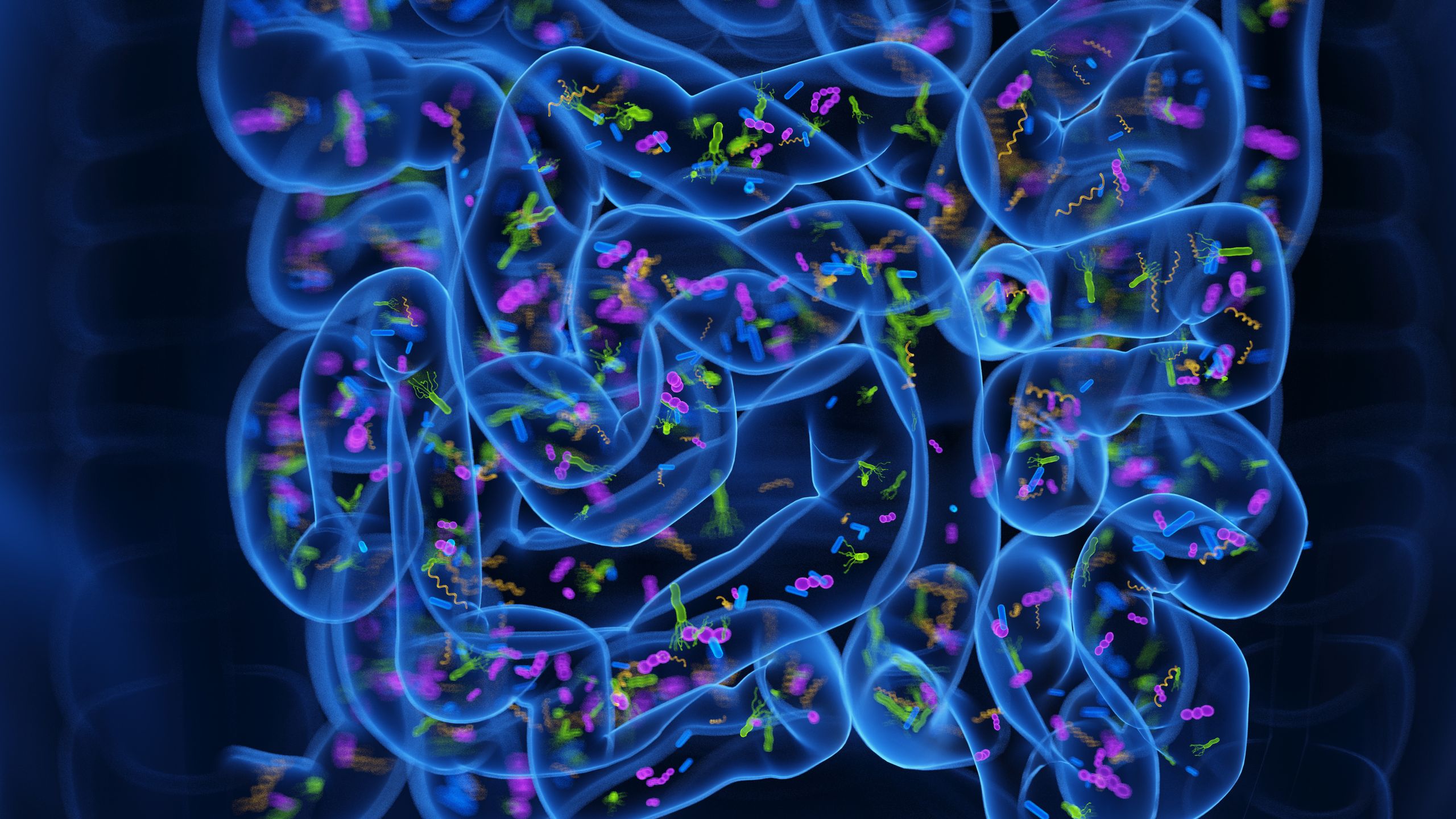
A fecal microbiota transplant (FMT), sometimes called a “poop transplant,” may improve sleep in adults with chronic insomnia, according to a small randomized clinical trial.
One month after treatment, participants who received FMT had a more diverse gut microbiome and improved sleep efficiency — the percentage of time spent asleep while in bed — compared with people who received a placebo. The findings were published July 22 in the Journal of Internal Medicine.
If larger studies confirm that fecal microbiota transplantation is safe and effective for insomnia, it could eventually complement established treatments such as sleeping pills and cognitive behavioral therapy (CBT).
The results support growing evidence that the gut microbiome may influence the body’s sleep-wake cycle, said Dr. David Gozal, a pediatric sleep specialist at Marshall University in West Virginia who was not involved in the research.
However, the findings should be viewed as “promising proof-of-concept evidence,” rather than proof that FMT is ready to become a routine insomnia treatment, Kenji Hashimoto, a forensic mental health researcher at Chiba University in China who was not involved in the study, told Live Science in an email.
Can “poop pills” improve sleep?
The trial involved 80 adults with chronic insomnia who were treated at seven hospitals in China. Participants did not have other conditions, including migraine or obstructive sleep apnea, that might have affected the results.
Half of the participants first took antibiotics for two days to reduce some of their existing gut bacteria. They then swallowed 60 capsules containing bacteria obtained from fecal samples donated by healthy people who were confirmed to sleep well. Two weeks later, participants received a booster dose of 20 capsules.
Get the world’s most fascinating discoveries delivered straight to your inbox.
The remaining participants received placebo pills instead of the antibiotics and FMT capsules.
Researchers evaluated sleep using polysomnography, an overnight test that tracks brain waves, eye movements, heart rate, oxygen levels and breathing. In the FMT group, average sleep efficiency increased from 79% before treatment to 93% one month afterward. The placebo group changed only slightly, from approximately 85% to 87%.
Participants who received FMT also spent less time awake after falling asleep. Their wake time dropped from 79 minutes to 17 minutes, while the placebo group’s wake time increased from 37 minutes to 42 minutes.
Questionnaire responses suggested that the sleep benefits continued for between two and six months after treatment.
It is encouraging that FMT appeared to improve both objective sleep measurements and participants’ own assessments of their insomnia, said Harriët Schellekens, a neuroscientist and microbiome researcher at University College Cork in Ireland who was not involved in the study.
Several sleep measurements improved more in the FMT group than in the placebo group.
(Image credit: Kilito Chan via Getty Images)
How the gut microbiome may affect sleep
The treatment also appeared to be well tolerated. Only three of the 40 participants who received FMT reported side effects, which were mild and included nausea and a short-lived fever.
Still, experts emphasized several limitations. The study was small and included relatively healthy adults in China, meaning the results may not apply to everyone with insomnia. Sleep was assessed only once after treatment, at the one-month point, Hashimoto said. In addition, because participants received both antibiotics and FMT, researchers cannot determine how much of the improvement came from the donor bacteria alone.
The study also examined the gut microbiome in isolation. “Microbial communities in other parts of the body,” particularly the mouth and nose, may influence sleep through immune, metabolic and nervous-system pathways, Hashimoto said.
The gut and brain communicate through several pathways, including chemicals produced by gut microbes that can enter the bloodstream and affect the brain. These substances may influence inflammation, stress responses and the body’s sleep-wake control.
Changes in gut bacteria may affect the production of these chemicals and alter the gut barrier, potentially influencing sleep patterns, Gozal said. The relationship may also work in reverse: poor sleep can change the gut microbiome. “The question is, what came first?” he said — an altered microbiome contributing to insomnia, or insomnia disrupting the microbiome.
In this trial, the gut microbiome changed substantially in the FMT group but remained relatively stable in the placebo group. Several bacterial groups increased after treatment, while others declined, suggesting that FMT can reshape the gut microbiome.
Not every participant responded to FMT. People who responded and those who did not differed mainly in their gut microbiome before treatment, rather than afterward. This finding suggests that a person’s starting microbiome may help determine how effective FMT is.
Gozal said future studies should measure chemicals produced by gut bacteria before and after FMT to determine whether those changes are linked to better sleep.
More research is needed to explain how FMT might improve insomnia, Schellekens said. For now, “FMT remains an experimental approach for insomnia and is not something that should be used outside carefully controlled clinical studies.”
The study’s researchers did not respond to a request for comment by the time of publication.
This article is for informational purposes only and is not meant to offer medical advice.
Gao, T., Liu, X., Mi, W., Shi, L., Wang, X., Zhu, D., … & Lu, L. (2026). Fecal microbiota transplantation-based treatment protocol for chronic insomnia disorder: A randomized, double-blind, placebo-controlled trial. Journal of Internal Medicine.
How much do you know about sleep and dreams? Find out with our sleep quiz!
Source: www.livescience.com