


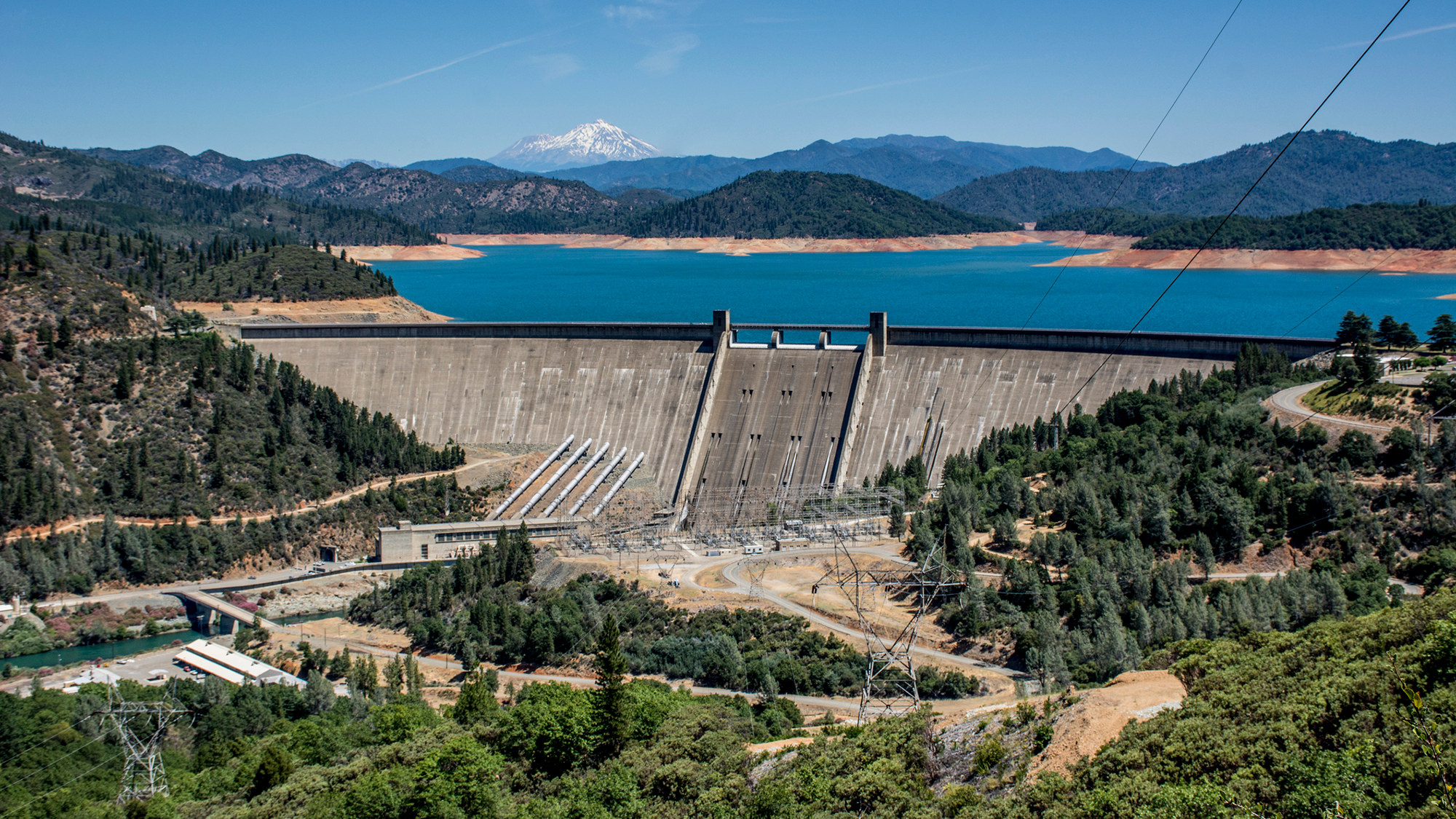
Dam Sedimentation Threatens Global Water Supplies, Study Warns
Reservoirs around the world are steadily filling with soil, silt and rock. This process, known as dam sedimentation, reduces the amount of water reservoirs can store and may increase risks for communities living downstream.
A global study found that nearly one in five reservoirs is already at high risk of becoming filled with sediment. Without significant intervention, more than half of the world’s reservoirs could become functionally inoperable by 2060.
Sediment occupies space that was designed to hold water, reducing reservoir capacity and potentially placing additional pressure on dam structures. As reservoirs lose storage capacity, they may become less reliable sources of drinking water, irrigation and hydropower. In some cases, sediment accumulation may also threaten the safety of people living near or below dams.
“We are losing storage space in our reservoirs faster from sediment accumulation than we gain space from new dam construction,” Amy East, a geologist at the U.S. Geological Survey, told Live Science.
Latest Videos FromLive Science
What is dam sedimentation?
Dam sedimentation occurs when soil, sand, gravel and rock carried by rivers settle behind a dam. Rainfall naturally erodes hillsides and carries sediment into streams and rivers. Under normal conditions, that material moves through the river system, helping shape channels, create habitats and replenish coastal wetlands and estuaries.
In some regions, river sediment also acts as a natural fertilizer for farmland. But when a river is blocked by a dam, sediment can no longer travel downstream at the same rate. Instead, it accumulates in the reservoir and gradually reduces the amount of water the reservoir can hold.
A 2023 study published in Science identified sediment buildup as the greatest threat to water storage in existing reservoirs, ranking it as a larger concern than drought in many locations.
Researchers writing in Nature Sustainability assessed more than 550,000 reservoirs worldwide, including many small reservoirs measuring less than 0.4 square miles (1 square kilometer). Their findings provide a broader picture of the global sedimentation problem than earlier studies, which often focused on large dams.
The researchers found that sediment is reducing global reservoir storage capacity by approximately 7.3% every decade. They identified 16 global hotspots where sedimentation threatens water supplies for more than 2 billion people and affects over one-quarter of the world’s irrigated farmland.
One of those hotspots is the western United States, where steep terrain, wildfires and land-use changes can accelerate the movement of sediment into watersheds.
Reservoir sedimentation is particularly severe in areas with dense networks of small dams that support major agricultural regions. The study found that nearly 20% of reservoirs worldwide are at high risk of filling with sediment.
“Without intervention, we project that, by 2060, more than half of all reservoirs could become functionally inoperable,” the study authors wrote. Their projections include more than half of all small reservoirs and more than one-third of large reservoirs worldwide.
Where is dam sedimentation a problem in the U.S.?
North America has the second-largest number of reservoirs after Asia. Its sedimentation rate is approximately 7.8% per decade, higher than the global average. Only Oceania, at 9.9%, and South America, at 8.1%, have higher regional rates.
The United States has thousands of small dams, many of which receive less attention than major federal water projects. Matthias Kondolf, a geomorphologist at the University of California, Berkeley, said these smaller structures are often overlooked despite their importance to local communities and farms.
From the 1940s through the 1970s, the U.S. government encouraged the construction of numerous “farm ponds” and small dams. Many of these structures are now aging and accumulating sediment. In western Oklahoma, for example, some dams are filling with sediment without adequate monitoring systems to assess their condition and safety.
Some of these dams have already failed after major storms overwhelmed aging structures. A 2018 report found that since 1980, the United States has experienced an average of 24 dam failures each year.
The western United States is especially vulnerable because its steep landscapes produce more runoff and naturally deliver greater amounts of sediment to watersheds. Agriculture, logging and other activities that disturb soil can increase erosion and create sediment-producing hotspots in almost any region.
In California, more than half of small reservoirs in some maize-growing areas are losing more than 10% of their storage capacity to sediment each year. This threatens local water supplies and agricultural production.
Wildfires can increase the amount of sediment flowing into rivers and reservoirs.
(Image credit: DAVID SWANSON via Getty Images)
Wildfires add another serious risk. After a fire, vegetation no longer protects the soil, allowing rain to wash ash, debris and sediment into nearby waterways. A 2024 study in California found that much of the sediment created by post-fire erosion accumulated upstream of reservoirs rather than traveling directly toward the ocean.
Climate change is expected to intensify the problem. More frequent droughts, wildfires and extreme storms can increase erosion and deliver larger amounts of sediment to reservoirs. Dams are designed primarily to withstand water pressure, not the additional forces created by massive deposits of sediment. In earthquake-prone regions, sediment may also move differently from the concrete structure, increasing stress on the dam.
Many reservoirs are also approaching or exceeding their original design life. The combination of aging infrastructure, reduced storage capacity and more extreme weather events could increase risks for downstream communities.
“What do we do 50 or 100 years from now when we have all these reservoirs across the landscape filled with sediment, sitting there as ticking time bombs?” Kondolf said.
How can reservoir sedimentation be reduced?
For a reservoir to remain sustainable over the long term, the amount of sediment entering and leaving it must be kept in balance. Experts say the most effective solutions often begin upstream, before sediment reaches the dam.
“A big part of preventing reservoir sedimentation problems is upstream soil conservation in the watershed,” East said. Better agricultural practices, reforestation, erosion-control projects and responsible timber harvesting can reduce the amount of soil washed into rivers.
Managing sediment after it reaches a reservoir is more difficult and expensive. Some dams, including Fall Creek Dam in Oregon, include systems that allow engineers to release sediment downstream. However, many older reservoirs were not designed with sediment management or eventual decommissioning in mind.
Possible engineering solutions include retrofitting dams to flush sediment, constructing bypass channels for sediment-rich water and mechanically dredging deposits. These approaches can preserve storage capacity, but they are often costly and may require long-term maintenance.
Another strategy is to lower the reservoir’s water level and allow the river to carve a channel through accumulated sediment. In some cases, removing the dam entirely may be the most effective option.
Sediment concerns contributed to the decision to remove the Elwha and Glines Canyon dams in Washington state. After the removals, the Elwha River transported much of the stored sediment toward its mouth, helping restore natural river processes.
For smaller dams holding relatively little sediment, removal may be a practical solution. But releasing large quantities of sediment must be carefully managed because it can temporarily overwhelm rivers, damage aquatic habitats and disrupt downstream ecosystems.
Responsibility for dam safety and sediment management is divided among federal, state and local agencies. This fragmentation can make it difficult to coordinate inspections, funding and long-term planning. Some larger dams are overseen by federal agencies, while many smaller structures fall under state or local jurisdiction.
California has launched a state-sponsored program focused on improving dam safety and climate resilience, but smaller dams across the country often remain underfunded and poorly monitored.

The Elwha Dam in Washington state was removed to help restore the river system.
(Image credit: Tacoma News Tribune via Getty Images)
Reservoir sediment management was rarely included in the design and planning of many water projects built during the last century. As a result, future generations may be left with the financial and environmental costs of maintaining, modifying or removing those structures.
Reservoirs remain essential for drinking water, irrigation, flood control and electricity generation. But as sediment steadily reduces their capacity, protecting these benefits will require better watershed management, regular monitoring and long-term investment.
Without action, sediment-filled reservoirs could become an increasingly serious threat to water security, dam safety and communities downstream.
Source: www.livescience.com