


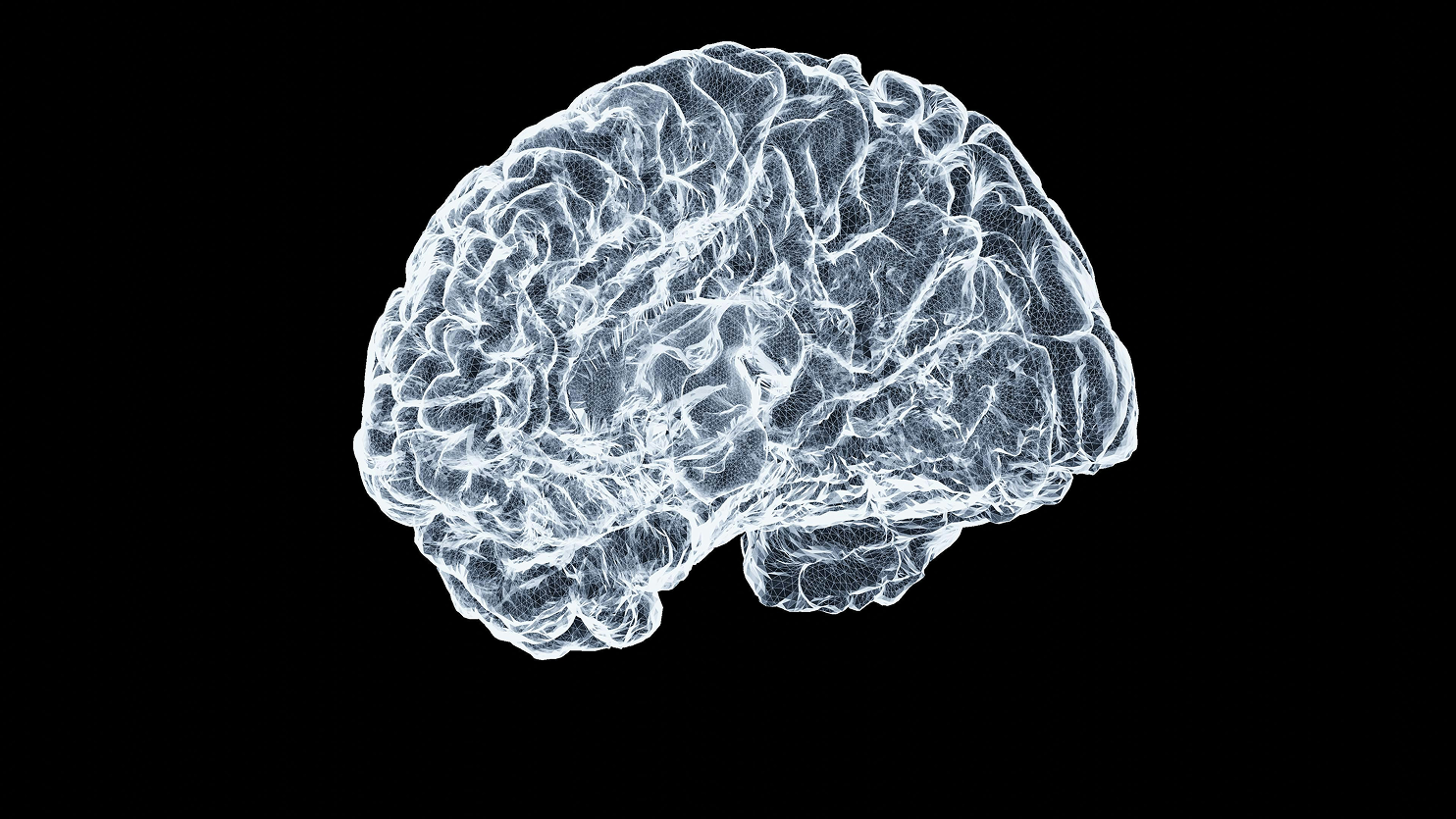
About 57 million people worldwide live with dementia, while researchers face a growing volume of fragmented data and too few experts to analyze it quickly. The Consortium for Biomedical Research and AI in Neurodegeneration (C-BRAIN), working with NVIDIA, is developing AI systems intended to make Alzheimer’s research faster by combining previously inaccessible data, accelerated computing and agent-based scientific tools.
Alzheimer’s disease remains one of the world’s major health challenges. More than 10 million new dementia cases are diagnosed each year. Although annual National Institutes of Health funding has increased sevenfold over the past 15 years to $3.9 billion, no treatment has yet been found that can stop, prevent or reverse the disease.
Researchers face several major bottlenecks: too few high-impact discoveries, data isolated in organizational silos and a research-synthesis process that cannot keep pace with published work.
Led by Dr. Randall Bateman, C-BRAIN and a consortium of 18 academic, philanthropic, pharmaceutical and research institutions launched in November 2025. The initiative aims to help scientists make faster, better-supported discoveries that can enable new treatments.
“We have an opportunity to leverage artificial intelligence to do fundamentally different research, accelerating discoveries to help patients,” said Bateman, C-BRAIN’s founder and director and the Charles F. and Joanne Knight Distinguished Professor of Neurology at Washington University School of Medicine in St. Louis. He described the initiative as developing “AI tools built by scientists for scientists.”
The consortium is building a system that can use previously untapped Alzheimer’s research data to support scientific investigation.
Turning weeks of research into hours
A key resource for Alzheimer’s research is data that has not previously been available to AI systems or, in some cases, to outside researchers. This includes unpublished findings, negative results and controlled proprietary data held by member institutions.
“A lot of life sciences data is not incorporated into frontier models,” said Dr. Ade Ojewole, C-BRAIN’s chief technology officer. “As a result, we end up leaving a lot of information on the table.”
C-BRAIN refers to this underused information as “dark data.” Its absence from research systems can slow progress in Alzheimer’s studies.
Some of the data is stored on secure computer systems so AI tools can access it without moving the underlying information. To protect patient privacy and comply with institutional governance requirements, C-BRAIN is using a hybrid centralized and federated approach. Under this model, an AI system can learn from data held at each facility without the data leaving that facility.
Building and scaling this type of infrastructure is technically demanding, which is one area where NVIDIA is contributing to the collaboration. C-BRAIN is currently running 64 NVIDIA Data Center GPU nodes across on-premises and cloud-based environments, including Microsoft Azure, with additional capacity from the NVIDIA Blackwell System.
To investigate how AI and accelerated computing can advance Alzheimer’s research, C-BRAIN is also working with NVIDIA’s NVIDIA BioNeMo open developer platform and the MONAI framework as part of its research pipeline.
“The collaboration between C-BRAIN and NVIDIA is aimed at unlocking these models in a way that can deliver something very impactful and important,” Bateman said.
“It will require significant optimization to push the limits of what today’s spatial-omics machine learning architectures can model,” Ojewole said. “There’s no doubt that NVIDIA software will play a role there.”
AI agents for scientific discovery
C-BRAIN researchers have already developed two tools: OpenScientist, created through an effort at Lawrence Berkeley National Laboratory led by research scientist Justin Reese, and InsightEngine, built by 387 Labs.
OpenScientist is an open-source agent-based collaborative scientist. It takes researchers’ questions and datasets, then semi-autonomously generates hypotheses and performs analyses to produce testable, auditable insights.
InsightEngine is an open-source research platform that uses agent AI to test hypotheses against scientific literature, analyze user-provided datasets, explore a biomedical knowledge graph and match claims with evidence. The goal is to identify potential hallucinations before researchers begin costly experiments.
In published case studies, OpenScientist completed analyses that domain scientists estimated would require weeks or months in just minutes, at a cost of less than $10 per analysis. C-BRAIN currently works with more than 200 research groups. The consortium says this capability could unlock substantial research capacity, with the potential to exceed 1 million hours per year at scale.
Moving from correlation to causation
C-BRAIN’s longer-term goal is to develop multimodal, biologically grounded models trained on a broad range of information. This includes neuroimaging, multi-omics, body-fluid biomarkers and long-term clinical measurements.
“By the third year, we aim to discover new causative mechanisms of brain aging and Alzheimer’s disease and move them into testable scientific principles using the full range of available research and data,” the initiative said.
Bateman said AI systems capable of thinking and reasoning could accelerate discoveries that lead to effective, actionable prevention strategies and treatments for entire populations.
Source: blogs.nvidia.com