


Climate Crisis Puts the World’s Best Surf Breaks at Risk, Study Finds
This story originally appeared in The Guardian as part of the Climate Desk collaboration.
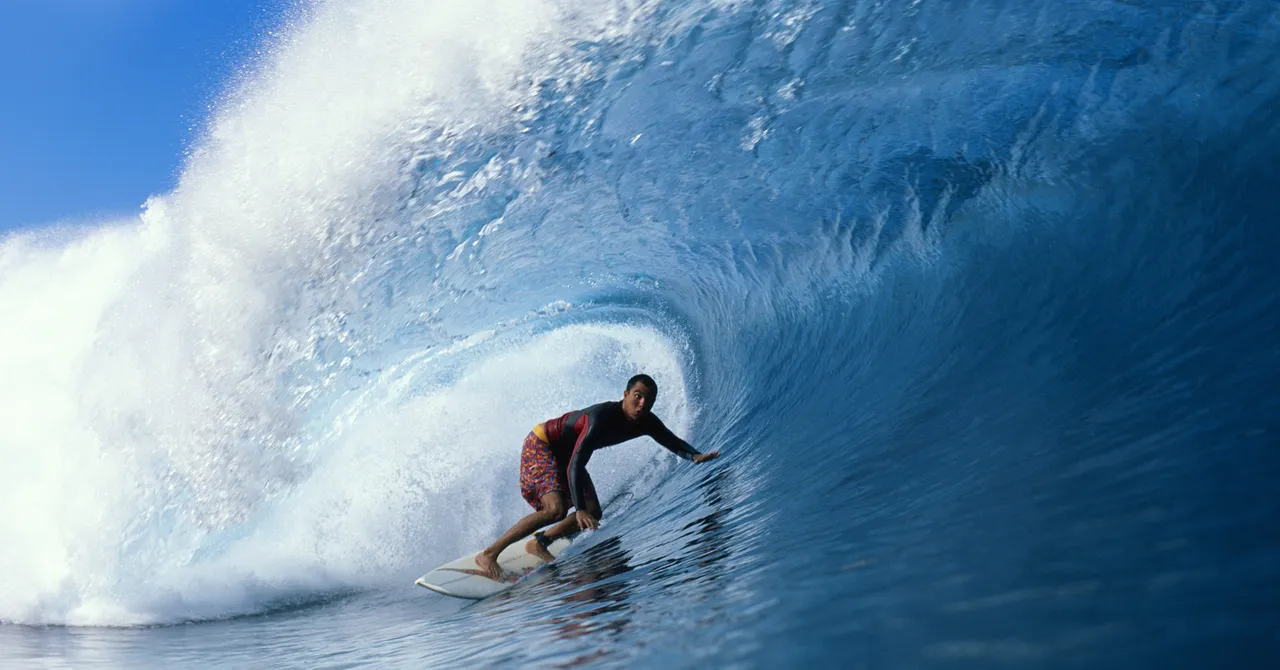
Climate crisis Rising sea levels could submerge some of the world’s best surf breaks, while coastal development threatens to destroy others. People travel from around the world to ride these waves, but the risks extend far beyond surfing.
More than three-quarters of famous surf breaks face high risks
An analysis of dozens of famous waves in the World Surfing Reserves found that more than three-quarters face high risks from changing tide levels, hardened coastlines and shifting sand.
The impact matters not only to surfers, but also to communities that depend on the multibillion-dollar surfing economy and are often located in places with few other economic opportunities.
The surf breaks identified as being at greatest risk include “Bomb Barrel” at Croyde Beach in North Devon, UK; point breaks in Noosa, Australia, and Oriente Salvaje, El Salvador; and California’s Santa Cruz Reef, Sewer Peak and Wind and Sea.
Why climate change threatens surf breaks
The world’s best surfing waves are created by a complex combination of seafloor shape, swell direction and tides. These factors must align precisely, making surf breaks highly sensitive to environmental changes.
“Surfing is an incredibly unique ocean phenomenon where all of these factors come together in the right way to create waves, so those processes are very sensitive,” said Dan Reinman, an associate professor at California State University, Channel Islands, and a co-author of the study.
Global warming is causing sea levels to rise and changing rainfall patterns. These changes can affect sediment movement, upsetting the delicate balance that creates waves. Researchers said local surfers’ knowledge could help protect threatened surf breaks.
Trent Hodges, a co-author of the study and senior program manager at the Save the Waves Coalition, which launched the World Surfing Reserves program in 2009, said climate change would affect surf breaks differently depending on their geography.
“We learned firsthand from local surfers how they see the waves changing,” Hodges said. “Changing waves often mean the beach is changing.”
The study, published in the journal Climatic Change, concluded that “climate change and coastal management both have significant negative impacts on the future viability of several globally important surf breaks and, in turn, on the myriad of different communities, cultures, and economies they support.”
Natural coastlines can make waves more resilient
Around 200 local experts analyzed 57 surf breaks, including all but two of the 13 World Surfing Reserves across eight countries. Researchers said thousands of other surfing waves worldwide face similar dangers.
A key finding was that coastlines with fewer artificial structures are better able to adapt to climate change. Natural beaches can move inland and redistribute sediment, while developments such as breakwaters, piers and groynes can reduce the resilience of beaches and waves, Reinman said.
North Devon’s surf economy faces an uncertain future
North Devon World Surfing Reserve co-founder Adam Hall was among the local surfers who contributed to the research.
“North Devon is very special. We have Thornton Sands, a world-famous longboard wave with a very long and gentle ride, and Croyde has the best beach break in the UK. We have left and right point breaks and sheltered areas for when it gets too windy. Whatever you want to do, we have it,” he said.
Hall said surfing is important to North Devon’s economy throughout the year, not just during the summer.
“Surfers come all year round. When the swells are good in January, February and March, the pubs, restaurants and car parks are full,” he said. “If you go to any other tourist destination without surfing, the surfers will die on their knees.”
Source: www.wired.com