


Mpox (Monkeypox): Symptoms, How It Spreads, Prevention, Vaccines and Treatment
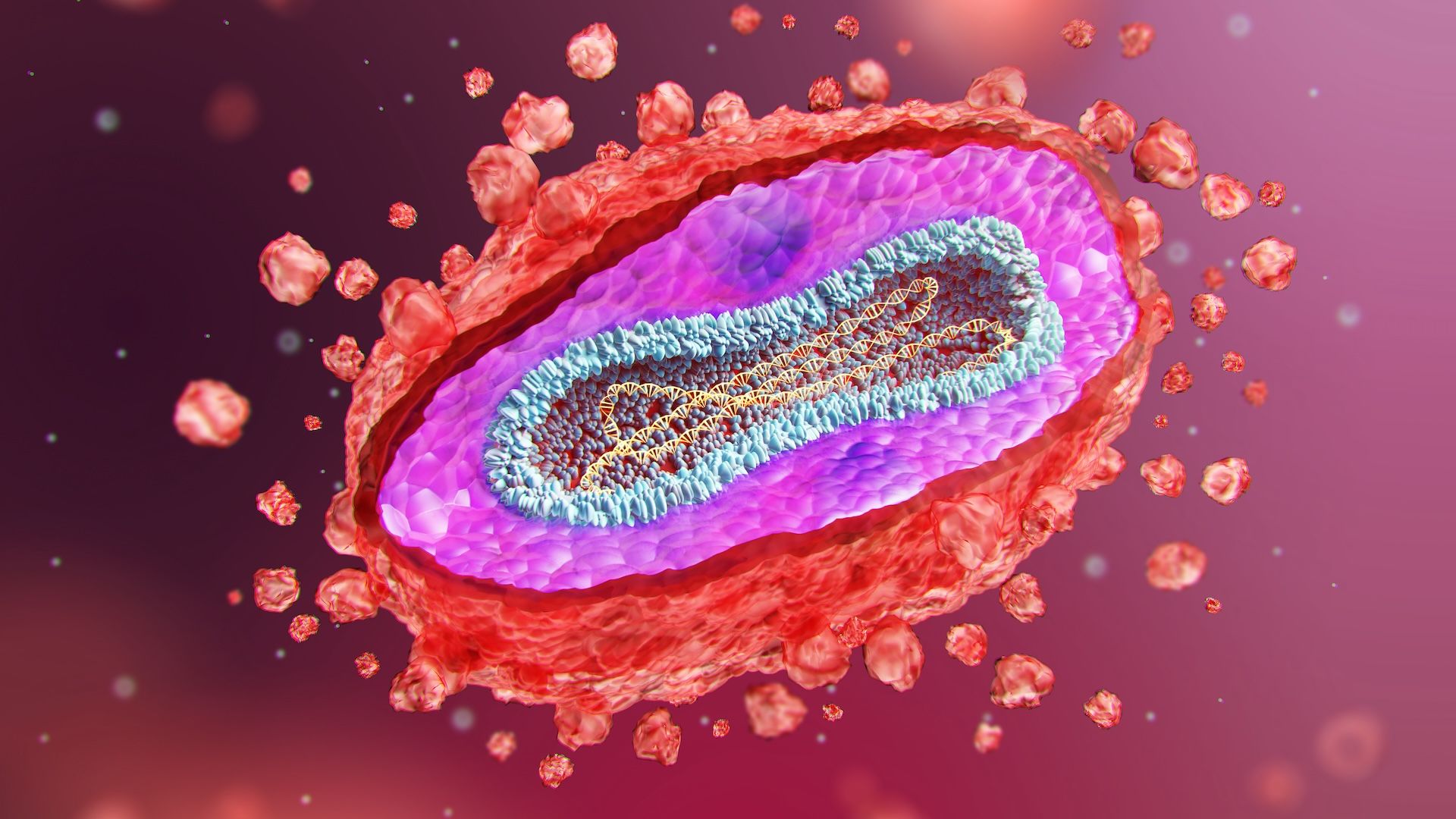
Mpox is an infectious disease caused by a poxvirus in the same family as smallpox. The disease was formerly known as monkeypox, but health officials renamed it mpox in 2022.
Mpox was historically endemic to Africa, where the virus spread consistently through central, eastern and western regions of the continent. In 2022, an unprecedented global outbreak led to widespread transmission in countries that had previously reported only sporadic cases.
Many countries continue to report mpox infections. The United States also continues to experience regional transmission. Here is what to know about mpox, including how it spreads, its symptoms, vaccination recommendations and ways to reduce the risk of infection.
What to know about mpox in the United States
Mpox remains prevalent at low levels in the United States. Although infections have fallen dramatically since the peak of the 2022 outbreak, some people are still advised to get vaccinated.
Mpox may eventually be considered endemic in the United States, meaning the disease could continue to circulate regularly within the country. The risk of infection is not the same for everyone, and vaccination recommendations focus on people who are more likely to be exposed.
Who should get vaccinated against mpox?
The mpox vaccine currently used in the United States is called JYNNEOS. One dose is estimated to be approximately 35% to 86% effective, while the efficacy of a complete two-dose series is estimated at 66% to 90%. Results vary among studies and may differ between people with and without HIV.
JYNNEOS is not currently recommended for routine vaccination of everyone. Because the overall risk is not high enough to justify universal vaccination, the vaccine is primarily recommended for people in groups with a higher likelihood of exposure.
The current outbreak has primarily affected men who have sex with men, and these sexual networks remain a key focus of JYNNEOS vaccination. However, not every man who has sex with men needs to be vaccinated.
The Centers for Disease Control and Prevention recommends vaccination for certain people, including those who have:
- Had multiple sexual partners
- Had sex at commercial sex venues
- Been diagnosed with another sexually transmitted infection within the past six months
Nonbinary and transgender people with these risk factors are also recommended to receive two doses of JYNNEOS. Their sexual partners may also be eligible if they belong to one of the groups listed above.
Vaccination is also recommended after a suspected exposure to mpox. Post-exposure vaccination can help prevent infection or reduce the severity of disease.
People who have received two doses of JYNNEOS are considered fully vaccinated and generally do not need booster shots, except in certain circumstances, such as for researchers working with mpox. People who previously had mpox and recovered generally do not need to receive the vaccine.
About the mpox virus
Mpox belongs to the Poxviridae family, which also includes the virus that causes smallpox. Smallpox was eradicated worldwide, and mpox is generally much milder than smallpox. However, because the viruses are closely related, vaccines designed to prevent smallpox can also provide protection against mpox.
The disease was originally called monkeypox because the virus was first identified in monkeys kept in captivity in Denmark. However, monkeys are not considered the main hosts of the virus in the wild. The virus is primarily associated with rodents and other small mammals in West and Central Africa.
Mpox has two major branches, or clades, known as clade I and clade II. Historically, clade I has been considered more lethal than clade II. Estimates of the clade I case fatality rate have ranged from 1.4% to more than 10%, while estimates for clade II have ranged from 0.1% to 3.6%.
However, case fatality rates can vary substantially between outbreaks. Health infrastructure, access to timely medical care and the prevalence of risk factors for severe disease can all influence the number of deaths. The case fatality rate is therefore not an unchanging characteristic of the virus.
How does mpox spread?
Mpox can spread from infected animals to people through bites, scratches or close contact with an animal’s body fluids. Exposure can occur during hunting, trapping, skinning, cooking or eating infected animals, as well as when handling animal carcasses.
Person-to-person transmission usually occurs through very close contact, including intimate contact during sex. The virus can enter the body through broken skin, the respiratory tract and mucous membranes, including the tissues of the eyes, nose, mouth, anus and genitals.
Mpox can spread through contact with body fluids such as saliva, mucus or blood. It can also spread through contaminated materials, including clothing, bedding and linens that have been in contact with an infected person’s body fluids, scabs or rash.
The virus may also spread through small droplets released when an infected person talks or breathes, although this is thought to be less common than transmission through close contact. Asymptomatic transmission may occur, but how often it happens remains unclear.
Mpox can also pass from a pregnant person to a baby during pregnancy or childbirth. This type of infection can result in miscarriage, stillbirth, newborn death or complications for the pregnant person.
Mpox symptoms
Symptoms usually appear within one week after exposure, but they can take up to 21 days to develop. Symptoms typically last two to four weeks, although they may last longer in people with weakened immune systems.
Common symptoms include:
- Rash
- Fever
- Sore throat
- Headache
- Muscle aches
- Back pain
- Swollen lymph nodes
- Low energy
The rash may begin as flat, discolored patches of skin and then develop into raised bumps, blisters, pus-filled lesions and scabs. The scabs eventually fall off. If mpox is acquired during sexual activity, the rash may appear around the genitals or anus rather than first appearing on the face.
Mpox rash lesions can look different at different stages and on different skin tones.
Image credit: Centers for Disease Control and Prevention, National Center for Emerging and Zoonotic Infectious Diseases
Some people develop painful swelling of the rectum, known as proctitis. Others may experience pain or difficulty urinating or swallowing.
Mpox rashes can increase the risk of bacterial skin infections, including abscesses and other serious skin damage. Additional complications can include pneumonia, corneal infections that may cause vision loss, vomiting, diarrhea, dehydration, malnutrition, blood infections, sepsis, encephalitis and myocarditis.
Children, pregnant people and people with weakened immune systems, including people with HIV, are at higher risk of severe mpox or death.
How to prevent mpox
Vaccination is one way to reduce the risk of mpox. Other prevention strategies include:
- Washing your hands frequently
- Avoiding contact with an infected person’s rash, scabs or body fluids
- Avoiding clothing, bedding and other materials contaminated with an infected person’s body fluids
- Using condoms during sex
Condoms can reduce the risk of exposure during sex, but they do not eliminate the risk because mpox can spread through contact with skin or lesions outside the area covered by a condom.
Mpox treatment
Treatment focuses on managing the rash and pain, supporting recovery and preventing complications. The World Health Organization recommends early supportive care to manage symptoms and reduce the risk of further problems.
No antiviral drug is specifically approved for mpox in some countries, but several antiviral medicines may be available for emergency or special use. In the United States, certain smallpox medicines may be used for mpox in appropriate circumstances.
Severe mpox infections may also be treated with intravenous vaccinia immune globulin, an antibody product obtained from the blood of people vaccinated against smallpox.
People recently exposed to mpox may be offered the JYNNEOS vaccine as post-exposure prophylaxis, or PEP. The vaccine should be given as soon as possible, ideally within four days of exposure. Vaccination four to 14 days after exposure may still provide some protection or reduce the severity of illness.
This article is for informational purposes only and does not provide medical advice.
Source: www.livescience.com