


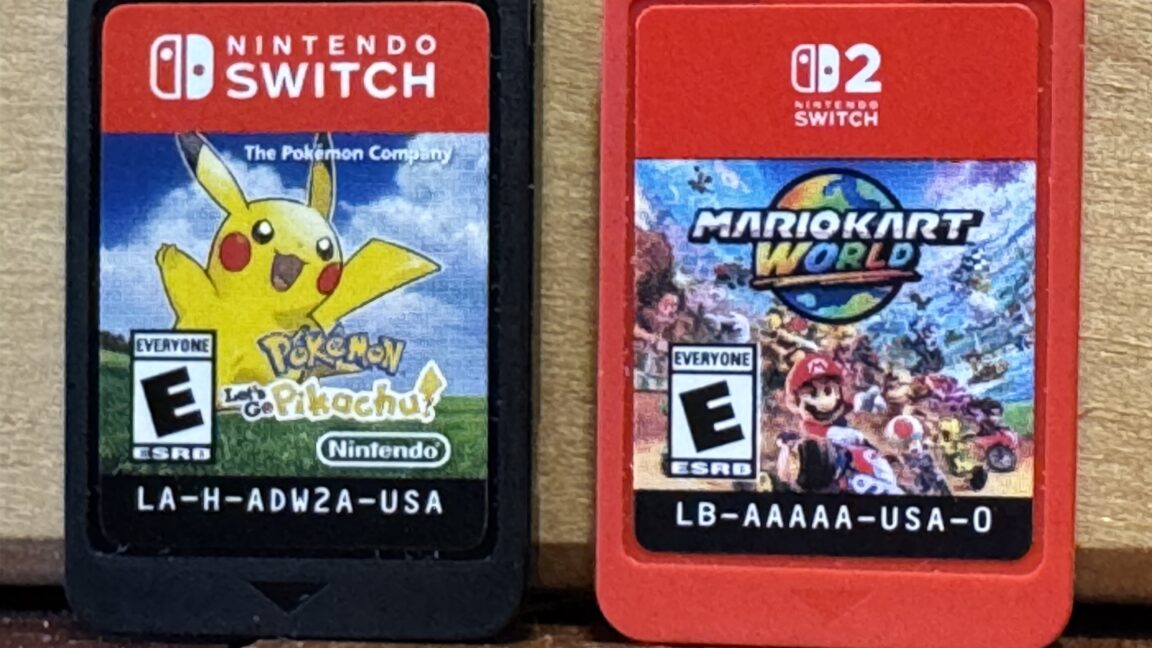
Nintendo is not planning to abandon physical game cartridges, but manufacturing them could become more expensive as the company depends on a shrinking pool of ROM-chip suppliers. The added costs may affect the prices of physical Switch games, although Nintendo’s growing digital-sales business could eventually reduce demand for cartridge production.
Nintendo says physical games are still part of its plans
Nintendo’s supply-chain challenges do not mean the company will follow Sony into a future without physical game production. Nintendo said last month that it has no plans to abandon game cartridges in the near future and recognizes how much fans value them.
However, producing those cartridges could become more expensive. Nintendo is now forced to rely on suppliers such as ROHM and LAPIS Semiconductor for the ROM chips that remain available.
Higher cartridge costs could affect game prices
The supply situation could have a knock-on effect on the prices publishers charge for physical Switch games. Earlier this year, Nintendo began pricing some physical releases higher than their equivalent digital downloads.
Last year, Japanese publisher Inin also discussed a full cartridge release of R-Type Dimensions III involving two smaller cartridges. The cartridges’ storage capacity was sized for Nintendo Switch 2, reducing the cost of manufacturing them.
Digital sales continue to grow
Meanwhile, Gibson notes that digital software sales accounted for 61.5% of Nintendo’s business in the second calendar quarter of 2026, up slightly from the previous year.
If that share continues to increase, demand for Nintendo’s ROM-based cartridges could decline. Over time, lower demand for physical media could help offset the higher costs associated with manufacturing the remaining cartridges.
Source: arstechnica.com