


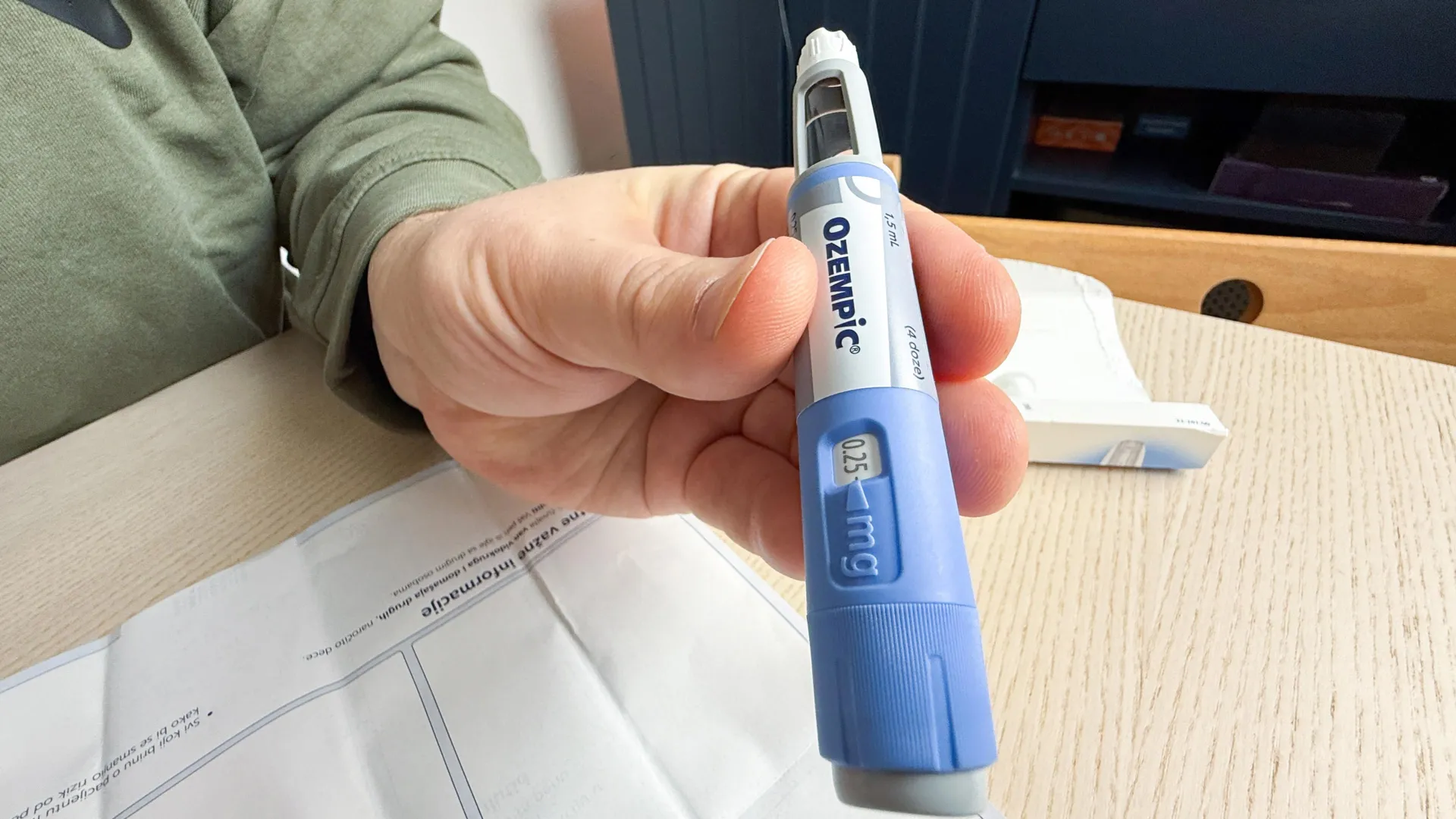
GLP-1 receptor agonists (GLP-1RAs), widely prescribed to manage type 2 diabetes and support weight loss, may also be linked to improved mental health outcomes in people with bipolar disorder, according to new research from Griffith University.
Diabetes, obesity, and bipolar disorder frequently occur together and may share common biological pathways. The World Health Organization estimates that approximately 1 in 200 people worldwide—around 37 million individuals—live with bipolar disorder.
Although GLP-1 medications are established treatments for diabetes and obesity, their potential impact on bipolar disorder and psychiatric hospitalization has remained unclear.
Study examines GLP-1 medications and bipolar disorder
To investigate the relationship, researchers led by Professor Mark Taylor from Griffith University’s School of Medicine and Dentistry analyzed nationwide Swedish health data. The study included approximately 15,000 people with bipolar disorder who were prescribed GLP-1 medications over a 15-year period.
“People with bipolar disorder taking the GLP-1 drug semaglutide, also known by brand names such as Ozempic and Wegovy, had significantly lower rates of psychiatric hospitalization than those who were not taking GLP-1 drugs,” Professor Taylor said.
“These findings add to growing evidence that GLP-1 receptor agonists may have effects beyond diabetes and obesity treatment and could represent a promising new area of bipolar disorder research.”
Researchers found that semaglutide use was associated with a 21 percent lower risk of psychiatric hospitalization compared with non-use of GLP-1 medications.
Semaglutide may influence brain-related biological processes
The findings suggest that GLP-1 signaling may influence biological processes linked to bipolar disorder, including inflammation and cellular stress. These effects could potentially support mood stability and reduce the risk of relapse, although further research is needed to determine whether the medication directly improves psychiatric outcomes.
However, the same association was not observed with every GLP-1 medication. Liraglutide and dulaglutide were not linked to a lower risk of psychiatric hospitalization, suggesting that potential mental health effects may differ among drugs in this class.
Professor Taylor said the findings should be evaluated in a randomized controlled trial to determine whether semaglutide itself can improve psychiatric outcomes for people with bipolar disorder.
The study, titled “Glucagon-like peptide 1 receptor agonist use and associated risk of hospitalization in bipolar disorder from a national cohort 2009–2024,” was published in Acta Psychiatrica Scandinavica.
Source: www.sciencedaily.com