


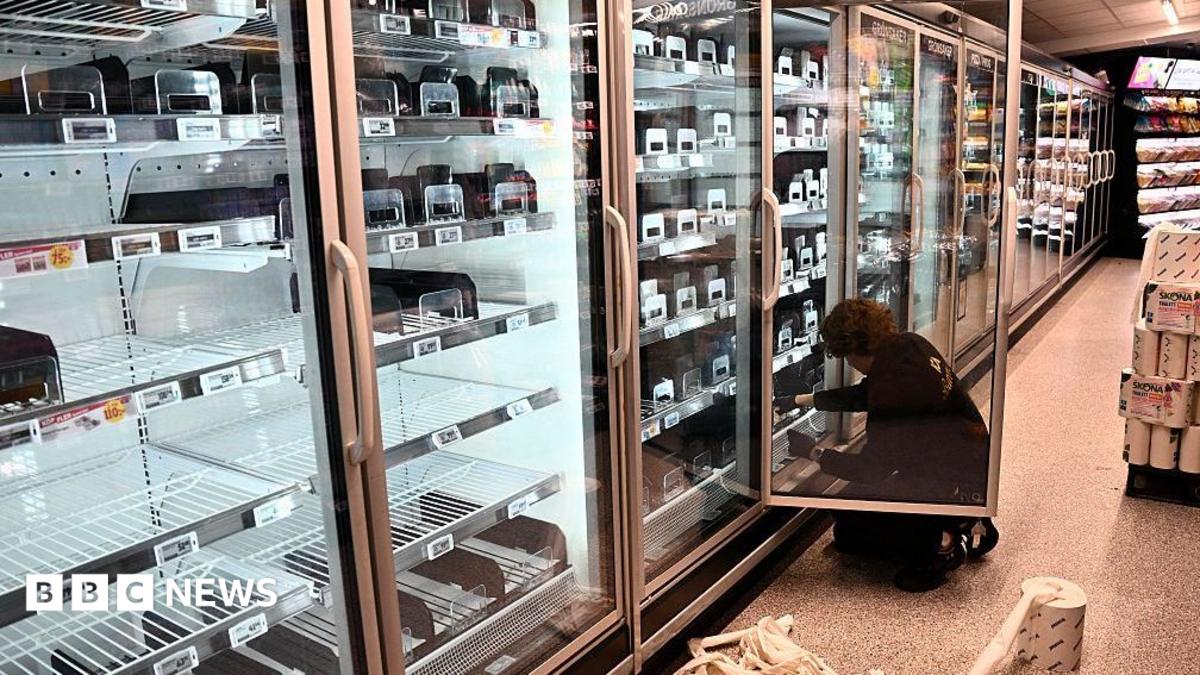
Ethical hackers uncovered security vulnerabilities in refrigeration temperature-control systems used across the UK food industry, prompting a coordinated response from the National Cyber Security Centre (NCSC), the Department for Environment, Food and Rural Affairs (Defra) and the Food Standards Agency (FSA). Thousands of internet-connected devices controlling tens of thousands of refrigeration units were taken offline after a series of attacks affected supermarkets, food-processing sites and other facilities in Europe.
Industry response to refrigeration security risks
The vulnerabilities were discovered by ethical hackers at Omega Systems and later validated and investigated further by experts at Pen Test Partners, who helped raise the alarm.
The NCSC, Defra and the FSA joined efforts to close the security gaps. They held conference calls with industry representatives and instructed their teams to contact companies considered at risk.
Thousands of devices controlling tens of thousands of refrigeration units were disconnected from the open internet, either remotely or, in some cases, physically. Staff were instructed to remove internet cables and monitor temperatures manually.
According to BBC News, most major supermarkets had to redirect IT teams to address the risks. Employees at one major chain said they had taken hundreds of devices offline each day for a week.
“It felt like a race against time because we were expecting another wave of refrigerator hacks like this,” said the employee, who did not want to be named.
“From a business perspective, the disruption and supply chain issues could have been catastrophic. We have millions of pounds worth of food stored in our warehouses, which could have gone bad had the hackers known how to attack this,” they added.
Three waves of attacks reported this year
Refrigeration temperature controllers have been targeted in three waves of hacks so far this year:
- In August, refrigerators at a small number of US military bases were damaged.
- On October 11 and 12, Danfoss temperature-control systems were targeted, affecting hundreds of supermarkets and food-processing plants in France.
- On November 1 and 2, dozens of supermarkets in seven European countries were affected, with Belgium and Luxembourg hit hardest. A small number of blood-bank facilities in France were also affected.
Investigation into UK refrigeration controllers
The attacks prompted experts from Omega Solutions to investigate the security of the UK’s most popular refrigeration controller, manufactured by British company Resource Data Management (RDM).
The BBC understands that RDM disputes the seriousness of the vulnerabilities identified, but the company has been praised for its professional response to the concerns.
Warnings were issued beyond supermarkets to other parts of the UK food and drink industry, including convenience stores, petrol stations, restaurants and fast-food chains, sports arenas, hotels, food-processing plants and cold-storage warehouses.
Source: www.bbc.co.uk