


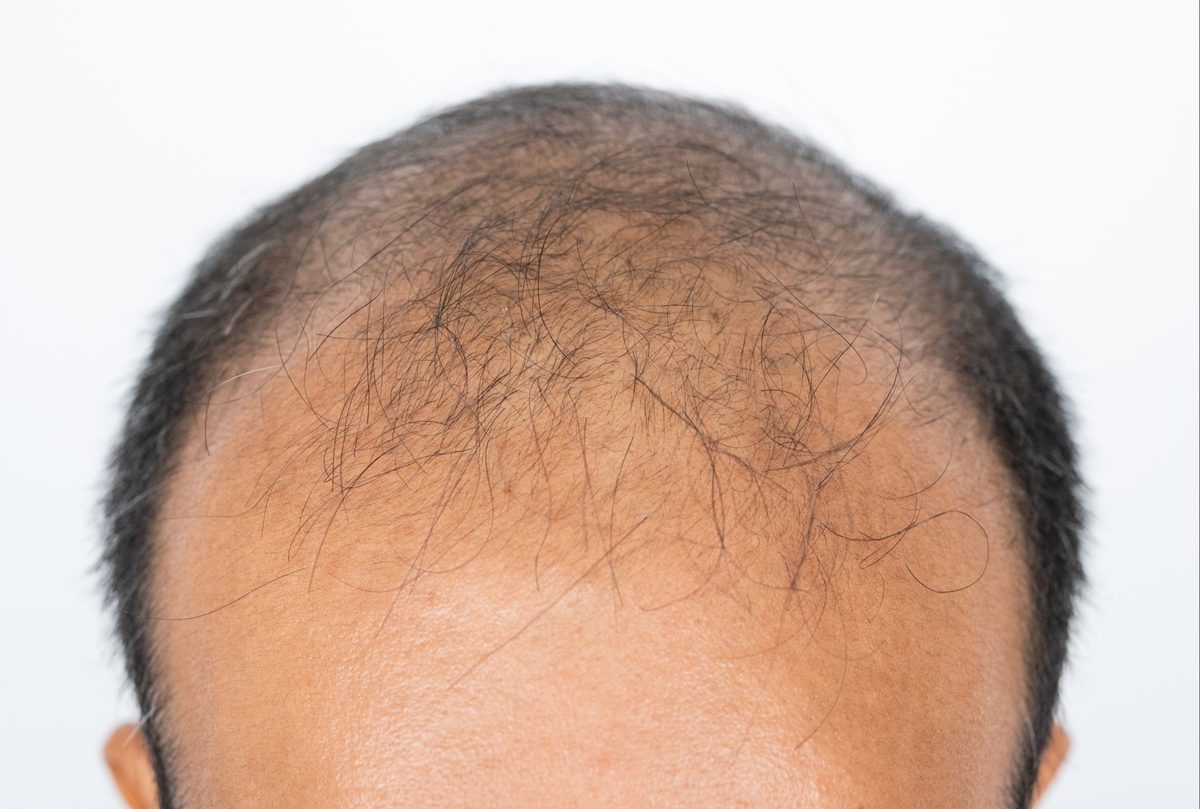
While it may be biologically simple, hair carries significant emotional weight. Often regarded as a symbol of youth, health, and beauty, its presence or absence greatly influences our self-perception and how others view us. So, why is hair so impactful for our identity?
Dr. Fabio Zucchelli, a psychologist at the University of the West of England and researcher at the Center for Appearance Research, emphasizes that our relationship with hair stems from an inherent need to fit in.
“From an evolutionary psychology perspective, humans possess a natural drive to belong to a group,” he explains. When hair begins to thin, it can feel like straying from societal norms.
Nevertheless, our perceptions of hair are not fixed. “Many ideas about appearance are socially constructed,” Zucchelli notes, explaining that attractiveness can change from one generation to the next. Historically, baldness, especially in men, has been celebrated, from ancient Egypt to the 18th century in Ghana.
Today, hair often signifies youth and, by extension, attractiveness. For many women, hair represents femininity and beauty; for men, it embodies masculinity and vitality. It’s no surprise that the hair restoration industry is thriving, projected to reach a staggering $6.5 billion by 2023, with significant growth anticipated.
“In my view, the medicalization of hair loss reinforces societal pressures,” adds Zucchelli. Treatments are becoming more effective, but they also grow more expensive, making hair loss seem like a condition that must be remedied.
Ultimately, whether or not you feel compelled to “cure” baldness is a personal choice. For many, it marks a new chapter rather than a flaw to hide. If you decide against restorative treatment, there are numerous proven strategies to cultivate self-confidence.
1. Focus on Functionality
A practical approach is to shift your focus from appearance to functionality. Consider how your body operates and protects you. For instance, hair provides insulation and helps regulate temperature.
Recognizing the biological role of your body parts can foster acceptance. “Developing a positive body image can help combat feelings tied to hair loss,” says Zucchelli, suggesting interventions aiming to highlight bodily capabilities.

One such initiative is Expand Your Horizons, developed by Dr. Jessica Alleva and her team at Maastricht University. This evidence-backed program encourages participants to write about their bodies in terms of function rather than just appearance.
Research indicates that those engaged in this writing exercise experience increased body satisfaction and appreciation. The goal isn’t necessarily self-love, but self-neutrality, mitigating self-objectification and improving body image.
“Some might think they need to love themselves,” Zucchelli asserts, “but it’s more about reaching a level of acceptance—recognizing baldness without needing to rewrite your identity around it.”
2. Increase Media Literacy
Addressing the emotional toll of hair loss can begin with understanding its origins—often influenced by media and societal norms. “Adopting a critical perspective on media consumption is essential,” Zucchelli advises.
This concept, known as media literacy, pertains to recognizing the factors shaping our body image—whether it’s advertising, celebrity culture, or social media. “The hair restoration industry is valued in the billions and continues growing,” explains Glenn Jankowski, a health and social psychology professor.
Being mindful of commercial interests behind hair loss content enables a more balanced perspective. Look for transparency in articles regarding sponsorships or corporate affiliations.
Moreover, tools like the DISCERN questionnaire at the University of Oxford can evaluate the reliability of health treatment information.
With algorithmic targeting online, a single search may flood you with related ads for weeks. Adjusting your ad settings on various platforms can help maintain a healthier media environment.
Zucchelli describes this critical lens as a “protective shield” for body image, allowing for self-reflection on feelings about hair loss and questioning who benefits from these reactions.
3. Find Others Experiencing Similar Situations
These feelings of isolation are common, but remember that hair loss is a widespread experience. Conditions like androgenetic alopecia impact a significant percentage of people, including 50% of men and women over 50.
Public figures, from Dwayne “The Rock” Johnson to Jason Statham, are examples of successful individuals who embrace their baldness. This shared experience fosters understanding, and connecting with others can aid in acceptance.

Feeling connected can accelerate the acceptance process. Online forums can provide community support, but approach them carefully. Ensure that dialogue emphasizes empathy rather than competition for medical solutions.
4. Seek Professional Guidance if Necessary
Sometimes, despite employing these strategies, mental health struggles can arise from hair loss. Consulting a mental health professional can aid in processing these feelings, and acceptance and commitment therapy (ACT) is especially effective.

ACT helps individuals recognize thoughts as mere thoughts rather than facts, particularly dispelling myths around baldness affecting romantic prospects. This distance can allow you to refocus on what genuinely matters to you.
Other therapeutic forms, such as cognitive-behavioral therapy (CBT), can address harmful thoughts, while counseling offers emotional processing and group therapy connects you with peers facing similar challenges.
5. Allow Yourself Time
Lastly, practice self-compassion. Hair loss is a significant transition, and it’s okay to experience sadness. “Give yourself time to understand this change,” urges Zucchelli.
Although grappling with baldness can feel burdensome, the acceptance journey often leads to a more comfortable self-image. Remember, many older men understand that hair loss may be subtle and far from the end of one’s attractiveness.
Read more:
Source: www.sciencefocus.com