


Steam Frame Review: Comfort, Battery Design, and SteamVR Features
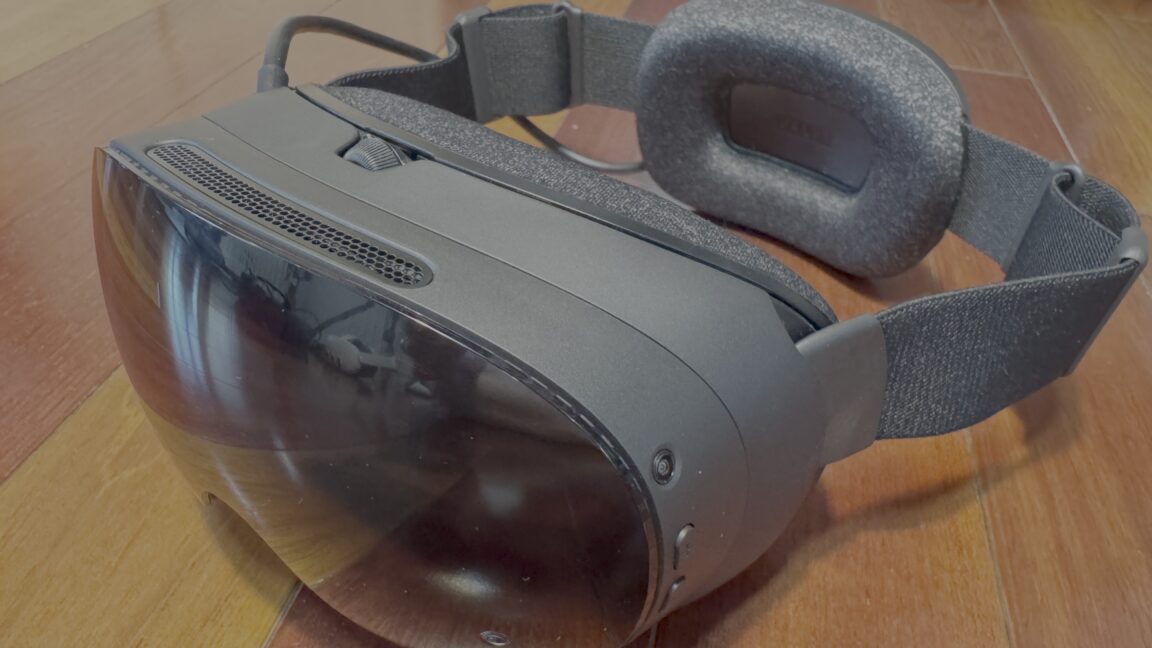
The Steam Frame’s total weight may look concerning on paper, but the headset feels noticeably lighter in use. That is largely because approximately half of its weight is contained in a curved, cushioned 21.6 Wh battery positioned at the back of the head. The remaining lens and computing housing is lighter and less front-heavy than many competing VR headsets.
By balancing the battery behind the user’s head, the Steam Frame avoids the forward pull that makes many virtual reality headsets uncomfortable. It is also less likely to slide down the bridge of your nose during movement, making it a strong option for extended SteamVR gaming sessions.
Steam Frame comfort and fit
The Steam Frame uses a ski-goggle-style lens housing that creates mild pressure around the cheekbones and forehead. This design can trap heat and sweat during active VR gameplay, so it is not completely invisible when worn. However, the headset remains stable when you move your head, which is an important advantage over heavier, poorly balanced VR devices.
During testing, the Steam Frame remained comfortable during sessions lasting several hours. I did not need to take comfort breaks, and the headset did not shift noticeably while playing. Although it does not yet reach the point where you forget you are wearing it, its weight distribution makes it significantly more comfortable than many traditional VR headsets.
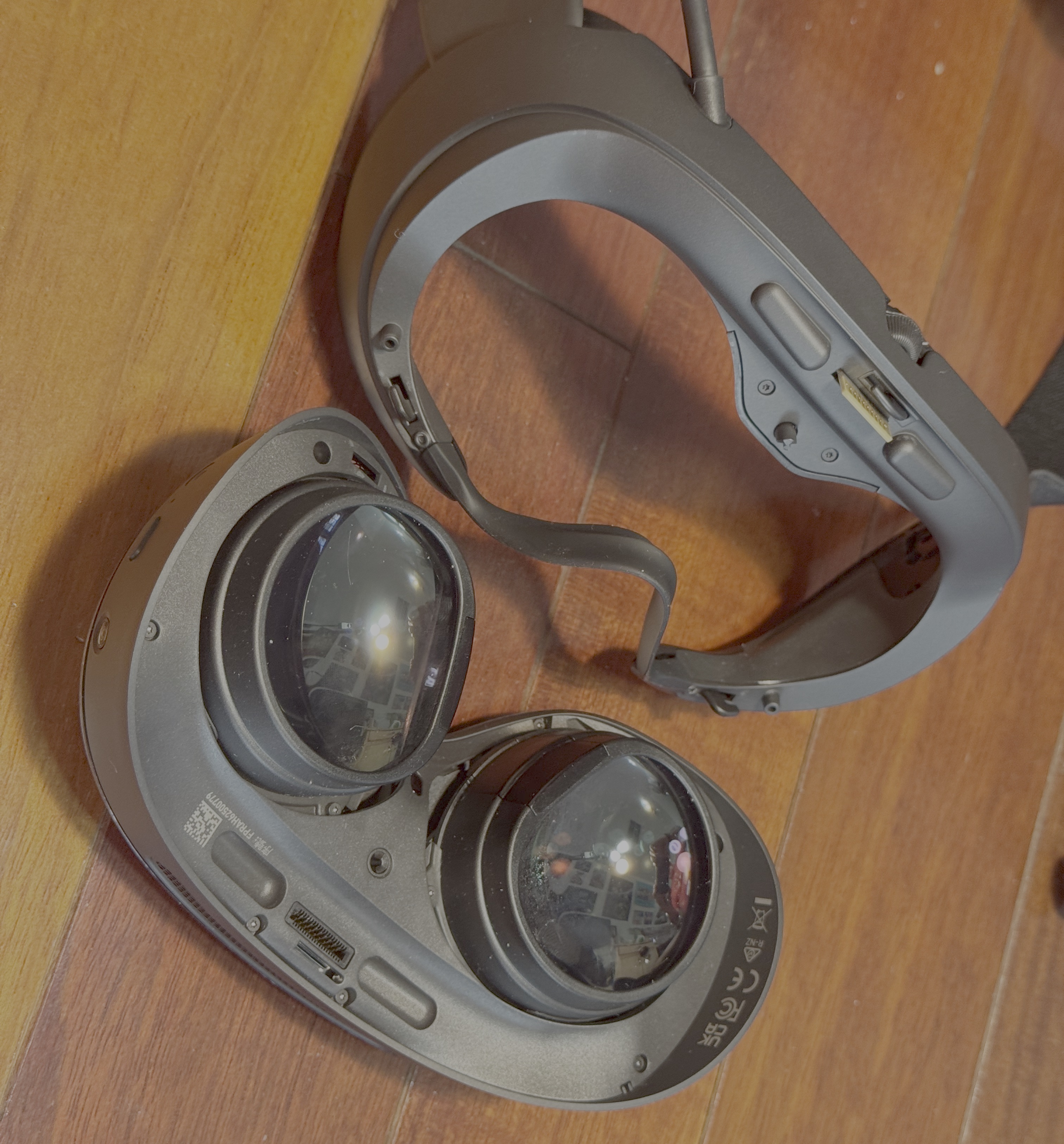
The removable lens and computing core also make the headset easier to maintain. Removing the core provides access to the nose guard and head strap, while the magnetic eye cushions simplify cleaning and replacement.
kyle orlando
The Steam Frame lens and computing core can be removed to access the nose guard and head strap.kyle orlando
Steam Frame design drawbacks
The rear-mounted battery improves balance, but its position creates one notable compromise. The battery housing can press against a headrest when you lean back while playing seated. This may be uncomfortable during racing games, flight simulators, or other experiences designed for long seated sessions.
Glasses wearers should also be aware that the headset can press against thin eyeglass frames, even with the included magnetic spacers installed. Thicker third-party spacers could improve compatibility for users who wear glasses.
Steam Frame display and SteamVR features
On paper, the Steam Frame includes the specifications expected from a modern virtual reality headset. Its pancake lenses support refresh rates of up to 144 Hz and a resolution of 2160 × 2160 pixels per eye. The headset also offers an approximately 110-degree field of view, which helps reduce the tunnel-vision effect found on older VR devices.
An outward-facing camera provides inside-out tracking, eliminating the need for external base stations. This makes setup easier than with earlier SteamVR headsets that required dedicated room-tracking hardware. The camera can also display a grainy view of the surrounding room, allowing you to check your environment without removing the headset.
Steam Frame review verdict
The Steam Frame’s most impressive feature is its balanced design. The rear-mounted 21.6 Wh battery adds bulk behind the head, but it reduces front-heavy pressure and helps the headset remain stable during gameplay. Long-session comfort is not perfect, and the rear battery may interfere with headrests, but the overall design is more practical than many conventional VR headsets.
With a 144 Hz display, high per-eye resolution, pancake optics, inside-out tracking, and a removable computing core, the Steam Frame has the features needed to compete in the modern SteamVR market. It is particularly appealing to players who prioritize comfort, simple setup, and stable performance during extended virtual reality sessions.
Source: arstechnica.com