


Vagus Nerve Stimulation After Practice May Strengthen Long-Term Motor Learning
Why are some new skills easy to learn while others remain frustratingly difficult, even with repeated practice? The answer may involve more than talent and effort. It may also depend on whether the brain is in the right state to turn practice into lasting learning.
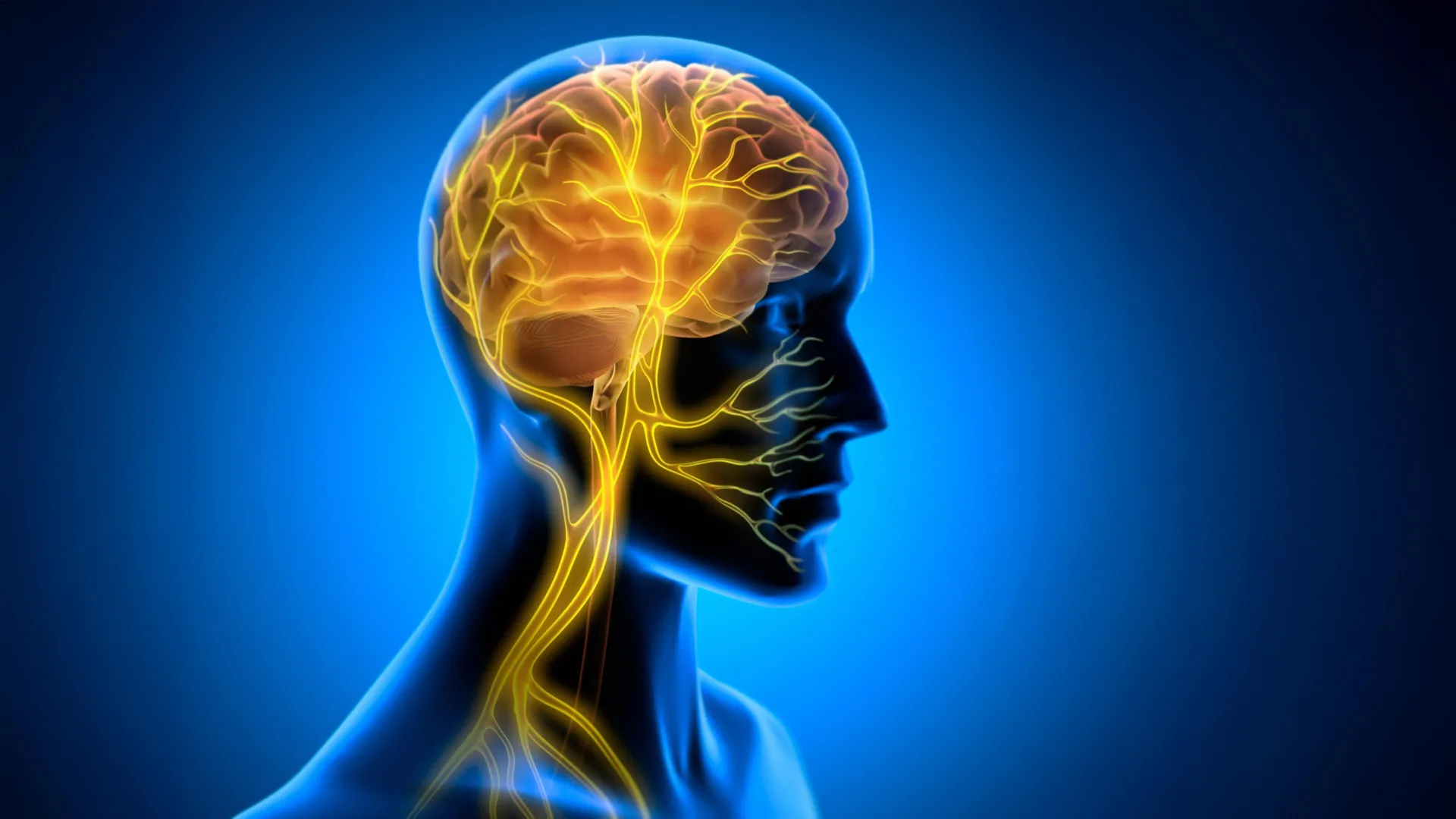
Learning does not happen independently of the rest of the body. Internal organs constantly send information to the brain through the vagus nerve, one of the main communication pathways in the nervous system. Researchers at Tohoku University studying supernetwork brain physiology found in mice that stimulating this nerve after training can enhance long-term motor learning.
Published in iScience on August 25, 2026, the findings point to a previously overlooked role for body-to-brain communication in helping new skills persist.
How the vagus nerve may influence learning
The vagus nerve acts as a major information highway between the brain and body. It carries signals from internal organs to the brain while also sending commands from the brain back to those organs. Scientists can influence this pathway through vagus nerve stimulation (VNS), which is already clinically approved for treating several diseases.
Previous studies have primarily examined VNS as a form of neuromodulation that changes the activity of neurotransmitter systems. The new research suggests that another mechanism may also be important: rhythmic changes in blood vessels in the brain.
To investigate this possibility, the researchers developed a small cuff electrode that could remain attached to the left cervical vagus nerve of mice. They then tested VNS during horizontal optomotor response (HOKR) learning, a cerebellum-dependent eye-movement task that teaches mice to track moving visual stripes.
The response is similar to the automatic eye movements people make when standing on a platform and watching a passing train.
The greatest effect appeared after practice
The researchers applied VNS after each training session rather than during the learning task itself. The stimulation did not immediately improve the mice’s performance while they were being trained. Instead, its benefits became apparent later.
On the following day, mice that received VNS showed stronger long-term learning. This pattern suggests that stimulation may affect the processes that take place after training, when the brain consolidates new information into more durable memories.
“The important point is that VNS was only provided after training,” says Professor Ko Matsui. “Our findings suggest that VNS may open a hidden window of opportunity to enhance learning by making the brain environment more amenable to change over time.”
Rhythmic changes in cerebral blood volume
The researchers next examined changes in the brain that might accompany improved learning. They measured blood-volume activity near the cerebellar hair bundle, an area involved in HOKR learning.
Using fiber photometry, the researchers found that a single VNS event produced a two-step vascular response. Local blood volume decreased temporarily before increasing after a delay. Repeated VNS produced rhythmic oscillations in blood volume.
These vascular rhythms also appeared to be linked to learning. In general, mice with greater fluctuations in blood volume showed better learning by day five. This finding suggests that changes in the cerebral vascular environment may contribute to the long-term persistence of stimulation’s effects.
“Our brains may be more influenced by our bodies than we realize,” says lead author Junyu Chen. “By adjusting the brain’s metabolic environment, such as the rhythmic movement of blood vessels, we may ultimately be able to unlock remaining potential.”
Understanding the brain-body connection
Future research will focus on refining vagus nerve stimulation protocols and determining more precisely how communication between the brain and body supports long-term plasticity.
By studying this two-way communication pathway in greater detail, scientists hope to better understand how learning is sustained and how it can ultimately be strengthened.
Source: www.sciencedaily.com