


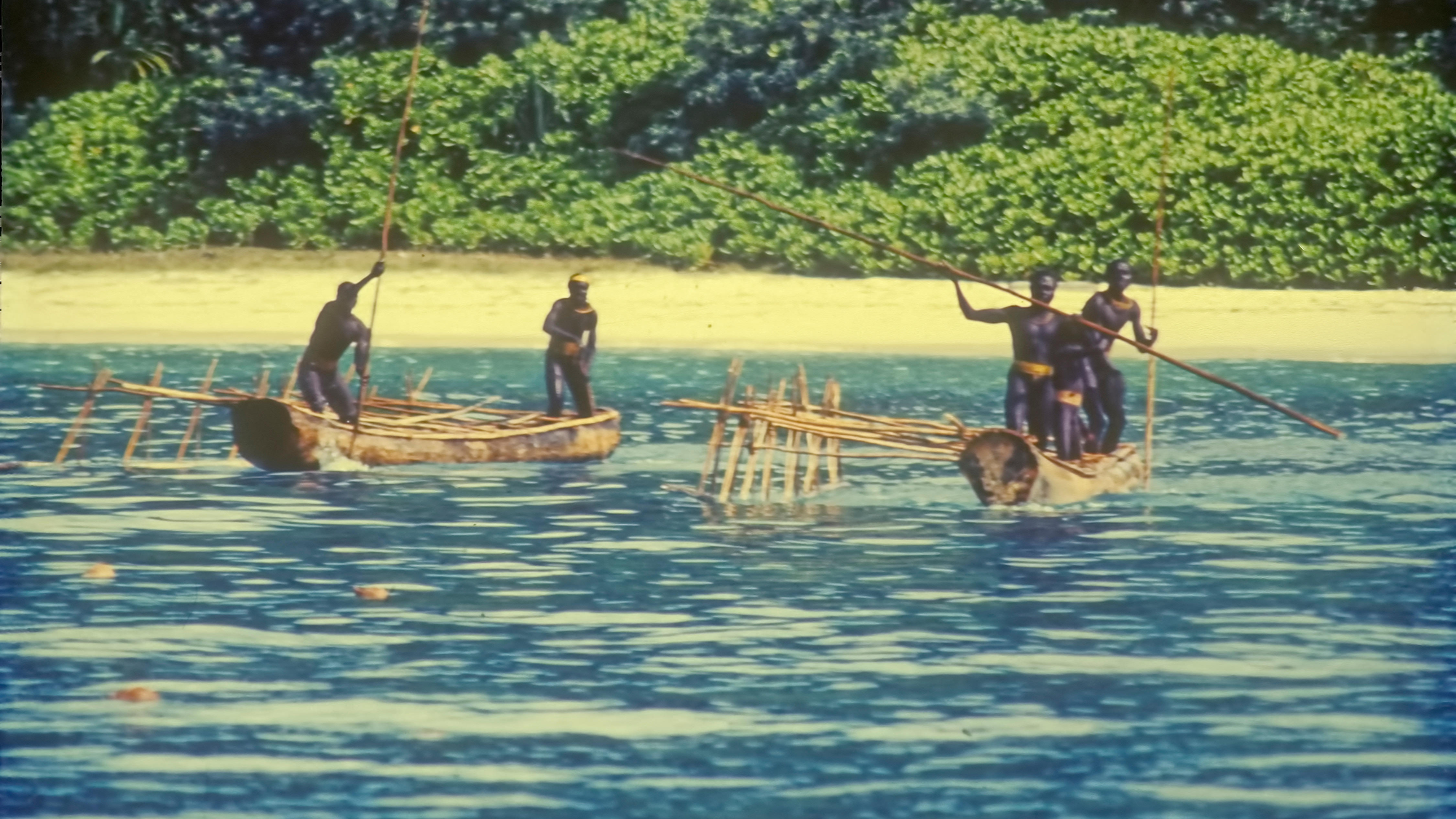
Who Are the Most Isolated People on Earth?
In an increasingly connected world, thousands of Indigenous people still live with little or no sustained contact with modern society. These communities are often described as uncontacted Indigenous peoples or peoples living in voluntary isolation.
Researchers estimate that at least 196 uncontacted Indigenous groups exist worldwide. Most live in 10 countries across South America, Asia and the Pacific, including Brazil, Peru, Indonesia and India.
These communities inhabit a wide range of environments, from remote islands and deserts to the dense forests of the Amazon Basin. Some have occasional encounters with neighboring Indigenous peoples, while others avoid nearly all outside contact. In many cases, however, their isolation is increasingly threatened by logging, mining, oil exploration, agriculture and other industries expanding into their territories.
So, who are the most isolated people on Earth? Experts say there is no single definitive answer, but several Indigenous groups are among the strongest candidates.
What does “uncontacted” mean?
There is no universally accepted definition of an “uncontacted” people. The United Nations recognizes several descriptions, including “free,” “hidden,” “invisible” and “peoples in voluntary isolation.”
Hal Russell, Asia and Pacific research and advocacy officer with Survival International, defines uncontacted peoples as Indigenous communities that generally avoid outsiders and have no permanent relationship with them, even if they are aware that the outside world exists.
Isolation exists on a spectrum. Some groups have never had documented contact, while others have experienced sporadic or forced encounters. What many of these communities share is an active effort to control contact and protect their way of life.
The Sentinelese: one of the world’s most isolated communities
The Sentinelese, who live on North Sentinel Island in India’s Andaman and Nicobar Islands, are often described as one of the most isolated peoples on Earth. The community’s own name for itself is unknown; “Sentinelese” comes from the island where they live.
The island covers approximately 23 square miles (60 square kilometers) in the Bay of Bengal. The Sentinelese are believed to live by hunting, gathering and fishing, using hand-carved canoes along the coast.
Estimates suggest that the population may number between 50 and 150 people, although no accurate census has been conducted. Because outsiders are not permitted to approach the island, researchers have very little information about the community’s language, social structure or traditions.
According to Survival International, the Sentinelese may have lived in the Andaman Islands for up to 55,000 years. They are thought to be descendants of some of the earliest humans to migrate out of Africa.
Why outsiders are forbidden from visiting North Sentinel Island
The Sentinelese have repeatedly rejected attempts at contact. People approaching the island have reportedly been met with arrows and other warnings. These actions are widely understood as a clear message that the community does not want to be disturbed.
Indian law prohibits travel within a 3-mile (5-kilometer) radius of North Sentinel Island. The restriction protects both the islanders and visitors.
Outsiders could expose the Sentinelese to diseases against which they have little or no immunity. Visitors may also face serious danger because the community has defended its territory from approaching boats, helicopters and aircraft.
In 2018, American missionary John Allen Chau illegally traveled to the island and was killed. His death renewed international debate about the dangers of forced contact and the importance of protecting the Sentinelese’s right to remain isolated.
Most isolated Indigenous peoples in the Amazon
Approximately 95% of uncontacted and isolated peoples are believed to live in the Amazon Basin. In this region, the term “peoples in voluntary isolation” is commonly used because many communities have had historical contact with the outside world but now actively avoid it.
The isolated Kakataibo
The Kakataibo live in the Aguaytía Basin of central Peru. Some Kakataibo groups are rarely encountered, even by other Indigenous communities in the region.
Anthropologist Beatriz Huertas has reported that some members of the group are so determined to avoid detection that they erase their footprints. This makes the community extremely difficult to study and means that little is known about its population or daily life.
Researchers believe the Kakataibo’s isolation is a protective strategy shaped by harmful experiences with outsiders. For these communities, remaining hidden can help reduce the risk of violence, disease, exploitation and land loss.
The Kawahiva
The Kawahiva are a nomadic Indigenous group in Brazil’s Amazon rainforest. They have avoided contact so successfully that researchers know of them mainly through rare encounters and limited video evidence.
The group was recognized as distinct only in 1999. Their story also highlights how many isolated communities may remain undocumented. Even in Brazil, which has relatively extensive systems for identifying isolated peoples, new groups have been documented as recently as 2021.
The Mashco Piro
The Mashco Piro of Peru are widely considered one of the largest uncontacted Indigenous groups in the world. Their population is estimated at approximately 750 people.
Some Mashco Piro are believed to be descendants of Indigenous people who were enslaved and forced to work on Amazonian rubber plantations during the 1800s. Those who escaped moved deeper into the rainforest, where their descendants have continued to avoid sustained contact.
Why do isolated Indigenous groups avoid contact?
The phrase “uncontacted people” can create the mistaken impression that these communities have never encountered the outside world. In reality, many have experienced violence, disease, exploitation or the loss of their land during previous encounters.
Beatriz Huertas has argued that describing these peoples as “stuck in the Stone Age” is inaccurate. No society exists in a historical bubble. Isolated groups understand and respond to changes in the world around them, even when they choose not to establish permanent relationships with outsiders.
Historical events help explain why some communities avoid contact. The Great Andamanese, for example, suffered a population decline of as much as 99% after conflict with British settlers and the spread of infectious diseases.
The Sentinelese also experienced a violent encounter with British colonizers during the 1800s. Several islanders were reportedly kidnapped, exposed to disease and died. Such events may have contributed to the community’s continuing distrust of outsiders.
Should uncontacted peoples be contacted?
Some researchers have argued that carefully planned contact could help protect isolated groups from modern threats. However, organizations such as Survival International maintain that forced contact has historically caused more harm than good.
Even a peaceful encounter can introduce deadly illnesses, disrupt food systems and expose communities to exploitation. Contact may also increase pressure from illegal loggers, miners, ranchers, drug traffickers and other outsiders seeking access to Indigenous lands.
The United Nations recognizes Indigenous peoples’ right to self-determination. For peoples living in voluntary isolation, that right includes choosing whether to communicate with other communities or remain separate.
As researcher Simron Singh told Live Science, isolated peoples are not necessarily unable to make contact. In many cases, they are choosing not to. Respecting that choice—and protecting their land from outside intrusion—may be the safest way to support their survival.
Frequently asked questions about uncontacted peoples
How many uncontacted Indigenous groups are there?
At least 196 uncontacted or isolated Indigenous groups are estimated to exist worldwide, although the true number may be higher because some communities have not yet been documented.
Where do most uncontacted peoples live?
Most known uncontacted peoples live in the Amazon Basin, particularly in Brazil and Peru. Other communities live in parts of Asia and the Pacific, including India’s Andaman and Nicobar Islands.
Are the Sentinelese the last uncontacted tribe?
No. The Sentinelese are among the best-known isolated Indigenous peoples, but they are not the only community living with limited or no sustained contact. Several groups in the Amazon are also highly isolated.
Is it legal to visit North Sentinel Island?
No. Indian authorities prohibit visitors from approaching North Sentinel Island. The restrictions are intended to protect the Sentinelese from disease and interference and to protect visitors from potentially dangerous encounters.
TOPICS
Source: www.livescience.com