


Amazon has acquired an off-grid natural gas power plant under construction in Texas to supply one of its data centers. Once operational, the facility could become one of the largest sources of greenhouse gas emissions in the United States.
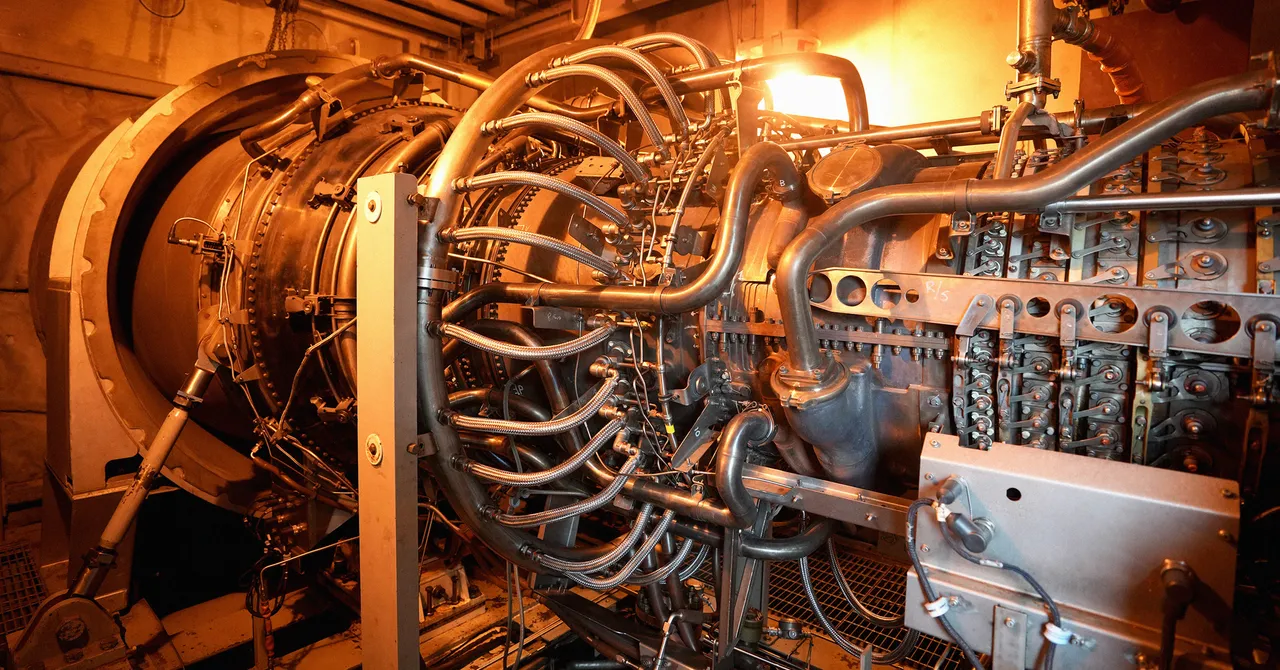
The project’s climate impact is driven not only by its size but also by the type of gas turbines it uses. The plant will rely on less-efficient simple-cycle turbines rather than the combined-cycle systems commonly used at traditional power plants. Similar turbine technology is increasingly being adopted for data centers across the U.S., potentially increasing the environmental impact of artificial intelligence and placing additional strain on the nation’s power grid.
Amazon’s Texas power plant is permitted to emit up to 33 million tons of greenhouse gases each year. The facility will use simple-cycle turbines, which mix fuel and air in a combustion chamber to generate electricity while releasing significant amounts of waste heat. Combined-cycle power plants add a steam turbine that captures this waste heat and converts it into additional electricity, allowing them to produce the same amount of energy with fewer emissions.
Permitted emissions from natural gas power plants are typically much higher than their actual emissions. However, even if Amazon’s facilities released only half of the amount allowed under their permits, they would still generate more greenhouse gas pollution than 78 average-sized natural gas power plants, according to the U.S. Environmental Protection Agency.
Amazon spokeswoman Heather Callahan told WIRED by email that the Texas facility will provide “on-site power generation that won’t increase electricity bills for Texas households.” She added that the site will also include solar power and battery storage, while reaffirming Amazon’s commitment to achieving net-zero emissions by 2040.
Simple-cycle turbines are becoming increasingly popular among data center developers seeking flexible electricity capacity that can be installed quickly. At least three power plants being developed in Ohio by oil and gas company Williams for Meta will use simple-cycle units, according to permit applications. In Abilene, Texas, Crusoe is constructing a power plant for Microsoft data centers with 39 simple-cycle turbines at the Stargate campus. A permit application for Google’s Goodnight data center at another Texas site where Crusoe is developing infrastructure calls for 20 simple-cycle turbines. xAI’s Colossus 1 and Colossus 2 data centers in Memphis are also powered by dozens of simple-cycle turbines. Together, these facilities are permitted to emit millions of tons of greenhouse gases. Williams and Crusoe told WIRED by email that their natural gas plants comply with local and federal regulations and use emissions-control technology.
Britt Burt, senior vice president at energy market intelligence firm Industrial Info Resources, said she did not expect data center developers to depend so heavily on simple-cycle turbines for power generation.
“This is not the most efficient way to use a gas turbine,” she says.
However, companies racing to bring AI data centers online can install several simple-cycle turbines faster and at a lower cost than combined-cycle systems. Combined-cycle plants require additional equipment, and turbine orders and related components have faced years-long delays.
“The current state of the turbine supply chain forces developers to take advantage of what is available,” Burt says.
Data center operators also need power that can respond quickly to changing demand, particularly when training artificial intelligence models. Simple-cycle turbines have fewer moving parts and can start and shut down faster than combined-cycle units, making them suitable for AI workloads that require large amounts of electricity on demand. These rapid power fluctuations can be so extreme that some data center operators report turbine failures caused by extreme start-and-stop stress.
Source: www.wired.com