


Why Do Some People Not Lose Weight on GLP-1 Drugs?
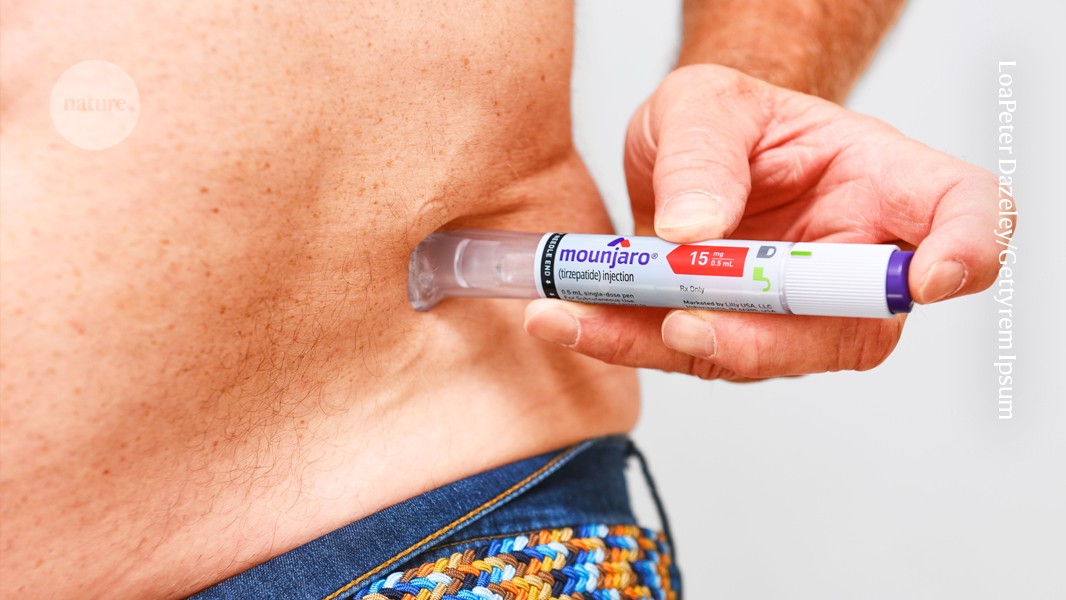
Some people lose a quarter of their body weight when taking newer obesity drugs.
Credit: Peter Dazeley/Getty
Most people who take popular GLP-1 drugs lose a significant amount of weight. According to one study, the average loss is about one-quarter of a person’s body weight.1 But why do 10–15% of people who use these drugs lose little or no weight?
Daniel Drucker, an endocrinologist at the University of Toronto in Canada who helped develop GLP-1 drugs, says there is “high heterogeneity” in how people respond to the treatments. “And we don’t really understand it,” he says.

Why do obesity drugs seem to be effective against many other diseases?
Solving this mystery could lead to new drugs for people who do not respond to current treatments. It could also help researchers personalize obesity treatment by identifying which therapies are most likely to work for each person.
These possibilities have made individual responses to GLP-1 drugs an important area of investigation. The Endocrine Society, a leading medical and research organization in Washington, D.C., has called for the issue to become a priority. Scientists are studying a range of possible explanations, including biological sex, genetics and behavioral factors.
Research into the differences between people who respond to obesity drugs and those who do not is still in its early stages. For now, precision medicine for obesity remains “mostly aspirational,” one researcher said in a scientific statement published by the Endocrine Society earlier this month. But scientists are beginning to investigate the question in greater depth.
Could estrogen affect how well GLP-1 drugs work?
One factor being studied is the relationship between biological sex and the response to GLP-1 drugs. Clinical trials2 and real-world data3 have consistently shown that women tend to lose more weight than men when taking drugs that mimic glucagon-like peptide 1, a natural hormone prescribed for obesity and type 2 diabetes.
How to lose weight after taking obesity drugs
In a 2024 survey,4 postmenopausal women taking the GLP-1 drug semaglutide lost more weight if they also received hormone-replacement therapy than if they did not. A paper published in February found similar results among women who took tirzepatide, a drug that mimics both GLP-1 and another hormone called gastric inhibitory polypeptide.5
The findings suggest that estrogen, which is given as part of hormone-replacement therapy, might enhance the effectiveness of obesity drugs, Drucker says. “We don’t understand the molecular mechanisms yet, but I’m confident we can make progress there,” he adds.
Animal experiments have shown that estrogen can reduce food intake and act on brain areas similar to those targeted by GLP-1.6 Research also indicates that combining GLP-1 and estrogen can have a synergistic effect on weight loss.
How might genetics influence weight-loss drug response?
Scientists are only beginning to understand how genes influence people’s responses to obesity drugs, says Ruth Ruth, a genetic epidemiologist at the University of Copenhagen.
“We know a lot about the genetics of obesity,” she says. “However, there is not a lot of good data available regarding genetic contributions to response to weight-loss drugs.”
Can weight-loss drugs be used instead of injectables? What the science says
Source: www.nature.com