


HPV-Related Throat Cancer Is Rising Among Men: What to Know About Prevention and Vaccination
Human papillomavirus (HPV) vaccination has significantly reduced HPV infections and cervical cancer risk among vaccinated people. However, another HPV-related cancer trend is drawing attention: oropharyngeal cancer, which affects the back of the throat, tonsils and base of the tongue. These cancers occur more often in men and are increasingly diagnosed in middle-aged and older adults.
Research shows that HPV-related oropharyngeal cancer cases increased substantially in the United States between 1988 and 2004, with the rise largely driven by male patients. Similar increases have been reported in other countries, including Denmark, where cases more than tripled between 2000 and 2017.
Why are HPV-related throat cancers increasing?
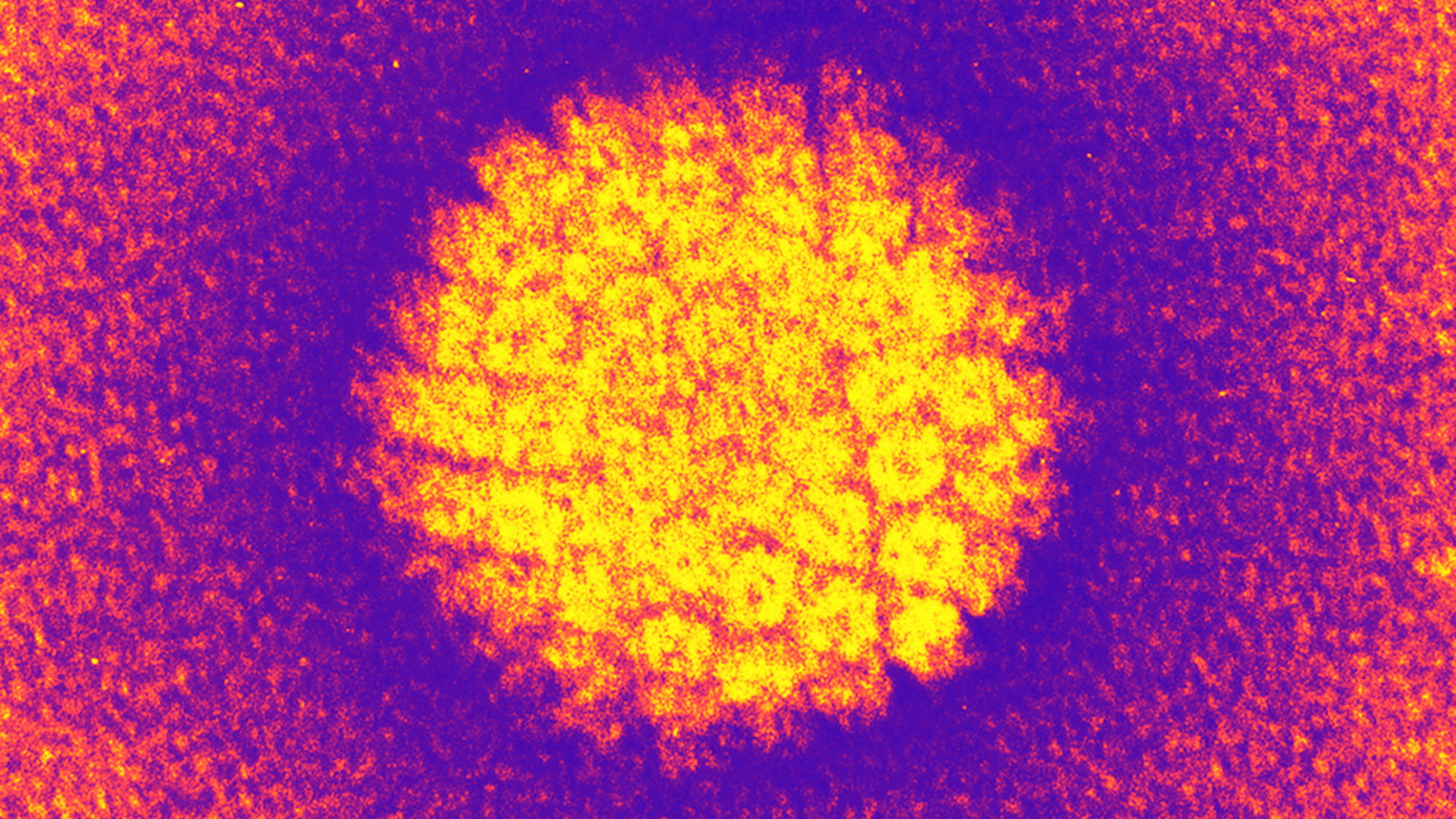
HPV is a group of more than 200 related viruses. Some types are classified as high-risk HPV because persistent infection can cause cellular changes that may eventually lead to cancer. High-risk HPV spreads through intimate skin-to-skin contact, including vaginal, anal and oral sex.
HPV is extremely common. Approximately 80% of sexually active adults acquire an HPV infection at some point in their lives. In most cases, the immune system clears the infection within one to two years. However, persistent high-risk HPV infection can damage cellular DNA and increase the risk of cancer over time.
At least 12 high-risk HPV types are associated with anal, cervical, oropharyngeal, penile, vaginal and vulvar cancers. HPV types 16 and 18 are among the strains most strongly linked to cancer.
Rates of several HPV-related cancers are increasing, but HPV-related oropharyngeal cancer is more common than anal, penile, vaginal or vulvar cancers. Unlike cervical cancer, which can often be detected through routine screening, throat cancer does not currently have a widely recommended screening test for people without symptoms.
How common is HPV-related oropharyngeal cancer?
According to the Centers for Disease Control and Prevention, about 13,600 men and 2,400 women are diagnosed with HPV-related oropharyngeal cancer in the United States each year. By comparison, approximately 11,100 cases of HPV-related cervical cancer are diagnosed annually.
Widespread HPV vaccination and cervical cancer screening have helped reduce cervical cancer rates. Australia is expected to approach cervical cancer elimination by 2035, and other countries are also making progress toward that goal.
Vaccination is expected to reduce HPV-related throat cancer over time as more vaccinated people reach adulthood. However, many older adults were exposed to HPV before the vaccine became available. Because HPV can remain undetected for years, an infection acquired decades earlier may contribute to cancer later in life.
Why are men at higher risk of HPV-related throat cancer?
Approximately 80% of HPV-related oropharyngeal cancer cases occur in men. Researchers are still studying why men appear to be more vulnerable, but several factors may contribute.
Some studies suggest that men are more likely than women to develop an oral HPV infection and may take longer to clear the virus. The risk of oral HPV infection also appears to increase with the number of recent sexual partners. Oral sex has been associated with oral HPV infection in some studies of men.
Age may also play a role. As people grow older, changes in immune function may make it harder for the body to suppress a persistent HPV infection. Chronic stress and other health conditions may further affect immune defenses.
Are there screening tests for HPV-related throat cancer?
Currently, there is no routine, widely recommended screening test for HPV-related oropharyngeal cancer. Cervical cancer screening can identify precancerous cells through Pap tests and HPV tests, but the throat is more difficult to examine and sample safely in people without symptoms.
As a result, many cases of oropharyngeal cancer are diagnosed after symptoms appear. Possible symptoms include:
- A persistent sore throat
- A lump in the throat or neck
- Swollen lymph nodes
- Difficulty or pain when swallowing
- Unexplained ear pain
- Hoarseness or voice changes
- Unexplained weight loss
These symptoms can have many causes, but anyone experiencing them persistently should speak with a healthcare professional.
Fortunately, HPV-related oropharyngeal cancer often responds well to treatment. Studies report five-year disease-free survival rates of approximately 85% to 90% for many patients. HPV-positive tumors may also have a lower recurrence risk than non-HPV-related oropharyngeal cancers.
Treatment can still be intensive. Radiation and other therapies may cause side effects such as mouth sores, nausea, appetite loss, difficulty swallowing and weight loss.
Can HPV vaccination prevent throat cancer?
HPV vaccination protects against the HPV types most likely to cause cancer and genital warts. Although the vaccine is often associated with cervical cancer prevention, it can also help prevent the HPV infections linked to anal, penile, vaginal, vulvar and oropharyngeal cancers.
Studies have found that vaccinated people have a lower risk of HPV-related head and neck cancers. The full effect of vaccination on throat cancer rates may take decades to become clear because these cancers often develop many years after the initial infection.
Should boys and men get the HPV vaccine?
Yes. HPV vaccination is recommended for both boys and girls because it helps prevent HPV infections and protects against several HPV-related cancers. In the United States, routine vaccination is recommended at ages 11 or 12, although vaccination can begin as early as age 9. Catch-up vaccination is recommended through age 26 for people who were not adequately vaccinated earlier.
Adults ages 27 through 45 who were not vaccinated should discuss the potential benefits with a healthcare professional. The vaccine prevents new HPV infections but does not treat an existing infection or HPV-related disease. Its benefits may be smaller for people who have already been exposed to several HPV types.
Vaccination after age 45 is not approved in the United States. Anyone considering vaccination outside the recommended age range should discuss safety, potential benefits and cost with a doctor, since insurance coverage may vary.
Following the recommended vaccination schedule during childhood and adolescence offers the best protection, before exposure to HPV is likely. The number of doses depends on the age at vaccination and a person’s immune status. Current recommendations should be confirmed with a healthcare professional or the CDC HPV vaccination guidelines.
The long-term outlook for HPV-related cancer
HPV vaccination has already changed the outlook for cervical cancer and may eventually produce similar reductions in HPV-related throat cancer. Increasing vaccination rates among boys and girls, improving awareness of symptoms and supporting cancer research could help reduce the burden of oropharyngeal cancer in future generations.
For now, vaccination remains the most effective way to prevent new high-risk HPV infections. Adults with persistent throat or neck symptoms should seek medical advice rather than waiting for them to resolve.
This article is for informational purposes only and does not provide medical advice. Speak with a qualified healthcare professional for personalized guidance about HPV vaccination, symptoms and cancer screening.
Source: www.livescience.com