


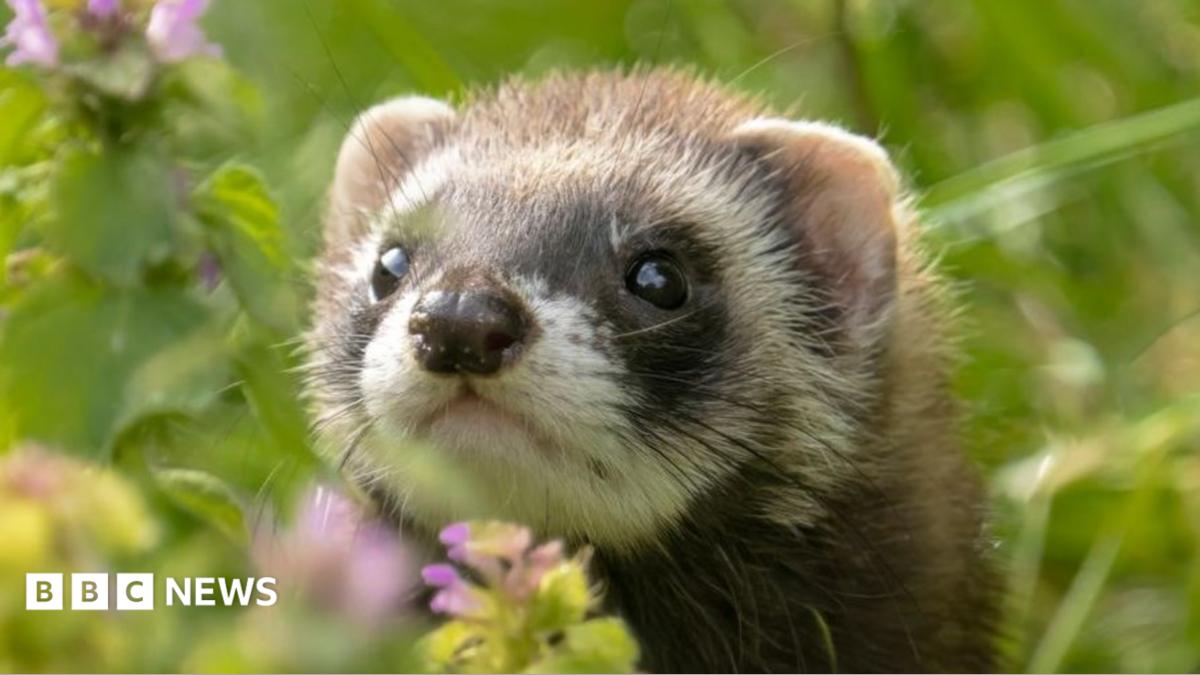
Leah Cottell, who led the Guernsey ferret study, said the research was “incredibly time-consuming” but provided valuable insight into the island’s ferret population.
“I knew there were ferrets on Guernsey, but I didn’t really know anything about them,” she told BBC Guernsey.
The study found that ferrets appear to favour areas close to water, where they can search for bird nests and feed on eggs and other wildlife.
Despite their presence and growing numbers, ferrets are not native to Guernsey, Ms Cottell said.
“These are non-native animals, most likely descended from domestic ferrets that were released into the wild,” she explained.
“They resemble wild polecats, so they may have lived on the island for many years. Alternatively, ferrets kept as pets in the 1980s may have been released, allowing the population to grow over time.”
Ms Cottell said it could take “many months” to analyse all the photographs collected during the research. The charity plans to publish its findings in a detailed report.
A new round of fundraising for the Nature Strategy Fund is now open. Fund managers said applications for financial support will be accepted until 25 October.
Source: www.bbc.co.uk