


Why Nvidia, OpenAI and Anthropic Are Selling Exclusive Tech-Branded Clothing
From Jensen Huang jumpers to limited-edition chatbot merchandise, technology companies are turning clothing into a powerful tool for building brand loyalty and reputation.
For Natalie Flatt, wearing a dark green jumper from US microchip company Nvidia is like wearing the uniform of her favorite sports team.
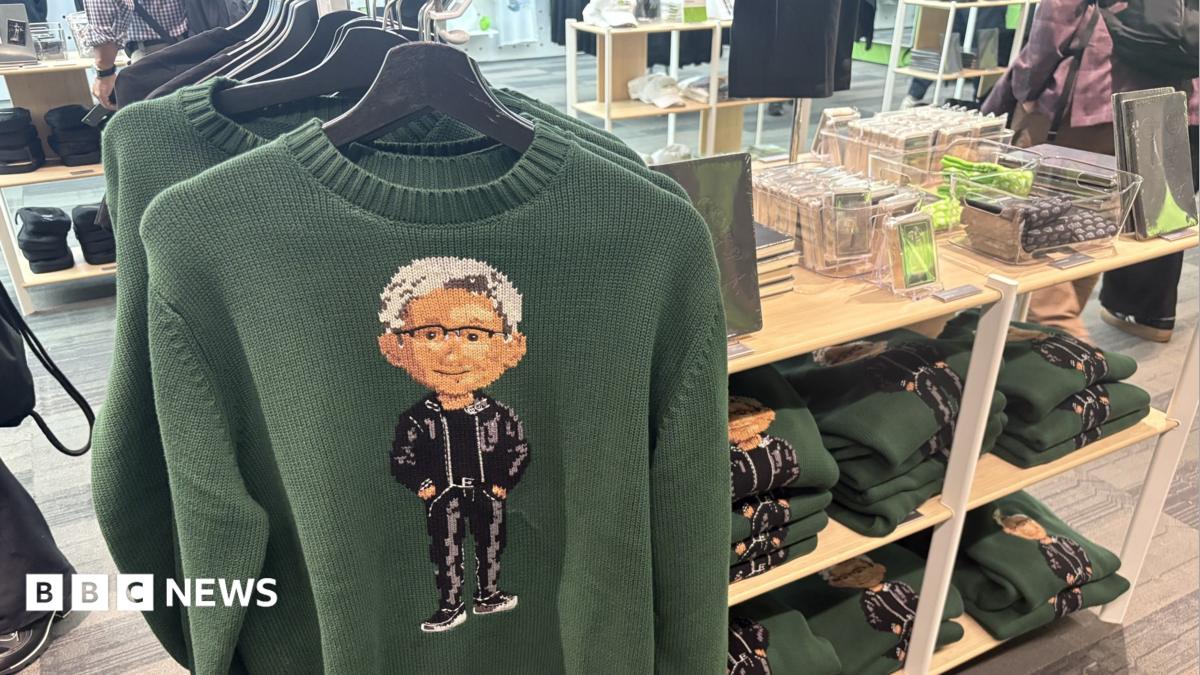
The front of the $178 (about £132) wool garment features a cartoon-like drawing of Nvidia chief executive Jensen Huang.
Flatt does not work for Nvidia. In fact, she is a fan of the company.
“I have a New Zealand All Blacks rugby jersey, and I feel the same way about Jensen’s sweater,” says Flatt, who is based in New York and runs a technology start-up.
In a video shared on social media, she proudly wears the jumper and explains that it represents the team and spirit she “admire[s] and support[s].” She posts on Instagram, external.
Nvidia merchandise is becoming a status symbol
Nvidia certainly plays in the top league of global technology companies. Under Huang’s leadership, the company has capitalized on the artificial intelligence boom to become one of the world’s most valuable companies.
The company sells tens of millions of chips a year, but its clothing is much more premium. Nvidia’s merchandise line includes T-shirts, hoodies and hats. Items are typically available only at conference pop-up booths, for a very limited time, or through short online “drops” that sell out quickly.
For fans such as Flatt, the clothing is more than ordinary company merchandise. It signals an affiliation with Nvidia and its technology-focused community.
Why AI companies are selling limited-edition clothing
It may seem unusual for a technology company to sell clothing, but other firms are also entering the fashion space, often with an emphasis on exclusivity.
OpenAI, the company behind ChatGPT, typically offers its branded clothing only to employees. Occasionally, however, it makes the merchandise available to the public through its website for a few days.
Meanwhile, Anthropic, the company behind the Claude chatbot, opened a pop-up coffee shop in Manhattan’s West Village last year. For one week only, it gave away free baseball caps embroidered with the word “thing.”
Hazel Clark, a fashion professor at Parsons School of Art in New York, says technology companies have taken inspiration from the fashion industry by restricting product availability.
“This is a very common strategy that brands employ, as it increases their likeability,” she says.
Tech merchandise can strengthen a company’s reputation
But why are these companies selling clothing in the first place? It is not as though they need a second source of income.
Nvidia, OpenAI and Anthropic all declined to comment, but the strategy appears to be focused on brand promotion and reputation management.
US software company Palantir Technologies offers one example. The company has come under fire for its work with the military and police in the US and abroad. Since launching its own clothing line last year, Palantir has described itself as a “lifestyle brand.”
“Lifestyle brands aren’t defined by what they sell, they’re defined by what they stand for and whether people want to partner with them, and I believe the success of our stores and the enthusiasm of our communities is proof of that,” said Eliano Younes, Palantir’s head of strategic engagement.
Younes added that “investors, customers, employees and everyday people” in more than 60 countries buy Palantir products, including cotton jackets.
Source: www.bbc.co.uk