


Electric bicycles have become more popular in the United States since the pandemic, giving riders a faster, easier and often more affordable alternative to driving. However, the market is facing a downturn from two years ago, while confusion over e-bike categories and rising injuries—especially among children—has prompted lawmakers to consider stricter rules for more powerful vehicles.
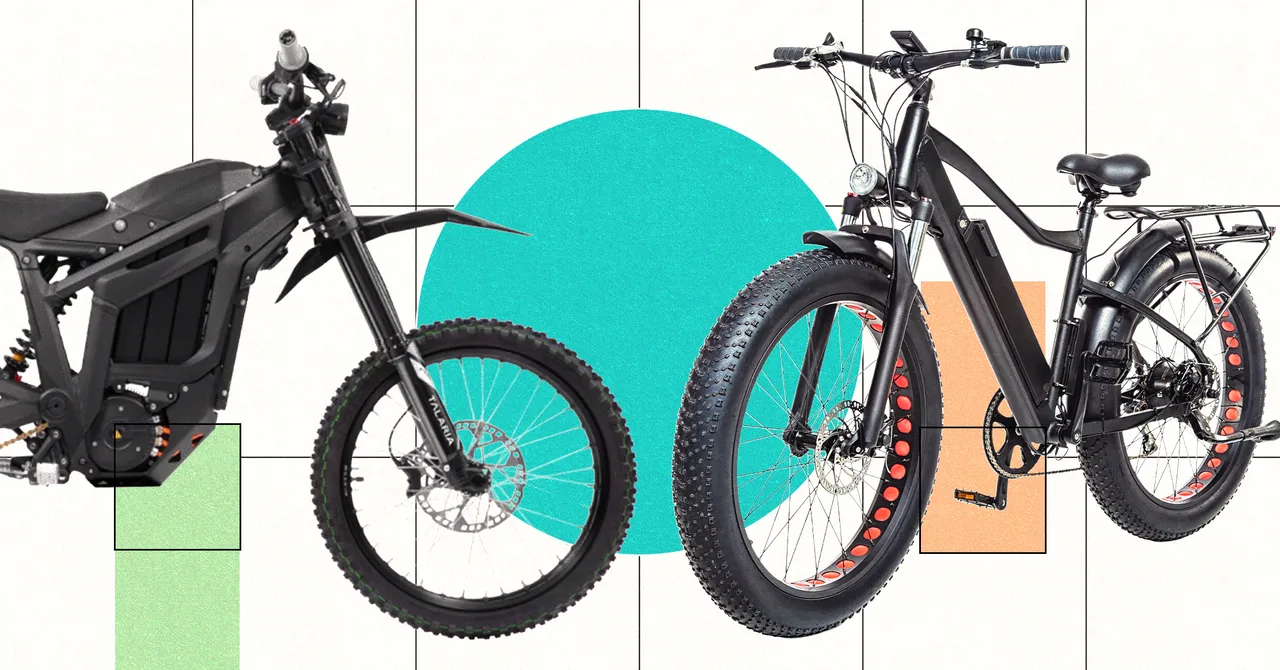
Part of the confusion comes from the difficulty of distinguishing conventional e-bikes from faster electric bicycles and electric motorcycles. In some places, lawmakers and retailers blur the boundaries between these categories, even though riders of the most powerful e-bikes and e-motos may be subject to age, licensing and registration requirements.
For example, a child who sees an online advertisement for an electric dirt bike capable of traveling faster than 40 miles per hour might ask a parent to buy it. Children and other minors may not understand that they cannot legally operate a motorcycle on public roads without a license.
Local laws vary, so buyers should research which electric micromobility vehicles are permitted on local roads before making a purchase.
What the three e-bike classes mean
The e-bike industry generally uses three classes to distinguish product features:
Class 1
Class 1 electric bicycles have a motor that activates when the rider pedals. The motor stops providing assistance when the bicycle reaches 20 miles per hour.
Class 2
Class 2 e-bikes include pedal assist and a throttle. The throttle allows the rider to travel at up to 20 miles per hour without pedaling.
Class 3
Class 3 e-bikes provide more powerful pedal assistance, which stops when the bicycle reaches 40 miles per hour. In some locations, the limit is 25 miles per hour.
Thirty-nine U.S. states have laws based on this three-class system. In general, Class 3 riders must wear a helmet and be at least 16 years old. Some states set the minimum age for e-bike riders at 14 or 15.
Outside of specific e-bike regulations, these vehicles are generally treated like conventional bicycles. Riders must follow the same road rules, although local restrictions may apply.
Licensing and registration requirements
In most states, riders do not need a license or registration to use an e-bike. As of 2026, New Jersey and Alaska are exceptions.
New Jersey requires all e-bikes to be registered and licensed. Class 3 e-bikes must also be insured.
Alaska has no statewide e-bike law. Some local jurisdictions, including Anchorage, require licenses for e-bikes with a sustained output of more than 750 watts. These vehicles can typically reach speeds ranging from 20 to 48 miles per hour.
Because requirements differ by state and municipality, prospective buyers should confirm the applicable age, helmet, licensing, registration and insurance rules before riding.
Source: www.wired.com