


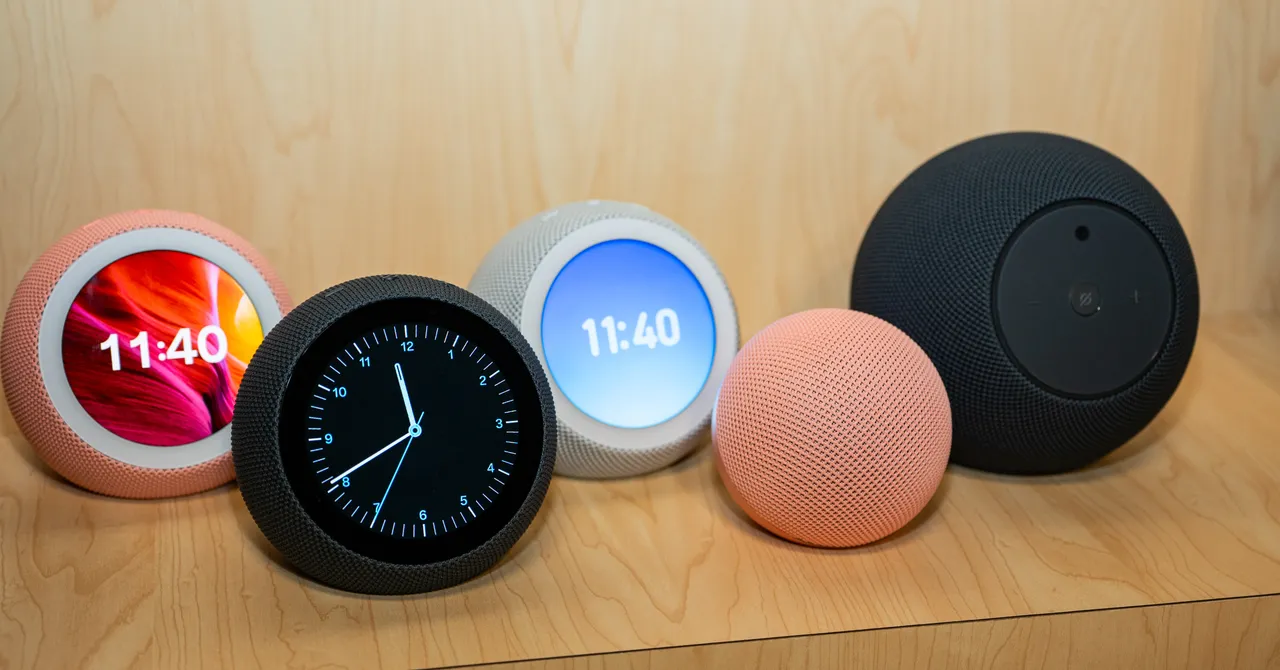
Amazon is expanding its Alexa+ ecosystem with new Echo hardware designed to support more natural, AI-powered interactions. Panos Panay, the company’s senior vice president of devices and Alexa, says hundreds of millions of people now use Alexa+, talking two to three times more, cooking five times more, listening to music three times more often and creating routines twice as often as they did before the AI upgrade.
Announced Wednesday and available to buy now, the lineup includes updated Echo devices and new product categories: the Echo Dot ($100), Echo Studio with home camera ($250), Echo Show 16 ($500), Echo Time ($200) and the first Alexa Photo Frame ($200).
“I don’t think anyone is actually using AI in their homes, and if they are, they’re not doing it very well,” Panay said at a media-only event in New York City. As users have deeper conversations with Alexa+, he said, Amazon needs to offer more premium devices. The company has pursued a similar strategy since introducing more premium Kindle and Alexa tablets in early October.
Amazon raises the price of the Echo Dot
The shift toward premium hardware is especially visible in the Echo Dot. Once a $50 entry-level smart speaker, the new Echo Dot starts at $100. That increase is larger than the price rises Amazon applied to existing devices beginning this summer, although the company attributes the higher price to a shortage of memory.
Amazon says it has sold more than 100 million Echo Dots. In 2026 alone, users spent more than 1 trillion minutes listening to music on the compact spherical speaker.
Improved sound and voice recognition
The new Echo Dot’s main focus is audio. Its full-range driver is reported to provide 50% stronger bass and clearer vocals.
The speaker also adds a fourth beamforming microphone, up from three, and uses Amazon’s AZ3 chip. These upgrades are intended to help Alexa isolate voices in noisy environments and interpret commands more reliably.
Like last year’s Echo Dot Max, the new Dot includes Omnisense. The feature can detect aspects of the user’s environment—for example, recognizing when someone enters the house and turning on the lights.
The Echo Dot supports the Matter smart-home standard and works as a Thread border router, allowing it to serve as a hub for setting up and controlling compatible smart-home devices. Owners of an Eero router can also use the Dot as a Wi-Fi extender.
Source: www.wired.com