


Close Menu
HitechubHitechub
    What's Hot
    Science

    Scientists Reveal Why Poor Sleep May Harm Some Brains More Than Others

    Technology

    UK County Rejects Palantir Amid Growing Scrutiny

    Science

    NASA Experimental Facility

    Important Pages:
    • About Us
    • Privacy Policy
    • Terms & Conditions
    Facebook X (Twitter) Instagram Pinterest
    Facebook X (Twitter) Instagram
    HitechubHitechub
    Friday, November 27
    • Shop
      • Fashion
        • Mens
        • Womens
        • Accessories
          • Handbags
          • Keychain
          • Masks
          • Money clicps
          • Neck Pillow
          • Rings
          • Towels
          • Wallets
        • Jewelry
        • Watches
        • T-shirts
        • Hawaiian shirts
        • Vests
        • Swim trunks
        • Swimsuits
      • Fun
        • Magic cubes
        • Magnifiers
        • Misc
        • Photo books
        • Puzzles
        • Toys
      • Home
        • Cleaning/Care
        • Mailbox covers
        • Mugs
        • Pot Holders
        • Spoon
      • Office and Electronics
        • Chairs
        • Office Supplies
        • IPad cases
        • Laptop stickers
        • Mouse pads
        • Notebooks
        • Pencil bags
        • Pens
        • Phone cases
      • Personalized
      • Pets
      • Sports
        • Cycling
          • Balaclava Mask
          • Bike Bell
          • Bike Computer
          • Bike Fender
          • Bike Grips
          • Bike Kickstand
          • Bike Light
          • Bike Locks
          • Bike Mitts
          • Bike Pumps
          • Bike Repair Stand
          • Bike Seat
          • Bike Trainer
          • Bike Wheels
          • BIKES
            • Folding Bikes
            • Road Bikes
          • Carbon Fiber Bike Products
          • Cycling Mask
          • Kid’ Bike Helmets
          • Inner Tube
          • Motorcycle Bag
          • Nylon Pedals
          • Adult Helmets
          • Photochromic Sunglasses
          • Soft Coolers
          • Suction Cup Bike Rack
          • Tool accessories
          • Winter Cloth
          • Heart Rate Monitor
        • Outdoors/Camping
          • Outdoor Bags
        • Sweatband
    • Technology
      1. AI
      2. Gadgets
      3. View All

      This is the most popular CEO in the world

      Sectors in which “Chat-GPT” is most often used

      Artificial intelligence has begun to “swallow” professions

      The unusual robot conductor of a concert in Seoul

      Here’s how you can tell if your phone is being tapped

      PlayStation 5 becomes a completely silent console and gets more space

      This is the first phone that can be used to park a car

      Best Gaming Laptops 2023: Powerful Portables for PC Games

      Why Is There a Shortage of Elevator and Escalator Mechanics?

      NordVPN Black Friday 2026 Deal: Save 78% on VPN Plans

      OpenAI Warns GPT-6.2 Astra Will Hit Usage Limits 40% Faster After Bug Fix

      Ars Staff Home Offices: From Minimalist to Maximalist Designs

    • Science
      1. Space
      2. Wheels
      3. View All

      Space Perspective: A Journey to the Edge of Space

      5 Fascinating Facts About Space

      Space Exploration: Unveiling the Wonders of the Universe

      Toyota wants to make a new generation battery with a range of up to 1,200 km

      Meet Toyota’s lunar “baby” that could make exploring the Moon easier

      What does a night drive look like with one of the most beautiful cars in the world: the Rolls-Royce Ghost

      Alpha-Gal Syndrome: Why Tick-Bite Red Meat Allergy Is Puzzling Scientists

      How to Overcome Sadness in Academia and Find Balance

      Stephen Colbert-Named Tiny Spider Has a Genome 50% Larger Than the Human Genome

      Oldest Male Killer Whale on Record May Have Been Identified Using Historic Atomic Bomb Test Data

    HitechubHitechub
    Home » Anti-Aging Drugs May Help Protect the Brain Before Alzheimer’s Symptoms Begin
    Science

    Anti-Aging Drugs May Help Protect the Brain Before Alzheimer’s Symptoms Begin

    Share Facebook Twitter Pinterest WhatsApp
    Share
    Facebook Twitter LinkedIn Pinterest WhatsApp

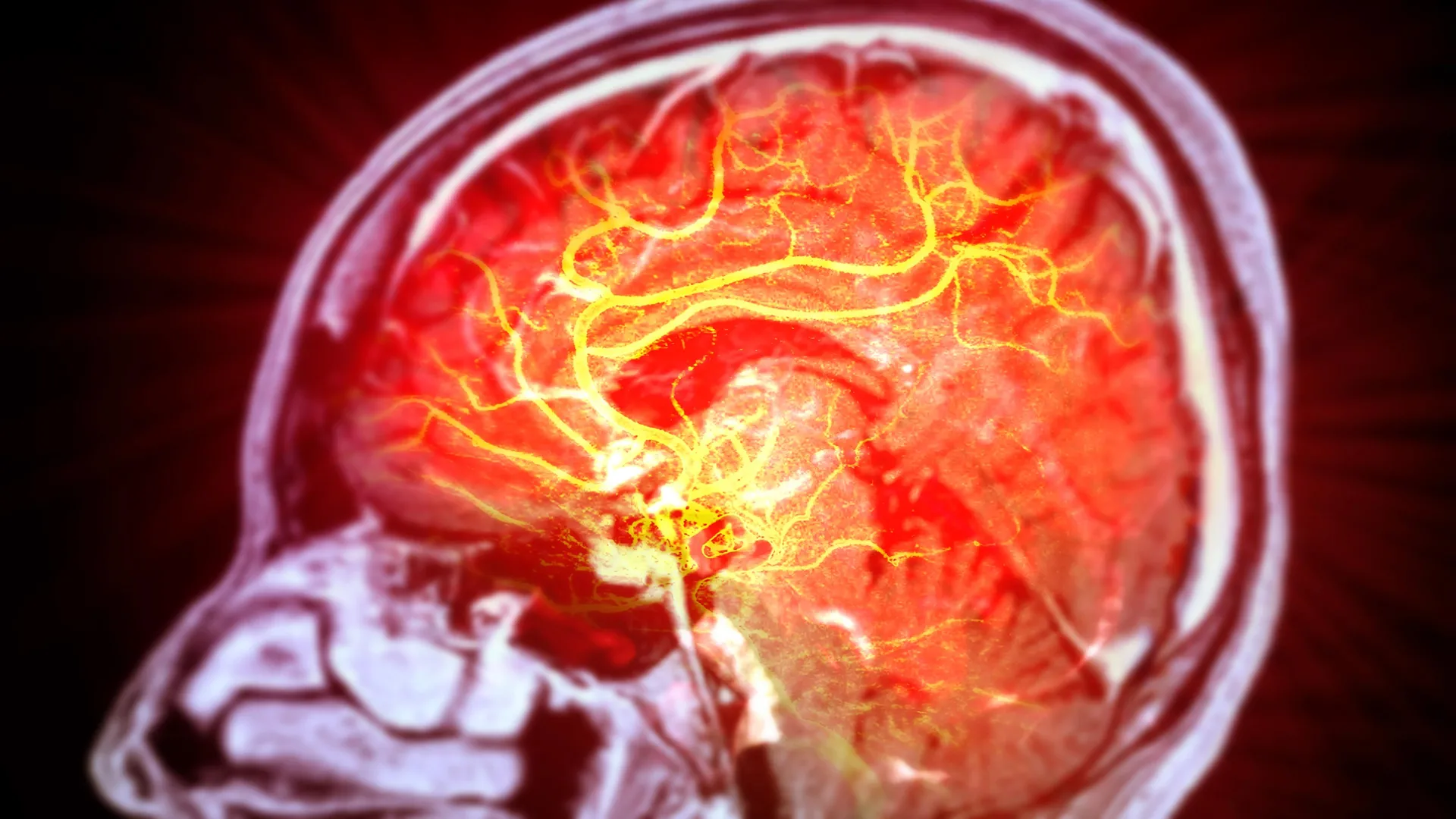
    A drug commonly used to prevent organ-transplant rejection may offer a new way to protect people at elevated genetic risk of Alzheimer’s disease. Researchers at the University of Missouri found that four weeks of low-dose rapamycin improved cerebral blood flow in healthy middle-aged adults who carried the APOE4 gene variant, while a similar effect was not observed in participants without the variant.

    The findings could help researchers develop strategies to address Alzheimer’s risk before memory problems emerge. They also add to the University of Missouri’s research into the causes and potential prevention of common forms of dementia.

    Why cerebral blood flow matters in Alzheimer’s risk

    The study was led by Ai-Ling Lin, a professor of medicine at the University of Missouri and a researcher at the Roy Blunt NextGen Precision Health building. Her work focuses on identifying brain changes that occur before Alzheimer’s symptoms develop and finding ways to intervene early.

    Lin’s research centers on APOE4, a gene variant associated with a significantly increased risk of developing Alzheimer’s disease later in life. People who carry APOE4 may experience reduced blood flow in certain brain regions years before substantial memory loss begins.

    Because these circulatory changes can occur early, researchers believe they may provide warning signs of increased Alzheimer’s risk. Lin’s latest findings suggest that improving cerebral circulation with existing drugs could be one way to address these early changes.

    “Alzheimer’s disease tends to occur more frequently in older people, especially those with APOE4,” Lin says. “If we can slow brain aging in those most at risk, we may be able to reduce their risk of developing Alzheimer’s disease.”

    Rapamycin and brain aging

    Rapamycin is used medically to prevent the immune system from rejecting transplanted organs and to treat certain rare conditions. Researchers are also studying its potential to slow biological aging and protect the brain.

    Before joining the University of Missouri, Lin conducted experiments with mice carrying APOE4. Her previous research found that rapamycin could slow brain aging and increase blood flow in the animals.

    Those results raised the question of whether rapamycin might have a similar effect in people with a genetic predisposition to Alzheimer’s disease who had not developed the disease.

    To investigate, Lin studied healthy adults between the ages of 45 and 65, including participants who carried APOE4 and participants who did not. All participants received a low daily dose of rapamycin for four weeks.

    After treatment, cerebral blood flow had improved in participants carrying APOE4. Researchers did not observe a similar effect in participants without the variant. The result suggests that rapamycin may have particular potential for people who are genetically at higher risk of Alzheimer’s disease.

    However, the study does not establish whether rapamycin can prevent Alzheimer’s disease or preserve memory over the long term. The improvement in circulation provides a direction for future research, but further studies will be needed to determine its significance for brain health.

    Women with APOE4 showed the greatest improvement

    The researchers also examined differences between male and female participants. Women carrying APOE4 experienced the greatest improvement in cerebral blood flow after treatment.

    This finding is notable because women account for nearly two-thirds of people with Alzheimer’s disease.

    “We also found that women with APOE4 had the greatest improvement in cerebral blood flow, which is important given that nearly two-thirds of Alzheimer’s patients are women,” Lin said. “This study is an example of precision medicine, working to identify who can benefit most from this drug.”

    Precision medicine uses individual characteristics, including genetic information, to determine which treatments are most likely to be effective. Rather than assuming that a drug will benefit everyone equally, researchers aim to identify the people most likely to respond.

    From research findings to potential treatment

    Lin, who is also a professor in the University of Missouri’s College of Arts and Sciences, credits Mizzou’s collaborative research environment with helping advance the work.

    Scientists and medical professionals at the Roy Blunt NextGen Precision Health building work together in the same facility. The collaboration is intended to help translate promising clinical test results into human clinical studies more quickly.

    The findings provide an encouraging starting point for investigating whether rapamycin could ultimately delay or reduce Alzheimer’s risk in people who are genetically vulnerable. Further research will be needed to determine whether changes in cerebral blood flow lead to lasting improvements in brain health or reduce the likelihood of developing the disease.

    The study, “Express: Rapamycin increases cerebral blood flow and modulates metabolism, inflammation, and microbiome profiles in healthy middle-aged APOE4 carriers: a pilot single-arm study,” was published in the Journal of Cerebral Blood Flow and Metabolism.

    Source: www.sciencedaily.com

    Share. Facebook Twitter Pinterest LinkedIn WhatsApp
    Previous ArticleAI Stocks Rebound After Trillions Wiped From Market Value
    Next Article How NVIDIA Open-Source Tools Are Advancing Next-Generation 6G Network Research

    Related Posts

    Science

    Alpha-Gal Syndrome: Why Tick-Bite Red Meat Allergy Is Puzzling Scientists

    Science

    How to Overcome Sadness in Academia and Find Balance

    Science

    Stephen Colbert-Named Tiny Spider Has a Genome 50% Larger Than the Human Genome

    Science

    Oldest Male Killer Whale on Record May Have Been Identified Using Historic Atomic Bomb Test Data

    Science

    345-Million-Year-Old Fossil Fooled Scientists for Decades

    Science

    Has AI Cracked Internet Encryption? Rumored Breakthrough Claim Surprises Scientists

    Science

    Indonesian Wildfires Threaten Orangutans and Their Future

    Science

    Hidden Underground Caves in Australia May Reveal Otherworldly Secrets

    Add A Comment
    Leave A Reply Cancel Reply

    Stay In Touch
    • Facebook
    • Twitter
    • Instagram
    • Pinterest
    Top Picks
    Science

    NASA Conducts Latest RS-25 Engine Test for Future Artemis Missions

    NASA tested RS-25 engine No. 10001 on November 18 at the Fred Hayes Test Stand…

    Veradigm Reports Patient Data Breach After Ransomware Attack

    Greta Gerwig Unveils Psychedelic ‘The Magician’s Nephew’ Trailer Featuring David Bowie

    Rethinking Consciousness: Here’s Why We Need a Fresh Perspective

    The World’s Most Unpredictable Cat: Surprising Appearances in Unexpected Places

    Most Popular
    Science

    SpaceX Delivers Mysterious Cargo to the International Space Station

    Science

    Scientists Solve 30-Year-Old Mystery and Uncover Hidden Defense Against Inflammation

    Categories
    • AI (9)
    • Gadgets (6)
    • Science (3,601)
    • Space (3)
    • Technology (3,032)
    • Wheels (3)
    Our Picks
    Science

    Missing Blue Whale in the Galápagos Islands May Be Linked to El Niño, Scientists Say

    Science

    1,700-Year-Old Egyptian Tomb Reveals Ancient Greek Poetry and Protective Spell for the Dead

    © 2026 Hitechub.
    • Home
    • About Us
    • Privacy Policy
    • Terms & Conditions

    Type above and press Enter to search. Press Esc to cancel.

    GDPR Cookie Banner

    We are using cookies to give you the best experience on our website.

    You can find out more about which cookies we are using or switch them off in .

    Ad Blocker Enabled!
    Ad Blocker Enabled!
    Our website is made possible by displaying online advertisements to our visitors. Please support us by disabling your Ad Blocker.