


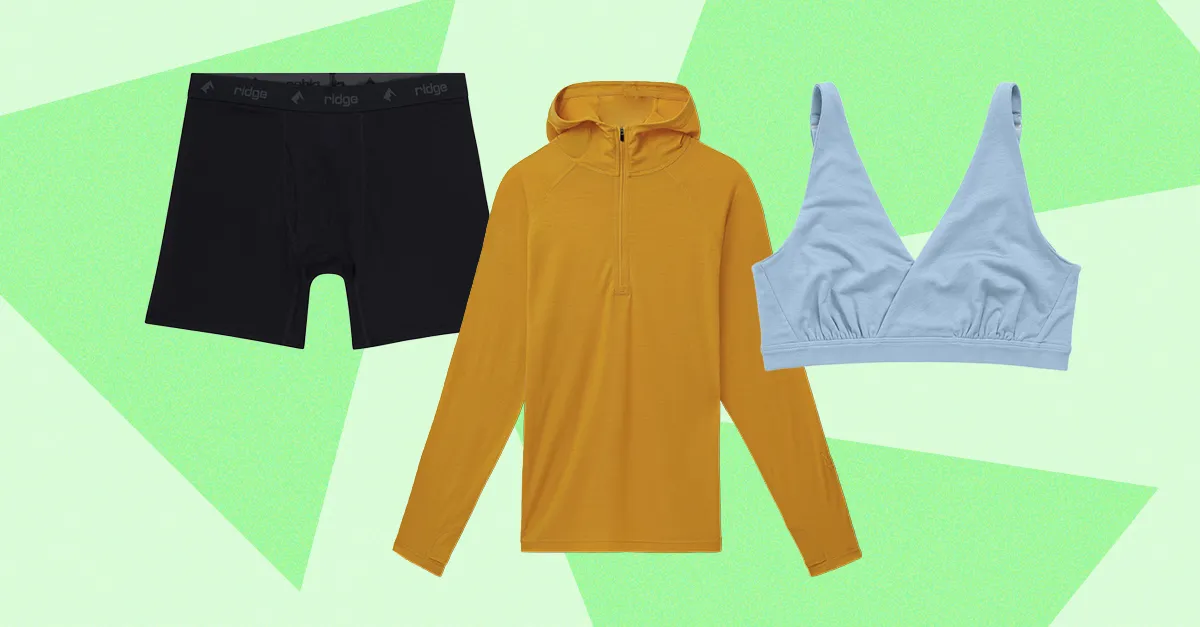
The Best Merino Wool Clothing for Comfort in Any Weather
Merino wool is a versatile natural fiber engineered by nature to help regulate body temperature. The best merino wool clothing keeps you comfortable in hot weather, while merino wool base layers provide dependable warmth in freezing conditions. Unlike petroleum-based synthetic fabrics, merino wool is a renewable material sourced from sheep.
Merino wool clothing is available in a wide range of weights, weaves, and fabric blends. We tested these merino wool shirts, base layers, pants, and other garments over months—and in several cases, years—of regular wear and washing. Most were washed in cold water and air-dried, although we also machine-dried some items to evaluate their durability. For more outdoor clothing recommendations, see our guides to the best merino wool T-shirts, base layers, puffer jackets, hoodies, hiking boots, and more.
Updated August 2026: Added a new section covering merino blend pants and everyday wool clothing. Several sold-out products were replaced with new fall arrivals, and prices and shopping links were updated throughout.
table of contents
Why is merino wool so effective?
Merino wool helps regulate temperature through a process known as thermoregulation. The fine fibers of merino sheep wool are softer and thinner than traditional wool, making them comfortable against the skin. Merino fibers can help retain warmth in cold conditions while remaining breathable in warmer weather.
Merino wool is also naturally resistant to odors, which makes it especially useful for travel, hiking, camping, and everyday layering. One sheep can produce approximately 4 to 5 pounds of wool each year, making the fiber renewable. However, sustainability claims can vary. Look for brands that clearly explain their wool sourcing, chemical use, water management, and recycled or synthetic fiber content.
Merino wool clothing is often labeled by weight using GSM, or grams per square meter. GSM helps indicate how warm and substantial a garment will feel.
Fabrics below 200 GSM are generally lightweight and suitable for T-shirts, underwear, and base layers. Materials between 200 and 300 GSM are typically used for mid layers. Garments above 300 GSM are heavier and warmer, making them useful for cold-weather shirts, sweaters, and expedition layers.
As a general comparison, 120–160 GSM merino wool is similar in warmth to lightweight fleece, 160–200 GSM is comparable to midweight fleece, and 200 GSM or more provides the warmth of heavier fleece. Merino wool can feel warmer in windy conditions because its fibers trap insulating air.
Nuyarn is a merino wool and synthetic fiber construction designed to improve warmth, lightness, and durability. In this type of yarn, merino wool is wrapped around a nylon core. The result combines many of the temperature-regulating benefits of wool with the added strength of nylon.
Nuyarn is particularly useful for technical base layers used during hiking, climbing, running, and other high-output activities. For casual clothing, however, many people may prefer the softness and natural feel of 100 percent merino wool.
How to wash and care for merino wool
Always check the garment label before washing merino wool. In most cases, cold water and a gentle cycle are recommended. Hand washing can extend the life of lightweight 150 GSM T-shirts and base layers. Lay garments flat to dry whenever possible because wet wool can stretch under the weight of water.
Avoid high heat, which can cause wool to shrink, pill, or lose its shape. Some garments are dryer-safe, but this is the exception rather than the rule.
Before long-term storage, wash and completely dry merino clothing. Moths can damage wool fibers, so store garments in an airtight compression bag, cotton bag, or sealed plastic container. Cedar, lavender sachets, and wool-safe moth repellents can also help. Never seal damp clothing, as moisture can lead to mildew and mold.
100 percent merino wool vs. merino blends
The best choice depends on the garment and how you plan to use it. Merino blends often add stretch, strength, and faster drying, making them practical for hiking, climbing, running, and other active pursuits. Pure merino wool is often preferred for soft mid layers, sweaters, jackets, and casual clothing.
Alpaca blends are another soft and warm option. Alpaca is not merino wool, but both fibers are breathable and insulating. Alpaca fibers are often finer than merino and do not contain lanolin, the natural oil produced by sheep. This may make alpaca a better option for people who find traditional wool irritating, although alpaca clothing is typically more expensive.
Merino wool vs. synthetic fibers
Synthetic fabrics such as polyester, nylon, polypropylene, and rayon are usually less expensive than wool. They often wick sweat quickly and dry faster, which can be helpful during intense activity or wet conditions.
Merino wool has a major advantage in odor control. While synthetic fabrics can retain smells after repeated wear, merino wool naturally resists odor and can be worn for multiple days when conditions allow.
Merino is also highly breathable and helps moderate temperature changes. This is useful when hiking from a sunny, exposed slope into a cool, shaded forest. Synthetic fibers may be more durable against abrasion, so a merino blend can be a practical choice for climbing, off-trail hiking, or activities that place heavy stress on clothing.
Best merino wool base layers
A base layer is the garment worn next to your skin, and merino wool is one of the best materials for this purpose. It provides warmth without excessive bulk, manages moisture, remains breathable, and resists odors better than most synthetic fabrics. The right merino base layer can help you stay comfortable during hiking, backpacking, skiing, travel, and everyday winter activities.
best lightweight merino wool base layer
The Ibex Woolies Pro Tech Crew is our favorite lightweight merino wool base layer for technical activities. Its Nuyarn construction combines 85 percent merino wool with 15 percent nylon, adding strength and warmth without making the shirt heavy. The men’s large weighs about 5 ounces.
This shirt works well for hiking, backpacking, running, climbing, and other high-aerobic activities in cool weather. Its durability is a major advantage, especially for people who wear the same base layer frequently. With proper care, the Woolies Pro Tech Crew can remain comfortable and functional for years.
best heavyweight merino wool base layer
Smartwool’s Classic All-Season Merino Long Sleeve is a comfortable midweight option for cooler weather. It uses an 87 percent merino wool blend that balances softness, warmth, and durability. The shirt is roomy enough for layering and has sturdy seams designed to reduce rubbing when worn under a backpack.
Wear it as a standalone shirt during shoulder-season hikes or as part of a winter layering system. Pair it with matching merino wool bottoms for additional warmth on cold-weather adventures.
The Unbound Merino Long-Sleeve Crew has the appearance of a traditional everyday shirt rather than a technical outdoor layer. Made from 100 percent merino wool, it is soft enough to wear directly against the skin and versatile enough for travel, work, and casual use.
The lightweight fabric works well on cool mornings and during shoulder-season weather. It can function as a base layer or as a standalone long-sleeve T-shirt. Avoid machine drying this shirt, since high heat can increase pilling and shrinkage. When cared for properly, it can hold its shape and appearance through years of regular wear.
How to choose the best merino wool clothing
Choose lightweight merino wool under 200 GSM for warm-weather hiking, travel, and everyday layering. Midweight fabrics between 200 and 300 GSM are better for cool conditions, while heavyweight garments above 300 GSM are ideal for freezing temperatures and expedition use.
For high-intensity activities, consider a merino blend with nylon or another durable synthetic fiber. If softness, odor resistance, and everyday versatility are your priorities, a 100 percent merino wool garment may be the better choice.
Source: www.wired.com